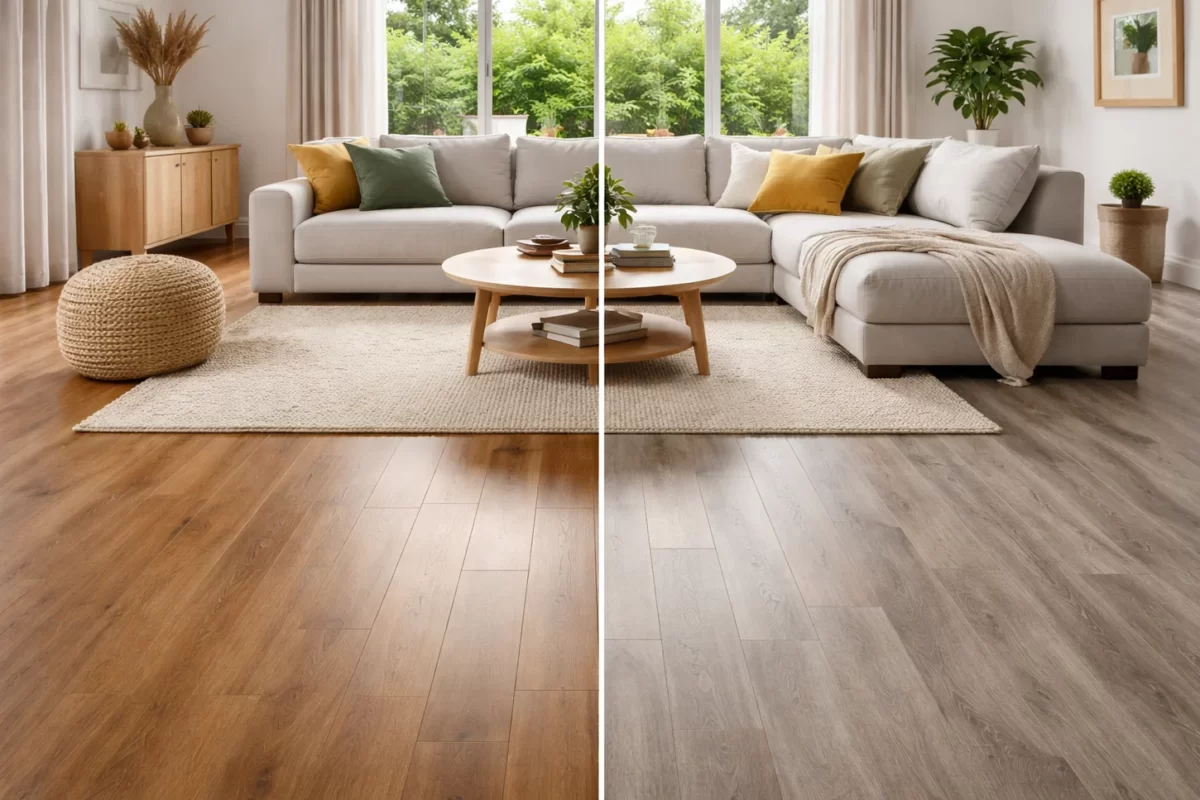

Hybrid flooring has become one of the most popular flooring choices for Australian homes — and it’s easy to see why. It combines the timber-look appeal of hardwood with the practical durability that busy households need. It handles foot traffic, moisture, and everyday mess without requiring the same level of care as traditional timber floors.
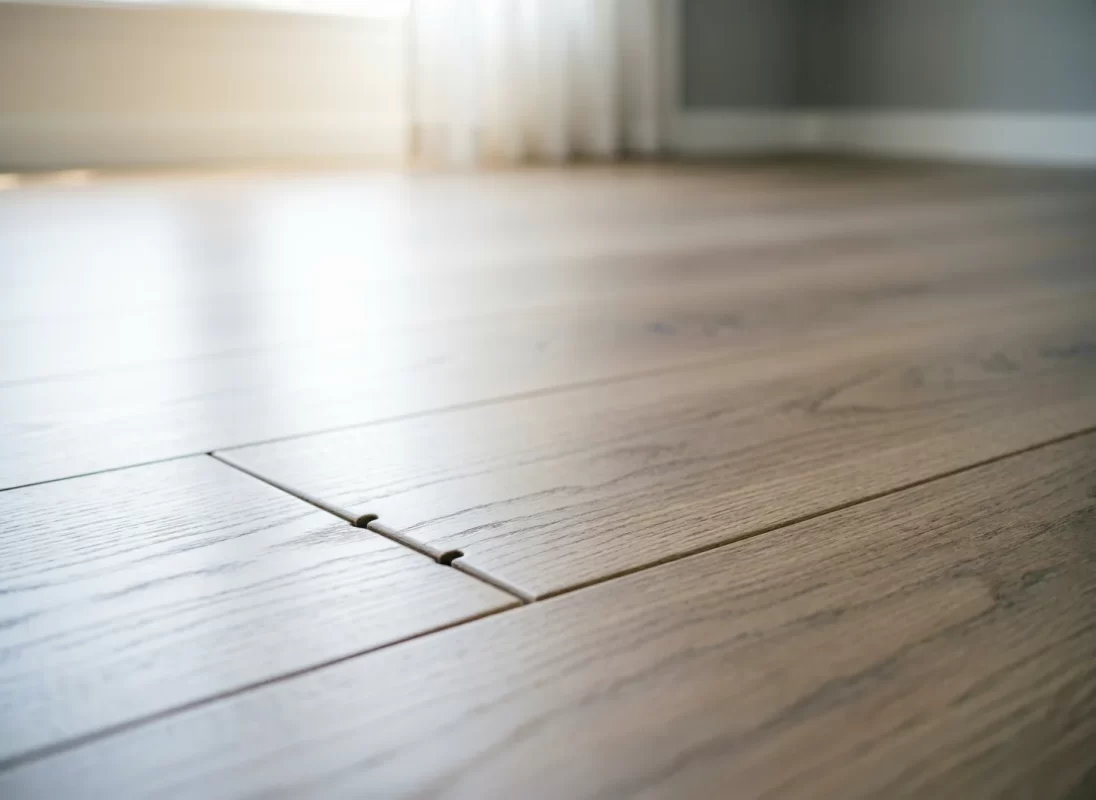
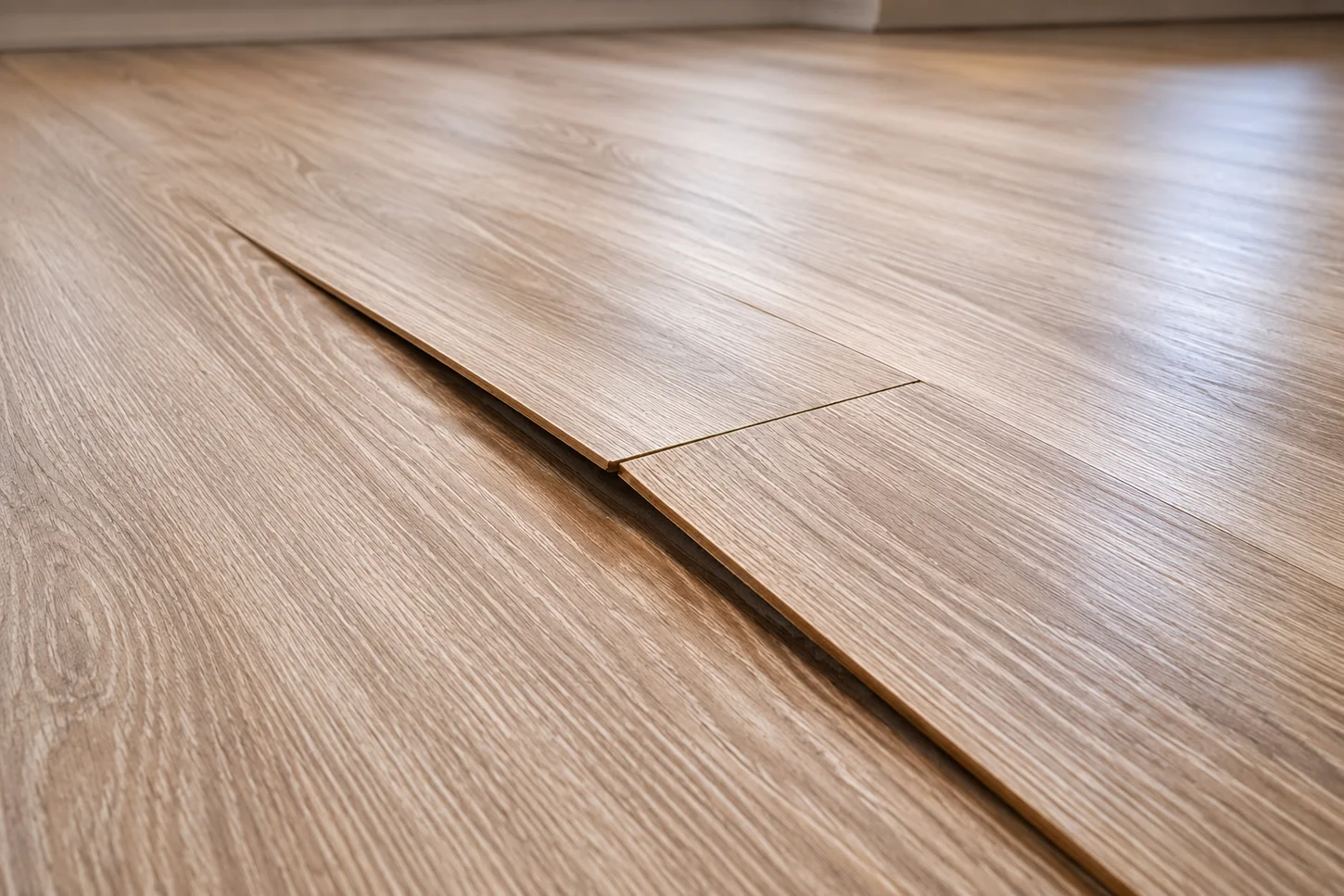
That said, like any flooring system, hybrid floors can run into problems when things aren’t done quite right. Buckling, lifting, or gaps between planks are among the more common issues that homeowners encounter — and in most cases, they come down to installation oversights or environmental factors rather than the product itself.
Understanding what causes these problems is the first step toward avoiding them. Whether you’re planning a new installation or troubleshooting an existing floor, this guide covers everything you need to know.
Award Carpets Gold Coast has been supplying and installing flooring across the Gold Coast for over 30 years, and our team has been working with hybrid flooring since it first hit the Australian market. Here’s what we’ve learned.
What Causes Hybrid Floors to Buckle?
1. Lack of Expansion Gaps Around the Flooring
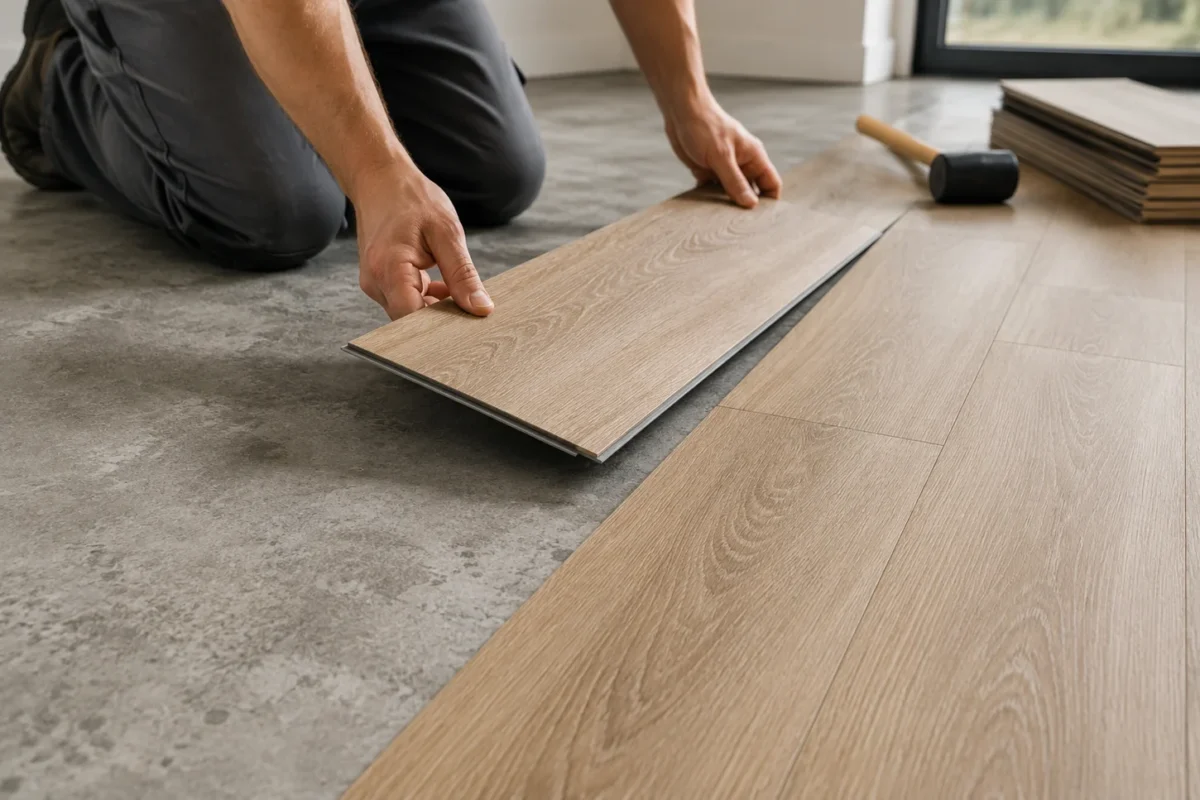
Hybrid flooring is a floating floor system, meaning it’s not fixed directly to the subfloor. Instead, the planks interlock and sit freely on top, which allows the floor to expand and contract naturally as indoor temperatures and humidity change.
The problem starts when that movement has nowhere to go.
When hybrid flooring is installed too tightly against walls, door frames, kitchen cabinets, or other fixed structures, those surfaces act as barriers. As the floor expands — which it will, even slightly — it pushes against those edges and has no choice but to lift or buckle upward.
This is one of the most common causes of hybrid floor buckling, and it’s entirely preventable. Manufacturers specify expansion gap requirements for a reason, and following those specifications during installation is non-negotiable. Skirting boards and transition trims are used to conceal these gaps, so the finished result still looks clean and seamless — but the breathing room underneath is doing important structural work.
2. Poor Subfloor Preparation
The condition of the subfloor underneath your hybrid planks has a significant impact on long-term performance. Hybrid flooring needs a stable, level surface to sit on. When that foundation isn’t right, problems tend to develop over time.
Common subfloor issues include:
- Uneven or undulating surfaces — even minor high or low spots can place stress on the locking joints between planks, causing them to pop or separate
- Dirt and debris — grit left under flooring acts like sandpaper during movement, gradually damaging planks from below
- Moisture in the subfloor — particularly relevant for concrete slabs, where moisture vapour can migrate upward and affect the layers of the hybrid plank
- Cracks or damaged areas — these create instability and uneven support
- Incorrect preparation of concrete floors — concrete often requires levelling compounds, moisture barriers, or drying time before hybrid flooring can be installed on top
Skipping or rushing subfloor preparation to save time or cost is one of the more common installation shortcuts — and one of the more common reasons floors need to be lifted and reinstalled later.
3. Excessive Heat and Direct Sun Exposure
The Gold Coast climate is something most of us love, but it does present some specific challenges for flooring. High temperatures, strong afternoon sun, and coastal humidity fluctuations can all affect how hybrid flooring behaves over time.
Rooms with:
- Large windows or glass sliding doors
- North-facing aspects that receive sustained direct sunlight
- Sunrooms or enclosed patios
- Areas with strong afternoon sun hitting the floor directly
…are more likely to experience heat-related expansion. If adequate expansion gaps weren’t allowed during installation, that expansion has nowhere to go, and the floor can lift.
This doesn’t mean hybrid flooring isn’t suitable for sunny Queensland homes — it generally handles heat well. But it does mean that installation needs to account for local conditions, and that window coverings or UV-blocking film can help manage temperature extremes in particularly exposed rooms.
4. Moisture and Water Exposure
This one catches a lot of homeowners off guard. Many hybrid floors are marketed as waterproof or highly water-resistant — and on the surface, that’s largely true. The planks themselves can handle spills and damp mops without damage.
The issue is that water resistance at the surface level doesn’t make the entire flooring system waterproof. If moisture gets underneath the floor — through a slow leak, a damp subfloor, flooding, or inadequate moisture barriers — it can affect the stability of the flooring layers and the subfloor below.
Specific risks include:
- Water leaks from appliances, plumbing, or roof damage that go undetected for extended periods
- Insufficient or missing moisture barriers between a concrete slab and the flooring
- Damp subfloors that weren’t properly tested or dried before installation
- Flooding events, particularly relevant in low-lying areas
- Excessive moisture trapped underneath due to poor ventilation
Managing moisture at the installation stage — through proper moisture testing, appropriate barriers, and correct product selection — is far easier than dealing with the consequences later.
5. Incorrect Installation Techniques
Even high-quality hybrid flooring can develop problems if it’s installed incorrectly. Installation errors that commonly lead to buckling include:
- Incorrect locking of planks — planks that aren’t fully clicked into place create weak points in the floor that shift over time
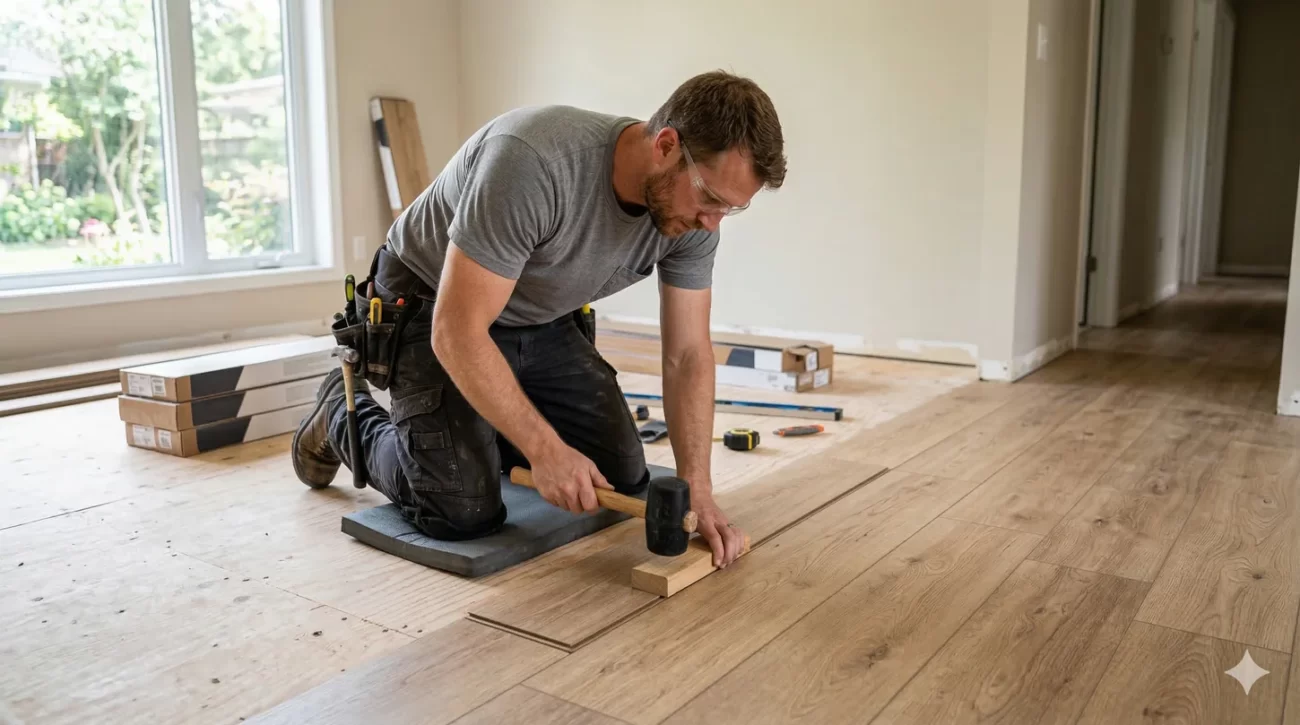
- Damaged click systems — using a hammer directly on planks (rather than a tapping block) can crack or deform the locking profile
- Skipping acclimatisation requirements — installing flooring straight from delivery before it has adjusted to indoor conditions
- Installing over unsuitable surfaces — some subfloor types require specific preparation or underlays before hybrid flooring can go down
- Incorrect placement around doorways and transitions — these areas need particular attention to ensure movement is accounted for on all sides
Professional flooring installation matters here. Experienced installers know the requirements specific to each product and are less likely to cut corners that cause problems down the track.
8 Ways to Prevent Hybrid Flooring from Buckling
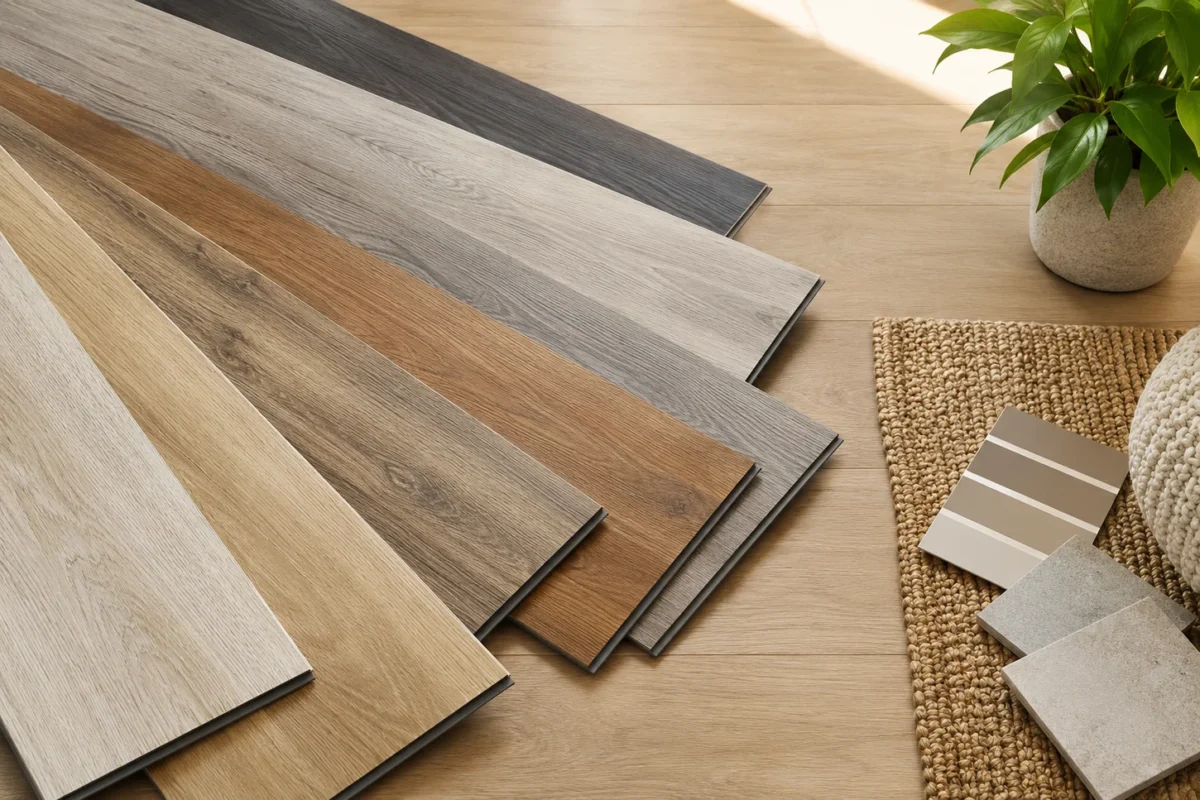
1. Choose Quality Hybrid Flooring Products
Not all hybrid flooring is built the same way, and the quality of the product you start with has a real impact on long-term performance. When comparing options, it’s worth paying attention to:
- Locking system strength — a robust click system holds planks more securely and is more forgiving of minor subfloor imperfections
- Core construction — denser, more rigid cores offer better stability under load and temperature variation
- Wear layer thickness — thicker wear layers (0.5mm and above) offer better durability for high-traffic areas
- Suitability for Australian conditions — products designed with local humidity and temperature ranges in mind tend to perform more consistently
Spending a little more on a quality product often costs less in the long run than repairing or replacing a cheaper floor that hasn’t held up.
2. Prepare the Subfloor Before Installation
Proper subfloor preparation is one of the most important steps in any hybrid flooring installation. Before any planks go down, the subfloor should be:
- Checked for levelness — the floor should be within manufacturer-specified tolerances, typically no more than 3mm variance over 1.8 metres
- Cleaned thoroughly — all dust, debris, adhesive residue, and old flooring material should be removed
- Levelled where needed — low spots can be built up with floor levelling compound; high spots may need grinding back
- Dry and moisture-tested — particularly important for concrete subfloors, where moisture levels should be within the range specified by the flooring manufacturer
This preparation stage takes time, but it creates the stable foundation that allows hybrid flooring to perform as it should.
3. Leave Correct Expansion Gaps
Expansion gaps need to be left around the entire perimeter of the floor — along walls, around door frames, under kick plates, beside kitchen islands, and wherever the flooring meets a fixed structure.
The required gap size varies depending on the product and room dimensions, but most manufacturers specify a minimum expansion gap (typically around 8–10mm, depending on the product). In larger open-plan areas, wider gaps are often recommended. Always follow the specific requirements in your flooring manufacturer’s installation guide, as recommendations can vary between products.
Skirting boards, scotia trims, and transition strips cover these gaps once installation is complete, so there’s no visual downside to allowing the movement space your floor needs.
4. Allow Flooring to Acclimatise Before Installation
Hybrid flooring arrives from a warehouse environment and needs time to adjust to the temperature and humidity conditions of the space it’s going into. Installing immediately after delivery doesn’t give the material a chance to stabilise, which means it may expand or contract after installation rather than before.
The acclimatisation period varies by product and conditions, but most manufacturers recommend leaving flooring in the room for at least 24–48 hours before installation begins. In rooms with significant temperature or humidity differences from the storage environment, longer may be needed.
It’s a simple step that’s easy to overlook when you’re eager to get started — but it makes a meaningful difference.
5. Control Indoor Temperature and Humidity
Once your hybrid floor is installed, maintaining reasonably stable indoor conditions helps preserve it over the long term. On the Gold Coast, this mostly means managing heat and humidity rather than cold.
Practical steps include:
- Keeping air conditioning or fans running during extended heatwaves to moderate indoor temperatures
- Using window coverings during peak sun hours to reduce solar heat gain through glass
- Ensuring adequate ventilation in areas prone to humidity build-up, such as bathrooms and laundries adjacent to floored areas
- Avoiding prolonged exposure to direct heat sources like portable heaters placed directly on the floor
6. Avoid Installing Heavy Fixed Structures on Floating Floors
Because hybrid flooring is a floating system, it needs the freedom to move as a whole. When heavy, permanently fixed structures are installed directly on top of it, that movement becomes restricted.
Common examples include:
- Built-in cabinetry or wardrobes fixed directly to the floor
- Kitchen island benches installed without proper clearance
- Heavy permanent fixtures like wood heaters with fixed hearth surrounds
Where these structures are planned, flooring installation should be coordinated so that the floating floor can continue to move freely around them — typically by leaving the floor out from under fixed cabinetry and tiling those areas instead, or ensuring the fixture is supported by the subfloor rather than the floating surface.
7. Protect Flooring During Renovations
If other trades are working in a space after hybrid flooring has been installed, it’s worth taking steps to protect the surface. Renovation environments introduce a number of risks:
- Water and wet compounds from plastering, painting, or tiling can seep into joints
- Heavy equipment and scaffolding can damage the wear layer or the locking system
- Debris and grit tracked over the floor create surface scratches and can compromise joints
- Protective coverings such as hardboard or construction film should be laid over finished flooring before other trades begin work
It’s far easier to protect a new floor during renovation than to repair damage after the fact.
8. Use Professional Hybrid Flooring Installation
Good installation is the single biggest factor in how well hybrid flooring performs over its lifetime. A professional installer brings the experience to handle subfloor preparation correctly, allow proper expansion gaps, manage tricky transitions, and follow manufacturer requirements — all of which reduce the risk of future problems.
At Award Carpets Gold Coast, our installation team has worked across hundreds of Gold Coast homes and knows what conditions here demand. Whether it’s managing heat and humidity in north-facing rooms or preparing older subfloors in established homes, getting the installation right the first time is always the better investment.
Signs Your Hybrid Flooring May Be Starting to Buckle
Catching a problem early gives you more options. Here are the signs worth paying attention to:
Raised or Uneven Planks
If certain areas of the floor feel higher than others or look visibly raised, it’s a sign that expansion pressure is building somewhere. This might be localised near a wall, doorway, or fixed structure — which can help identify where the gap issue is occurring.
Clicking or Popping Sounds
Unusual clicking, popping, or creaking sounds when walking across the floor often indicate that planks are moving more than they should. This can point to locking joints under stress, subfloor irregularities, or planks that weren’t fully clicked into place during installation.
Visible Gaps Between Boards
As planks move, they can pull apart from one another, leaving visible gaps. This is often a sign of excessive contraction — typically caused by very low humidity or significant temperature drops — and suggests the floor isn’t stabilised within normal indoor conditions.
Soft or Spongy Areas
If certain spots feel soft or spongy underfoot — particularly in areas that have experienced water exposure — it may indicate that moisture has affected the subfloor below. This warrants investigation before the issue progresses further.
Can Buckled Hybrid Flooring Be Repaired?
In some cases, yes — but the repair approach depends entirely on the underlying cause.
Simply pushing planks back down or weighing them while they flatten is rarely a lasting solution. If the cause hasn’t been identified and addressed, the floor will buckle again.
More effective approaches typically involve:
- Identifying the root cause first — whether it’s an expansion gap issue, moisture, subfloor problem, or installation error
- Removing affected planks to access and address the underlying issue
- Correcting expansion gaps if the floor has been installed too tight — this sometimes means lifting and relaying sections to create the correct clearance
- Drying out or treating moisture issues before any flooring goes back down
- Replacing damaged boards if the locking system or wear layer has been compromised beyond use
Because hybrid flooring is a floating system, planks can generally be removed and relaid without destroying them — provided the click system is intact. A flooring professional can assess what’s salvageable and what needs replacing.
How Long Should Hybrid Flooring Last?
Quality hybrid flooring, properly installed and maintained, is typically rated for 20–25 years or more in residential use. Some premium products carry warranties extending to 30 years or beyond.
In practice, lifespan is influenced by several factors:
| Factor | Impact on Longevity |
| Installation quality | Poor installation is the most common cause of premature failure |
| Product quality | Thicker wear layers and denser cores outperform entry-level options |
| Household traffic | High-traffic areas wear faster; entrance zones benefit from mats |
| Maintenance habits | Regular cleaning extends the life of the wear layer |
| Environmental conditions | Extreme heat, humidity swings, or persistent moisture shorten lifespan |
On the Gold Coast, where homes tend to have open indoor-outdoor flow and higher ambient humidity, choosing a product that’s genuinely suited to the local climate is worth the consideration.
Maintenance Tips to Keep Hybrid Floors Looking Their Best
Hybrid flooring is one of the lower-maintenance options on the market, but a few consistent habits make a real difference over time:
- Sweep or vacuum regularly to prevent fine grit from being ground into the wear layer — particularly important in homes near beaches or gardens
- Clean spills promptly with a damp cloth or mop; don’t let standing water sit on joints or edges
- Use pH-neutral, hybrid-flooring-specific cleaners rather than general-purpose floor cleaners, which can leave residue or strip the surface
- Add felt pads under furniture legs to prevent indentation and surface scratching when pieces are moved
- Use mats at entry points to catch sand, grit, and moisture before it reaches the floor
- Avoid steam mops — the heat and moisture combination can compromise the wear layer and introduce moisture into joints
- Keep pet nails trimmed to minimise surface scratching over time
Choose Professional Hybrid Flooring Installation on the Gold Coast
Hybrid flooring is a solid long-term investment — but like any investment, the outcome depends on the decisions made upfront. Choosing the right product, preparing the subfloor correctly, and having the floor installed by someone who knows what they’re doing makes the difference between a floor that performs well for decades and one that causes headaches within the first few years.
Award Carpets Gold Coast has been supplying and installing flooring across the Gold Coast for over 30 years. As an independent, family-run business, we stock a wide range of hybrid flooring options from quality Australian brands, and our team can help you find the right product for your home, lifestyle, and budget.
From helping you choose between plank thickness and wear layer options to managing the full flooring installation process, we keep things straightforward and stress-free.
If you’re planning a new hybrid floor installation or dealing with an existing floor that’s giving you trouble, get in touch with our team for honest advice and a free quote.