
Gold Coast homes have a character all their own, from timber-framed Queenslanders in the older pockets of the region to character cottages tucked behind the high-rise skyline. More homeowners are looking for a way to celebrate that heritage charm while still enjoying the comfort, functionality, and clean lines of contemporary living. That’s exactly what modern heritage interior design sets out to do.
This guide walks through everything you need to know about creating a modern heritage interior, from colour palettes and architectural details to the flooring choices that tie the whole look together. Whether you’re renovating a character home or simply want to bring some heritage warmth into a newer build, there’s a lot of flexibility in how this style comes together.
What Is Modern Heritage Interior Design?
Defining the Modern Heritage Style
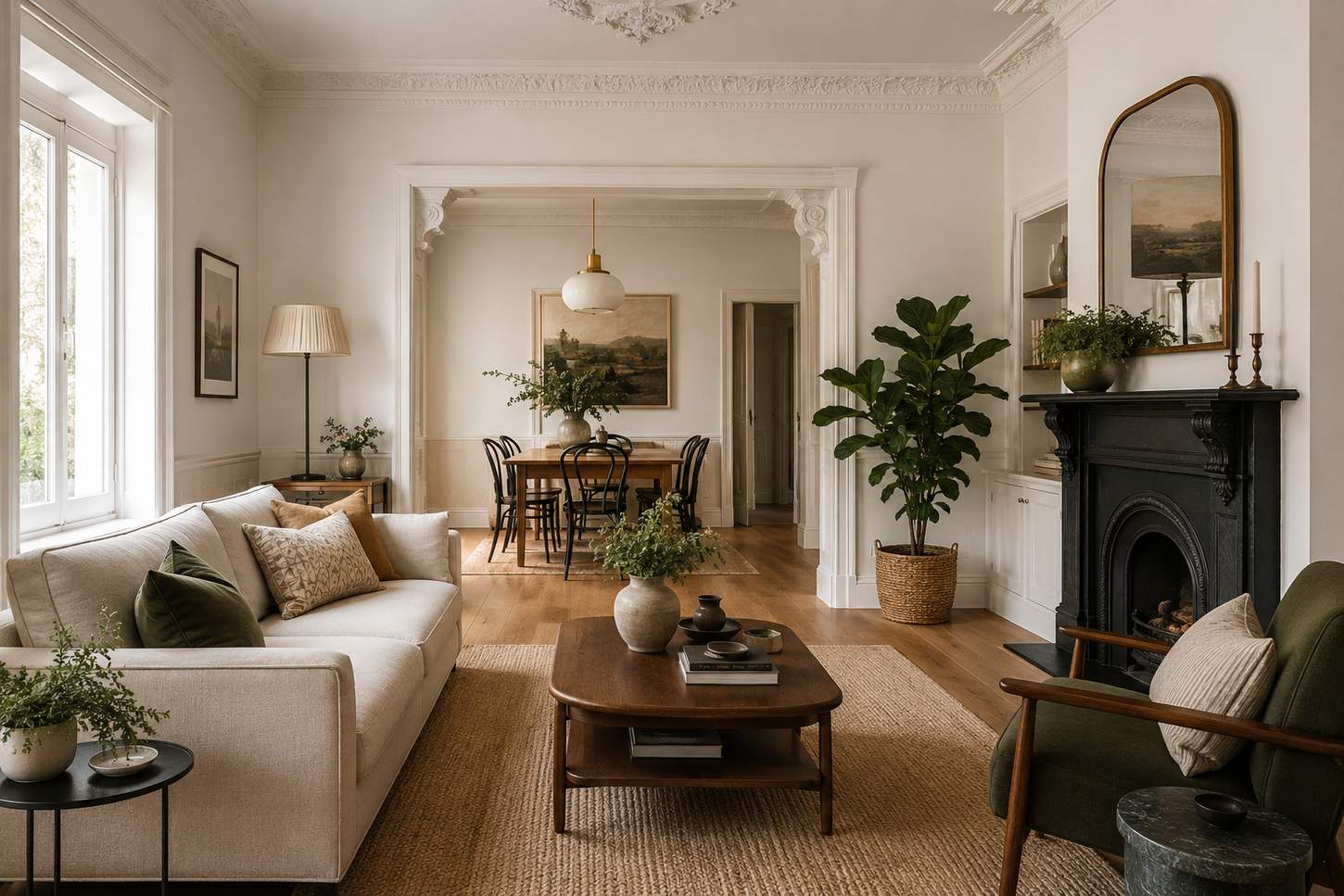
Modern heritage interior design is about pairing the original character of a home, think cornices, timber joinery, and classic proportions, with the practicality and simplicity of contemporary design. It’s less about strict adherence to one era and more about respecting what’s already there while updating it for the way people actually live today.
How It Blends Traditional Character with Contemporary Living
Where a strictly heritage restoration might aim to recreate a specific period exactly, modern heritage design takes a more relaxed approach. Original features are kept and celebrated, but they sit alongside open-plan layouts, updated kitchens, and low-maintenance materials. The result feels lived-in and current rather than like a museum piece.
Why the Style Is Popular in Australian Homes
Australia has no shortage of character housing stock, especially in older suburbs and coastal towns. Modern heritage design has grown in popularity because it lets homeowners retain the resale appeal and personality of an older home without sacrificing the comfort expected of a modern renovation. It’s a practical, flexible style rather than a rigid set of rules.
The Key Characteristics of Modern Heritage Interiors
Preserving Original Architectural Features
Original details like VJ panelling, timber skirting, sash windows, and decorative ceilings are usually the starting point. These features carry the character of the home and are generally worth restoring rather than removing, even if the rest of the interior is updated.
Incorporating Modern Design Elements
Alongside those original details, modern heritage interiors typically bring in simplified furniture silhouettes, updated lighting, and practical finishes such as durable flooring and low-maintenance benchtops. The goal is a home that still functions well for everyday life.
Creating a Timeless and Balanced Aesthetic
Because this style borrows from both old and new, balance matters. A room with too many heritage details can feel heavy, while a room that’s stripped back too far can lose its character altogether. The best modern heritage interiors sit somewhere comfortably in between.
Mixing Old and New with Purpose
Every pairing of old and new should feel intentional. A restored fireplace next to a streamlined sofa, or an antique mirror above a simple floating vanity, works because the contrast is considered rather than accidental. Random mixing tends to read as cluttered.
Choosing a Colour Palette for Modern Heritage Design
Warm Neutrals and Heritage-Inspired Tones
Warm whites, soft creams, and muted greys tend to form the base of a modern heritage palette. These tones let original architectural features stand out without competing for attention, and they read as timeless rather than trend-driven.
Earthy Colours for Depth and Character
Deeper, earthy shades such as olive, terracotta, rust, and clay work well as secondary tones. They nod to traditional colour schemes without feeling dated, and they pair naturally with timber and other natural materials.
Using Contrasting Accents Without Overpowering the Space
A darker accent, whether it’s on a front door, a feature wall, or joinery, can add depth and definition. The key is to use these accents sparingly so they highlight architectural features rather than dominate the room.
Selecting Finishes That Stand the Test of Time
Matte and low-sheen paint finishes tend to suit the softer, lived-in character of modern heritage interiors better than high-gloss options, which can feel more suited to strictly contemporary spaces.
| Colour Role | Suggested Tones | Where to Use |
| Base neutral | Warm white, soft cream, dove grey | Walls, ceilings |
| Secondary earthy tone | Terracotta, olive, clay, rust | Feature walls, textiles |
| Accent | Deep charcoal, forest green, navy | Front doors, cabinetry, trims |
| Natural tone | Timber brown, warm oak | Flooring, furniture, joinery |
Flooring Choices That Complement Modern Heritage Interiors
Why Flooring Is the Foundation of the Design
Flooring covers more visual real estate than almost any other surface in the home, which makes it one of the most important decisions in a modern heritage renovation. The right flooring can echo the character of an older home while still standing up to everyday Gold Coast living, sandy feet, humidity, and all.
Timber Flooring for Authentic Character
Nothing says heritage character quite like timber flooring. Its natural grain and warmth suit the traditional bones of an older home, and it tends to age gracefully rather than looking worn.
Hybrid Flooring for Modern Durability
For homeowners who want the timber look with less maintenance, hybrid flooring is worth considering. It’s built to handle moisture and temperature changes better than solid timber, which makes it a practical option for Gold Coast homes.
Luxury Vinyl Flooring for Style and Practicality
Vinyl flooring has come a long way from its old reputation. Today’s timber-look and stone-look vinyl planks can convincingly echo heritage flooring styles while offering water resistance and easy upkeep, which suits busy households and rental properties alike.
Carpet for Warmth, Comfort, and Elegance
Carpet still has a place in a modern heritage interior, particularly in bedrooms and formal living areas where softness underfoot and a sense of quiet comfort are priorities.
Laminate Flooring as a Cost-Effective Alternative
Laminate flooring offers a budget-friendly way to bring a timber-look aesthetic into a room. It won’t have quite the same durability as hybrid or vinyl in wetter areas, but it’s a reasonable option for lower-traffic spaces.
| Flooring Type | Look & Feel | Durability | Best Suited To |
| Timber | Authentic, warm, natural grain | Moderate, sensitive to moisture | Living areas, hallways |
| Hybrid | Timber-look with modern resilience | High, moisture and temperature resistant | Whole-home use, kitchens |
| Vinyl | Wide style range, soft underfoot | High, water-resistant | Bathrooms, kitchens, high-traffic zones |
| Carpet | Soft, warm, quiet | Moderate | Bedrooms, formal living areas |
| Laminate | Timber-look, budget-friendly | Moderate, less moisture-resistant | Low-traffic secondary rooms |
Selecting the Right Flooring Colour and Finish
Natural Oak and Blackbutt Tones
Lighter timber tones such as natural oak and blackbutt suit the softer, updated end of the modern heritage spectrum. They keep rooms feeling bright and work well when original heritage features are already quite detailed.
Rich Timber Colours for Traditional Appeal
Deeper timber tones, closer to walnut or spotted gum, lean into a more traditional feel and pair nicely with darker joinery or heritage colour schemes.
Matte and Low-Sheen Finishes
A matte or low-sheen finish tends to suit the relaxed, lived-in character of this style far better than a high-gloss finish, which can look out of place against original architectural details.
Coordinating Flooring with Walls and Joinery
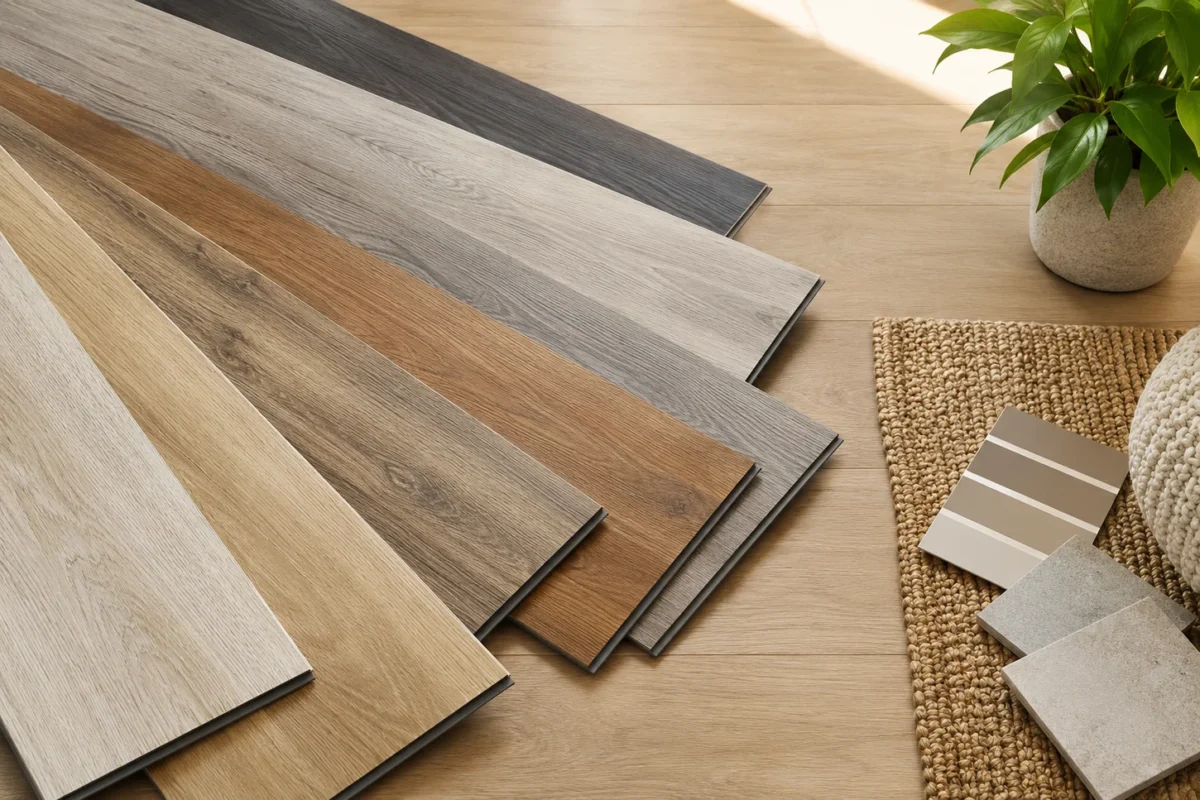
Flooring doesn’t need to match walls and joinery exactly, but it should sit comfortably within the same warm or cool undertone. A quick way to check is to hold sample boards up against paint swatches and existing timber trims before committing.
Designing Each Room in a Modern Heritage Home
Creating an Inviting Entryway
An entryway is a good place to let original details, like a heritage door or archway, take centre stage, paired with simple furniture and practical, durable flooring that can handle daily foot traffic.
Designing Comfortable Living Areas
Living areas benefit from a mix of soft furnishings and structural character, whether that’s an original fireplace, ceiling rose, or timber flooring underfoot.
Blending Heritage Charm into Kitchens
Kitchens tend to be the most heavily updated room in a heritage home, so heritage character is often introduced through Shaker-style cabinetry, traditional hardware, and warm-toned flooring rather than original fixtures.
Adding Warmth to Bedrooms
Bedrooms are a natural place for softer materials, carpet, linen textiles, and warmer lighting, layered against any original architectural details the room still has.
Styling Functional Home Offices
A home office in a modern heritage home works well with practical, durable flooring and simple furniture, letting any original window or joinery details provide the character.
Architectural Features That Define the Style
Decorative Cornices and Ceiling Roses
Cornices and ceiling roses are often the first features worth restoring in a heritage home, as they set the tone for the whole room even after everything else has been updated.
Wall Panelling and Wainscoting
VJ panelling and wainscoting add texture and depth to walls, and they pair well with simplified, contemporary furniture without feeling overdone.
Heritage Doors, Windows, and Archways
Original doors, sash windows, and archways are worth preserving where possible, both for character and because they’re often difficult to replicate exactly with modern equivalents.
Fireplaces and Feature Mantels
Even when a fireplace is no longer functional, the mantel can remain a strong visual anchor in a living room, especially when styled with simple, contemporary décor.
Furniture and Décor That Enhance Modern Heritage Interiors
Mixing Antique and Contemporary Furniture
A single antique or vintage piece, a sideboard, an armchair, a mirror, alongside otherwise contemporary furniture tends to work better than filling a room with period pieces.
Choosing Natural Materials and Textures
Timber, linen, wool, and rattan all suit the tactile, grounded feel of modern heritage interiors far more than glossy or synthetic materials.
Layering Soft Furnishings for Comfort
Cushions, throws, and rugs add warmth and comfort, and they’re an easy, low-cost way to introduce colour and texture without a full renovation.
Styling with Artwork, Mirrors, and Decorative Pieces
Simple, considered artwork and mirrors help fill wall space without competing with existing architectural details like cornices or panelling.
Lighting Ideas for a Modern Heritage Home
Combining Statement and Functional Lighting
A statement pendant or chandelier in a living or dining area adds character, while practical downlights or task lighting keep the space functional day to day.
Selecting Heritage-Inspired Fixtures
Fixtures with brass, bronze, or fluted glass details echo traditional lighting styles without needing to be genuine antiques.
Layering Ambient, Task, and Accent Lighting
A mix of ambient (overall room lighting), task (reading lamps, under-cabinet lighting), and accent (wall sconces, picture lights) creates a warmer, more flexible feel than a single central light.
Maximising Natural Light
Older homes often have generous windows and high ceilings, so keeping window treatments simple helps make the most of the natural light already built into the home.
Bringing Modern Heritage Style into Kitchens and Bathrooms
Shaker Cabinetry and Classic Joinery
Shaker-style cabinetry is one of the easiest ways to bring heritage character into a kitchen or bathroom without needing a full architectural restoration.
Stone and Natural Surface Materials
Stone benchtops and natural-look tiles suit the grounded, tactile feel of modern heritage interiors, particularly when paired with timber-look flooring.
Heritage-Inspired Fixtures with Modern Functionality
Traditional-style tapware and hardware are widely available with modern internals, so you can get the heritage look without sacrificing performance.
Flooring Solutions for High-Moisture Areas
Kitchens and bathrooms need flooring that can handle spills and humidity, which is why vinyl flooring and hybrid options are often better suited to these rooms than solid timber.
Common Modern Heritage Interior Design Mistakes to Avoid
Over-Restoring Original Features
Restoring every original detail to museum standard can make a home feel more like a heritage display than a place to live. It’s usually better to preserve character selectively.
Mixing Too Many Design Styles
Modern heritage design works because it blends two complementary aesthetics. Adding a third or fourth unrelated style into the mix, industrial, coastal, and heritage all at once, tends to create visual confusion.
Choosing Flooring That Feels Too Contemporary
A very cool-toned, high-gloss floor can clash with the warmth of original heritage features. Flooring with a warmer tone and more natural finish generally sits better in these homes.
Ignoring Cohesion Throughout the Home
It’s easy to focus renovation energy on one or two rooms, but a disjointed flow between spaces can undermine the overall look. Keeping flooring, colour palette, and hardware reasonably consistent throughout helps tie the home together.
Tips for Creating a Modern Heritage Interior on Any Budget
Prioritising High-Impact Upgrades
Flooring, lighting, and paint tend to deliver the most visible change for the investment, so they’re a sensible place to start if the budget doesn’t stretch to a full renovation.
Refreshing Spaces with Paint and Decorative Details
A new coat of paint in a heritage-appropriate tone, combined with updated hardware or light fixtures, can shift the feel of a room without major structural work.
Investing in Quality Flooring
Flooring is one of the harder-wearing, longer-lasting elements of a home, so it’s often worth allocating a bigger share of the budget here rather than to furniture that can be updated more easily down the track.
Balancing Budget-Friendly and Premium Finishes
Spending more on flooring and fixed elements while keeping furniture and décor more budget-conscious is a practical way to get a considered, high-quality result without overspending across the board.
Why Quality Flooring Is Essential for Modern Heritage Design
Enhancing Visual Cohesion
Because flooring runs throughout the home, it plays a big part in tying different rooms together, even when other design elements vary from space to space.
Improving Comfort and Everyday Living
Flooring affects how a home feels underfoot every single day, so comfort and practicality matter just as much as appearance.
Increasing Long-Term Value
Well-chosen, durable flooring tends to hold up better over time, which can support a home’s presentation and appeal if it’s ever sold.
Choosing Flooring That Matches Your Lifestyle
Households with kids, pets, or a busy lifestyle usually do better with more resilient options like hybrid or vinyl, while quieter households have more flexibility to choose timber or carpet based on look alone.
Creating a Timeless Modern Heritage Home
Planning a Cohesive Design Scheme
Working from a simple mood board covering colour palette, flooring, and key finishes before starting a renovation helps keep decisions consistent from room to room.
Selecting Materials That Age Beautifully
Natural materials like timber, stone, and quality textiles tend to age with character rather than looking dated, which suits the long-term nature of a heritage home.
Balancing Heritage Character with Modern Comfort
The most successful modern heritage interiors don’t force a choice between character and comfort. They simply give equal weight to both.
Working with Flooring Professionals for the Best Results
Getting flooring right, especially in an older home with uneven subfloors or existing timber to work around, is usually easier with the input of an experienced flooring installation team who can advise on the best product and approach for the space.
Frequently Asked Questions About Modern Heritage Interior Design
Do I Need a Character Home to Use This Style?
Not necessarily. While the look is easiest to achieve in a home with existing period features, elements like colour palette, timber-look flooring, and heritage-inspired lighting can bring the same feel into a newer build.
Which Flooring Works Best Across a Whole Home?
There’s no single right answer, as it depends on the household. Many homeowners choose hybrid or timber-look vinyl for main living areas because of its balance of character and practicality, with carpet reserved for bedrooms.
Is Modern Heritage Design Expensive to Achieve?
It can be scaled to almost any budget. Paint, lighting, and soft furnishings offer a lower-cost entry point, while flooring and structural restoration represent a bigger investment for those renovating more extensively.
Bring Your Modern Heritage Vision to Life with Award Carpets Gold Coast
Getting the flooring right is one of the most important steps in pulling a modern heritage interior together, and it’s an area where local knowledge genuinely helps. Award Carpets Gold Coast has been supplying and installing flooring for Gold Coast homes for over 30 years, so our team has a good sense of what tends to work well in character homes across the region, from older Queenslanders to newer builds with a heritage-inspired brief.
If you’re planning a modern heritage renovation, whether it’s flooring for a single room or a full-home refresh, our team can talk through the options and help you find a floor that suits both the character of your home and the way you actually live in it.
Related Articles: Guide to Neo Deco Interior Design | Guide to Transitional Interior Design | Guide to Scandi Style Interior Design | Guide to Organic Modern Interior Design | Guide to Modern Farmhouse Interior Design