Engineered timber floors bring the beauty of natural wood into your home with added durability and stability—perfect for the Gold Coast’s coastal climate. But like any quality flooring, they need proper care to keep them looking their best for years to come.
Whether you’ve just installed engineered timber or you’re looking to refresh your cleaning routine, this guide will show you exactly how to maintain your engineered timber floors without the guesswork. We’ll cover everything from daily upkeep to long-term care, plus what to avoid to prevent damage.
Let’s dive into the practical steps that will keep your engineered timber floors looking as good as the day they were installed.
What Are Engineered Timber Floors?
Engineered timber flooring is a smart alternative to solid hardwood, combining real wood beauty with enhanced structural stability. Unlike solid timber, which is milled from a single piece of wood, engineered timber uses a layered construction that makes it more resistant to moisture, temperature changes, and warping—ideal for Gold Coast homes where humidity can fluctuate.
How Engineered Timber Flooring Is Constructed
Engineered timber consists of multiple layers bonded together under high pressure:
- Top Layer (Wear Layer): A genuine timber veneer, typically 2–6mm thick, made from species like oak, blackbutt, or spotted gum
- Core Layers: Usually made from plywood or high-density fibreboard (HDF), providing stability and strength
- Base Layer: A backing veneer that balances the board and prevents cupping
This cross-grain construction allows the boards to expand and contract minimally, making them suitable for areas where solid timber might struggle.
Differences Between Engineered Timber and Solid Timber
While both offer the warmth of natural wood, there are key differences:
| Feature | Engineered Timber | Solid Timber |
| Moisture Resistance | Higher due to layered construction | Lower, more prone to warping |
| Installation Options | Can be glued or floated | Usually nailed or glued |
| Refinishing Potential | Limited by veneer thickness | Can be sanded multiple times |
| Cost | Generally more affordable | Higher upfront investment |
| Dimensional Stability | Excellent in varying climates | Requires more stable conditions |
Understanding these differences helps explain why cleaning methods need to be tailored specifically for engineered timber.
Why Proper Cleaning and Maintenance Matter
Taking care of your engineered timber floors isn’t just about keeping them clean—it’s about protecting your investment and ensuring they last for decades.
Protecting the Real Timber Veneer
The top layer of your engineered timber floor is real wood, and it’s what gives your floor its natural beauty. However, this veneer is thinner than solid timber, which means it’s more vulnerable to damage from harsh cleaning methods, excessive moisture, and abrasive materials. Proper cleaning protects this delicate surface from scratches, watermarks, and premature wear.
Extending Floor Lifespan and Appearance
Regular maintenance prevents dirt and grit from acting like sandpaper on your floor’s finish. When debris is allowed to build up, every footstep grinds particles into the surface, dulling the finish and creating micro-scratches. A consistent cleaning routine keeps your floors looking polished and can extend their lifespan by years, delaying or even eliminating the need for costly repairs or replacement.
Daily and Weekly Cleaning for Engineered Timber Floors
Keeping your engineered timber floors in top shape doesn’t require hours of work—just consistent, gentle care.
Sweeping and Vacuuming Best Practices
Daily sweeping or vacuuming is your first line of defense against dirt, dust, and grit:
- Use a soft-bristle broom or a vacuum with a hard floor setting (no beater bar)
- Focus on high-traffic areas like hallways, entryways, and under dining tables
- Remove the sandy feet and beach debris that are common in Gold Coast homes
- Vacuum along baseboards and corners where dust accumulates
- Consider doing this daily in busy households, or at least three to four times per week
The goal is to remove abrasive particles before they get ground into the finish.
Using Microfiber Mops Safely
For weekly cleaning, a microfiber mop is your best friend:
- Choose a flat microfiber mop rather than a traditional string mop
- Use it dry first to pick up fine dust and pet hair
- For damp mopping, spray a small amount of cleaner onto the mop—never directly onto the floor
- Wring out the mop thoroughly so it’s barely damp, not wet
- Work in sections, following the grain of the timber
- Buff dry immediately with a clean microfiber cloth if any moisture remains
Microfiber is gentle enough not to scratch the finish while being effective at trapping dirt.
Choosing pH-Neutral Cleaners
Not all floor cleaners are safe for engineered timber. Stick to pH-neutral products specifically designed for timber or hardwood floors:
- Look for cleaners labeled “pH-neutral” or “timber floor cleaner”
- Avoid multi-surface cleaners that may be too harsh
- Follow the manufacturer’s dilution instructions carefully
- Test any new product in an inconspicuous area first
- Never use ammonia-based, alkaline, or acidic cleaners
The right cleaner removes dirt without stripping the protective finish or leaving a dulling residue.
What to Avoid When Cleaning Engineered Timber
Even with the best intentions, certain cleaning methods can cause serious damage to your engineered timber floors. Here’s what to steer clear of.
Excess Water and Wet Mopping
Water is engineered timber’s biggest enemy. While the layered construction provides some moisture resistance, the timber veneer can still absorb water if it sits on the surface too long:
- Never use a soaking wet mop or pour water directly onto the floor
- Avoid leaving puddles or standing water
- Don’t use overly damp mops—always wring thoroughly
- Clean up spills immediately with a dry or barely damp cloth
- Remember that Gold Coast humidity already adds moisture stress to your floors
Excessive water can seep between planks, cause swelling, cupping, or even delamination of the layers.
Harsh Chemicals and Abrasive Tools
Your floor’s finish is designed to protect the timber beneath, but harsh products can strip it away:
Avoid these cleaners:
- Bleach or ammonia-based products
- Oil soaps and wax-based cleaners
- Vinegar solutions (too acidic)
- All-purpose cleaners not designed for timber
- Furniture polish or wood oil
Avoid these tools:
- Scouring pads or steel wool
- Stiff-bristled brushes
- Rough scrubbing tools
- Abrasive powders or paste cleaners
These can scratch the surface, dull the finish, or leave residue that attracts more dirt.
Steam Mops and Wax-Based Products
Despite their popularity, steam mops are not suitable for engineered timber:
- The heat and moisture combination can damage the finish
- Steam can penetrate seams and cause the layers to separate
- Warranty coverage may be voided if steam cleaning is used
Similarly, wax-based products create buildup that’s difficult to remove and can make your floors look cloudy or streaky. Modern engineered timber has a factory-applied finish that doesn’t require waxing.
Monthly and Occasional Deep Cleaning
While daily and weekly maintenance keeps your floors looking good, occasional deep cleaning tackles built-up grime and restores shine.
When Deep Cleaning Is Necessary
You’ll know it’s time for a deeper clean when:
- Your floors appear dull despite regular sweeping
- You notice a film or residue buildup
- High-traffic areas look noticeably different from the rest of the floor
- It’s been three to six months since your last deep clean
- You’re preparing your home for guests or special occasions
Busy Gold Coast households with kids and pets might need deep cleaning more frequently than quieter homes.
Step-by-Step Damp Mopping Guide
Follow this process for safe, effective deep cleaning:
- Clear the area: Remove furniture, rugs, and obstacles
- Sweep or vacuum thoroughly: Get rid of all loose debris first
- Prepare your solution: Mix pH-neutral timber floor cleaner according to instructions
- Dampen the mop: Dip in cleaning solution and wring out thoroughly—it should be barely damp
- Mop in sections: Work in manageable areas, following the grain of the timber
- Avoid overlap: Don’t go over the same area repeatedly while wet
- Rinse the mop: Frequently rinse your mop head in clean water and wring out
- Check for excess moisture: If you see water sitting on the surface, dry immediately with a clean cloth
The entire process should leave your floors feeling slightly damp at most, not wet.
Drying and Ventilation Tips
Proper drying is crucial after deep cleaning:
- Open windows and doors to improve air circulation
- Use ceiling fans or portable fans to speed drying
- Turn on air conditioning in humid weather to reduce moisture
- Avoid walking on floors until completely dry (usually 15-30 minutes)
- Place clean, dry towels down if you must cross wet areas
- In Gold Coast’s humid climate, extra ventilation is especially important
Never leave your floors damp overnight or in closed-up rooms without air movement.
Preventive Maintenance Tips
The best way to maintain your engineered timber floors is to prevent damage before it happens. These simple strategies will keep your floors looking newer for longer.
Using Felt Pads Under Furniture
Furniture legs can cause serious scratches and dents if left unprotected:
- Attach adhesive felt pads to all furniture legs—chairs, tables, sofas, beds
- Use pads that are appropriately sized for each piece
- Replace felt pads every six to twelve months as they wear down and collect grit
- For heavy furniture, use thick felt pads or furniture coasters
- Check pads regularly to ensure they’re still attached and clean
This simple step prevents 90% of the scratches that occur from moving chairs and everyday furniture use.
Placing Rugs and Entry Mats
Strategic rug placement protects high-traffic areas and traps dirt before it reaches your floors:
- Place doormats at every exterior entrance to catch sand, dirt, and moisture
- Use larger rugs in hallways, under dining tables, and in living areas
- Choose rugs with non-slip, non-staining backing
- Avoid rubber or latex-backed rugs that can discolor timber
- Rotate rugs periodically to ensure even wear and sun exposure
- Lift and clean under rugs every few months
For Gold Coast homes near the beach, entry mats are essential for catching sand before it gets tracked inside.
Managing Indoor Humidity Levels
Engineered timber is more stable than solid timber, but it still responds to humidity changes:
- Maintain indoor humidity between 40–60% year-round
- Use a dehumidifier during Gold Coast’s humid summer months
- Run air conditioning to control both temperature and moisture
- Ensure proper ventilation in bathrooms and kitchens
- Fix any leaks or water damage promptly
- Monitor humidity with an indoor hygrometer
Consistent humidity levels prevent expansion, contraction, and cupping of the planks.
Dealing with Common Problems
Even with careful maintenance, issues can arise. Here’s how to tackle the most common problems without causing further damage.
Light Scratches and Scuff Marks
Minor surface imperfections are normal in any timber floor:
For light scratches:
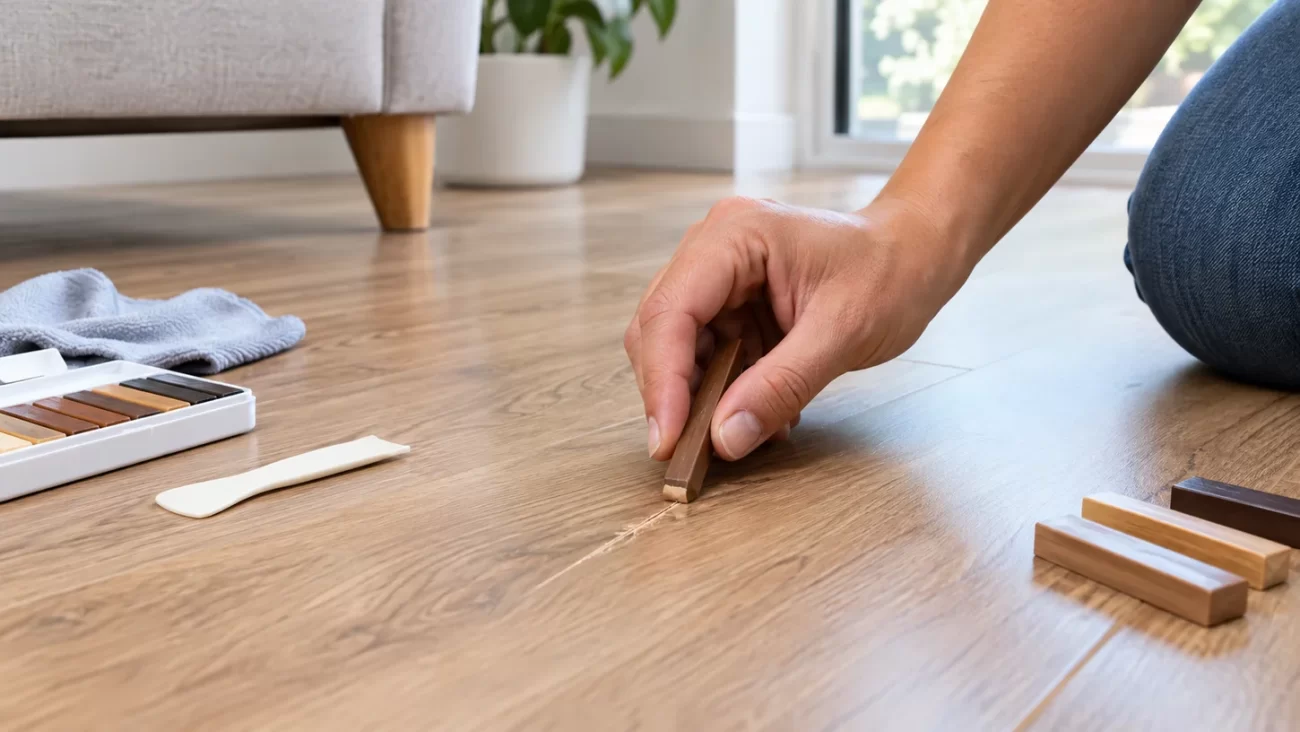
- Rub gently with a soft cloth dampened with timber floor cleaner
- Use a manufacturer-approved touch-up marker or crayon that matches your floor color
- Apply a small amount of timber floor polish to blend the area
- Buff gently with a microfiber cloth
For scuff marks:
- Try a pencil eraser first—it often works on rubber marks
- Use a damp microfiber cloth with a tiny drop of cleaner
- Baking soda on a damp cloth can work for stubborn marks (test first)
- Avoid scrubbing, which can dull the finish
Deep scratches that penetrate the finish may require professional attention.
Spills, Stains, and Water Spots
Quick action is essential when dealing with spills:
Immediate steps:
- Blot spills immediately with a clean, dry cloth—don’t wipe, which spreads the liquid
- For sticky spills, use a barely damp cloth with timber floor cleaner
- Dry the area completely with a clean towel
- Never let any liquid sit on the floor
For water spots:
- Rub gently with a barely damp cloth
- Dry immediately and buff with a dry microfiber cloth
- If spots persist, apply a small amount of timber floor cleaner
- Stubborn rings may indicate finish damage and need professional treatment
For tough stains:
- Rubbing alcohol on a cloth can remove ink or marker
- Mineral spirits may work on oil-based stains (test first in hidden area)
- Never use bleach, harsh solvents, or abrasive cleaners
Sunlight and UV Fading
Timber naturally changes color with exposure to light—it’s a characteristic of real wood, not a defect:
Prevention strategies:
- Use curtains, blinds, or UV-filtering window film on sunny windows
- Rotate area rugs and furniture every few months to ensure even color aging
- Choose lighter timber species that show less color change
- Consider window treatments that allow light while blocking UV rays
- Remember that fading affects all natural timber flooring, not just engineered
While you can’t stop the natural aging process completely, these steps minimize dramatic color differences across your floor.
Long-Term Care for Engineered Timber Floors
Understanding the limitations and long-term needs of engineered timber helps you plan for the future.
Refinishing Limitations of Engineered Timber
Unlike solid timber, engineered floors have limited refinishing potential:
- The wear layer (top veneer) is typically 2–6mm thick
- Most floors can be lightly sanded and refinished 1–2 times at most
- Thicker wear layers (4mm+) allow more refinishing opportunities
- Light buffing or screen-and-recoat can be done more frequently without sanding
- Always consult a professional before attempting refinishing
Proper maintenance extends the time before refinishing is even necessary, often 15–20 years or more.
Knowing When Boards May Need Replacement
Sometimes individual boards need replacement rather than refinishing:
Signs replacement may be needed:
- Deep gouges or chips that expose core layers
- Water damage causing swelling or delamination
- Boards that have cupped or warped significantly
- Wear layer is worn through to the core in spots
- Boards are loose or making noise despite being secured
If you purchased quality engineered timber from a reputable supplier, they may have replacement boards available that match your original flooring.
Choosing Quality Engineered Timber Flooring
The quality of your engineered timber directly impacts how easy it is to maintain and how long it will last.
What to Look for in Wear Layers
The thickness and quality of the wear layer make all the difference:
Wear layer thickness guide:
- 2mm: Budget option, limited refinishing, suitable for low-traffic areas
- 3–4mm: Standard choice, allows 1–2 refinishes, good for most homes
- 5–6mm: Premium option, multiple refinishing opportunities, best longevity
Other quality factors:
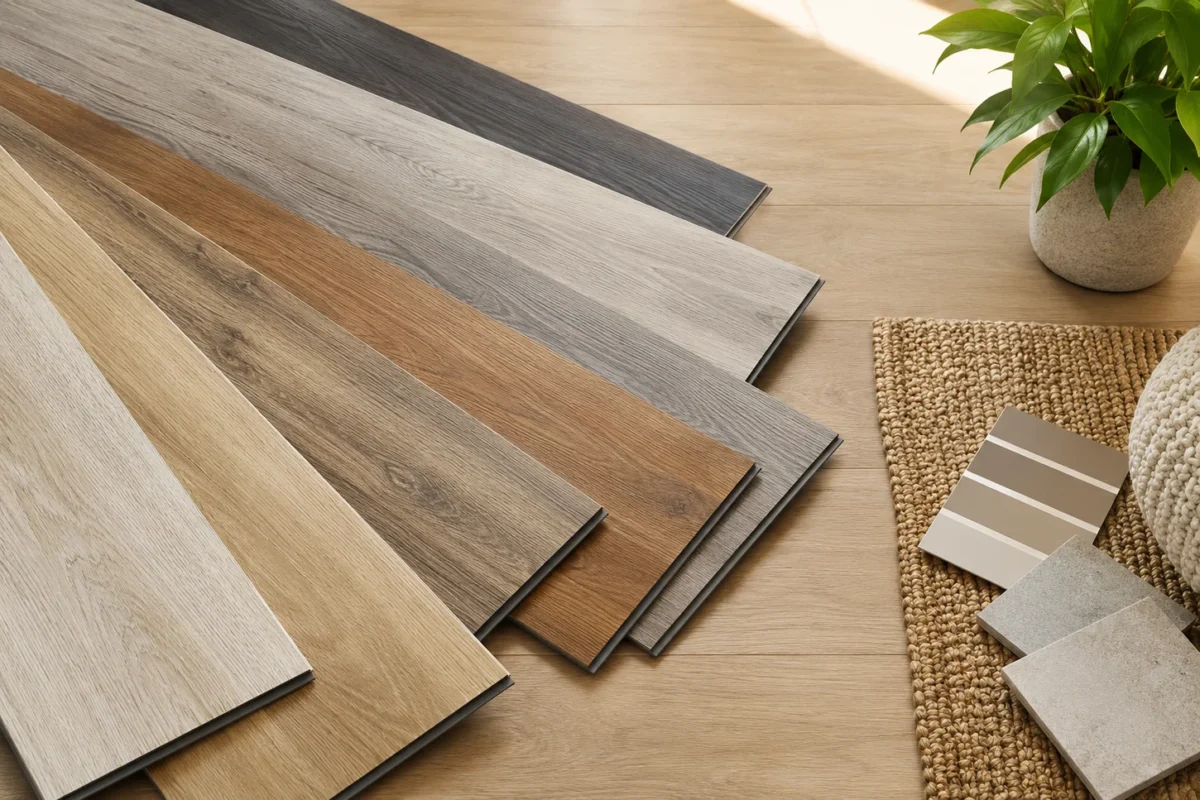
- Hardwood species (oak, spotted gum, and blackbutt are popular and durable)
- Finish type (UV-cured finishes are typically harder and more durable)
- Number of coats of finish applied
- Grade of timber (select grade has fewer knots than rustic)
Investing in thicker wear layers and quality finishes means easier maintenance and longer floor life.
Installation Quality and Its Impact on Maintenance
Even the best engineered timber can perform poorly if not installed correctly:
Why professional installation matters:
- Proper subfloor preparation prevents squeaks and movement
- Correct acclimation prevents buckling and gaps
- Appropriate adhesive or floating method ensures stability
- Expansion gaps allow for natural movement
- Level installation prevents water pooling in low spots
Poor installation can lead to ongoing maintenance headaches like gaps, squeaks, or premature wear. Working with experienced installers who understand Gold Coast’s climate conditions makes a significant difference in your floor’s long-term performance.
Award Carpets Gold Coast: Your Engineered Timber Experts
When it comes to choosing and maintaining engineered timber floors on the Gold Coast, working with experienced local professionals makes all the difference.
At Award Carpets Gold Coast, we’ve been helping families select and care for beautiful timber floors for over 30 years. As an independent, family-run business, we understand the unique challenges of Gold Coast homes—from coastal humidity to sandy feet tracking through your entryway.
Why choose us for your engineered timber needs:
- Expert guidance: We’ll help you select engineered timber with the right wear layer thickness and species for your lifestyle and budget
- Quality brands: We stock leading Australian engineered timber brands and unique boutique options you won’t find elsewhere
- Professional installation: Our experienced team ensures your floors are installed correctly from the start, preventing future maintenance issues
- Local knowledge: We understand Gold Coast’s climate and can recommend flooring solutions that perform well in our coastal conditions
- Ongoing support: We’re here to answer your maintenance questions and provide care advice long after installation
Whether you’re renovating, building new, or considering replacing worn floors, our team can guide you through the process from selection to installation. We offer free quotes and honest advice—no pressure, just practical solutions that fit your home and budget.
Ready to explore engineered timber options?
Visit our showroom to see and feel the difference quality makes, or browse our timber flooring range online. Our team is ready to share more detailed care and maintenance tips specific to the products we stock.
Need professional flooring installation on the Gold Coast? We’ve got you covered from start to finish. Contact us today to book your free consultation and quote.
Engineered timber floors are a smart investment for Gold Coast homes—combining natural beauty with practical durability. With the right cleaning routine and preventive care, your floors will continue to look stunning and perform beautifully for decades to come.
Remember, consistency is key. Daily sweeping, gentle weekly mopping with pH-neutral cleaners, and simple preventive measures like felt pads and entry mats will do more to preserve your floors than any deep cleaning or refinishing ever could.
Take care of your engineered timber, and it will take care of you—providing a warm, natural foundation for your home that improves with age rather than showing its years.