

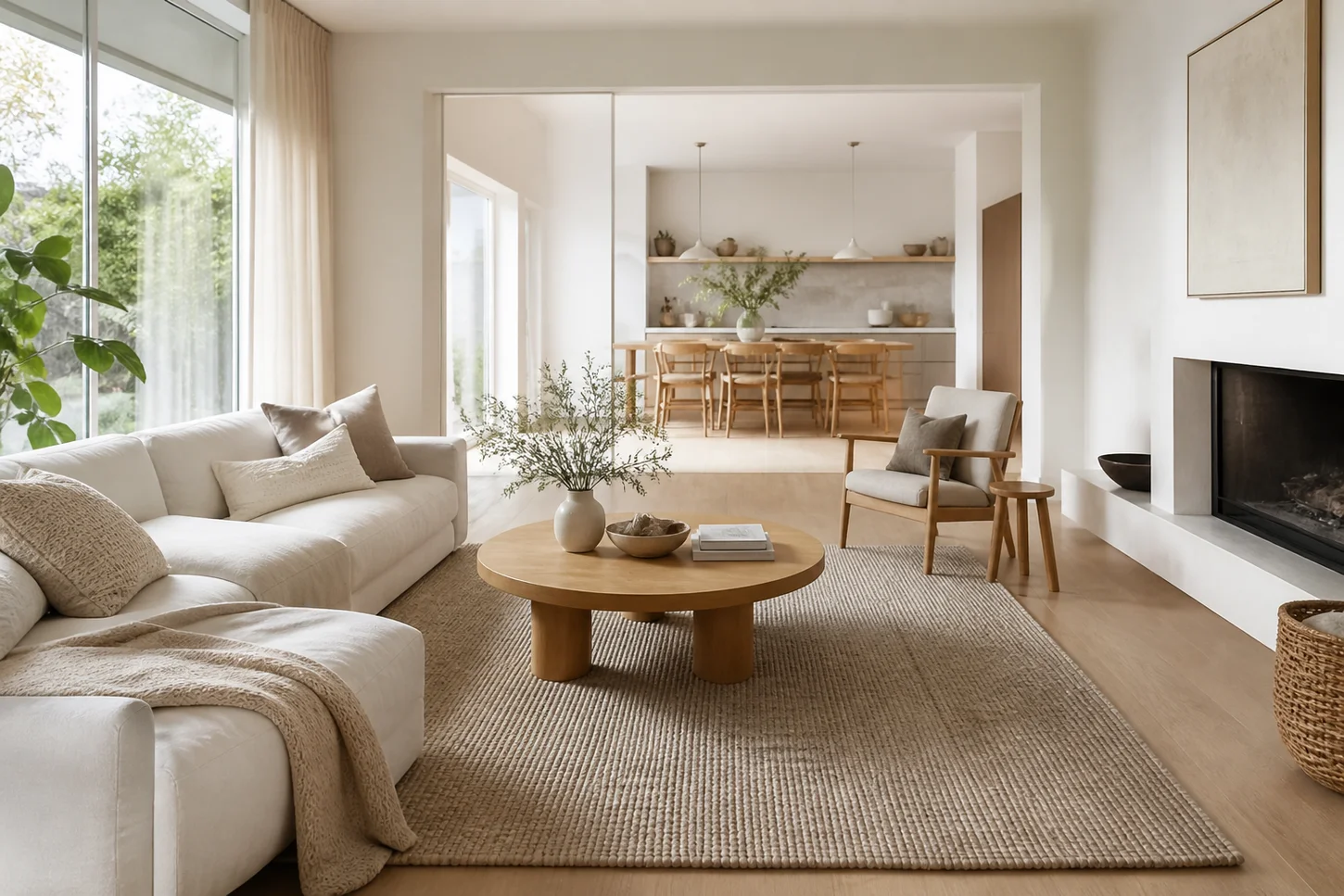

If you’ve ever scrolled through interior design inspiration and felt drawn to those light, airy spaces that somehow feel both minimal and cozy at the same time, you’ve probably stumbled across Scandi style. Scandinavian interior design has taken the world by storm, and for good reason—it’s timeless, functional, and surprisingly adaptable to Australian homes.
Whether you’re renovating your Gold Coast home or simply refreshing a few rooms, Scandi style offers a blueprint for creating spaces that are calm, practical, and effortlessly stylish. At Award Carpets Gold Coast, we’ve helped countless locals achieve this look through smart flooring choices that form the foundation of the aesthetic.
Let’s explore what makes Scandi style so special and how you can bring it into your own home.
Scandi Style Interior Design
What is Scandinavian (Scandi) interior design?
Scandinavian interior design is a minimalist, functional approach to decorating that originated in the Nordic countries of Sweden, Denmark, and Norway during the early 20th century. It emerged from the need to maximise light and warmth during long, dark winters while maintaining simplicity and practicality.
Today, Scandi style remains one of the most popular interior design trends globally. Its appeal lies in its ability to create spaces that are both beautiful and liveable—homes that don’t just look good in photos but actually feel good to live in.
For Australian homes, particularly on the Gold Coast, Scandi style is a natural fit. Our climate benefits from light, airy interiors that stay cool and inviting, while the emphasis on natural materials and indoor-outdoor flow aligns perfectly with the coastal lifestyle.
What Defines Scandi Style? Core Principles
Understanding the philosophy behind Scandi design helps you make intentional choices when styling your home. Here are the core principles that define this aesthetic.
Simplicity and Minimalism
At its heart, Scandi design follows a “less is more” philosophy. This doesn’t mean stripping your home bare, but rather being thoughtful about what you keep and display. Every item should earn its place through purpose or beauty—ideally both.
Decluttered interiors with clean lines and open spaces create visual calm. By removing excess, you allow the pieces you love to shine and give your mind room to breathe.
Functionality Meets Beauty
In Scandinavian design, there’s no distinction between practical and pretty. Every item, from furniture to lighting to storage, needs to be functional while also contributing to the overall aesthetic. This means choosing pieces that work hard but look effortless.
Practical furniture with aesthetic appeal is ideal for modern living. A dining table isn’t just somewhere to eat—it’s a gathering place, a workspace, and a design statement. This dual-purpose approach makes Scandi style particularly suited to smaller homes or open-plan layouts.
Connection to Nature
Nature-inspired materials and textures are central to creating organic, calming environments. Timber, stone, linen, wool, and leather bring the outdoors in, grounding spaces with warmth and authenticity.
This connection to nature isn’t just visual—it’s tactile and emotional. Natural materials age beautifully, develop character over time, and create a sense of wellbeing that synthetic alternatives can’t replicate.
Hygge – The Feeling of Comfort
“Hygge” (pronounced hoo-gah) is a Danish concept that roughly translates to coziness, contentment, and wellbeing. In design terms, hygge is about creating warmth and intimacy through soft textures, layered lighting, and thoughtful details.
It’s the feeling of curling up on the sofa with a soft throw and a cup of tea on a rainy afternoon. Hygge prevents Scandi interiors from feeling cold or sterile—it’s what makes minimalism feel inviting.
Key Elements of Scandinavian Interior Design
Now that we understand the philosophy, let’s look at the practical elements that bring Scandi style to life.
Neutral Colour Palette
Scandi interiors are built on a foundation of whites, soft greys, beige, and other muted tones. These colours enhance brightness, make rooms feel larger, and create a serene backdrop that never feels overwhelming.
While all-white rooms are iconic in Scandinavian design, the palette can include warmer neutrals like creams, taupes, and greiges—especially in Australian homes where pure white can feel stark under our strong sunlight.
Natural Materials
Timber is king in Scandi design, with oak, pine, and birch being popular choices. Timber brings warmth, texture, and visual interest to neutral colour schemes. Beyond wood, natural textiles like linen, wool, and cotton add softness, while stone and leather accents provide contrast and depth.
These materials work together to create layered, tactile spaces that feel grounded and authentic.
Clean Lines and Simple Forms
Scandinavian furniture is characterised by streamlined silhouettes and minimal ornamentation. There are no fussy details, elaborate carvings, or heavy embellishments—just honest, well-crafted pieces that let the materials speak for themselves.
This simplicity doesn’t mean boring. Clean lines create visual harmony and make spaces feel ordered and intentional.
Maximising Natural Light
Large windows with minimal coverings are a hallmark of Nordic design, born from the need to capture every bit of precious daylight during winter months. Reflective surfaces, mirrors, and light-coloured flooring help bounce light around rooms, maximising brightness.
On the Gold Coast, where we’re blessed with abundant sunshine, this principle means embracing our natural light rather than blocking it out—using sheer curtains or blinds only when privacy is needed.
Warm Textures and Soft Furnishings
To prevent minimalist spaces from feeling cold, Scandi design layers in warm textures through rugs, throws, cushions, and textiles. These soft furnishings add depth, comfort, and personality while maintaining the overall simplicity.
Texture is what makes a Scandi room feel lived-in rather than staged. It’s the difference between a beautiful showroom and a home you actually want to spend time in.
Flooring in Scandi Style Interiors
Flooring might not be the first thing you think about when imagining your dream interior, but in Scandi design, it’s absolutely foundational.
Why Flooring Matters in Scandi Design
Your flooring is the literal foundation of your aesthetic. It sets the tone for every other design decision, influences how light moves through your space, and plays a huge role in creating warmth and visual cohesion.
The right flooring enhances the airy, light-filled feel that defines Scandinavian interiors. The wrong flooring can throw off the entire look.
Best Flooring Options for Scandi Homes
Light timber flooring is the classic choice. Oak and ash are particularly popular for their pale, neutral tones and beautiful grain patterns. Timber adds natural warmth while keeping spaces feeling open and bright.
Engineered timber offers the look of solid wood with added durability and stability—perfect for Gold Coast homes where humidity can be a factor. It’s also more budget-friendly while still delivering that authentic timber aesthetic.
Hybrid flooring and vinyl are excellent modern alternatives that offer water resistance, scratch resistance, and easy maintenance. Today’s timber-look vinyl planks are virtually indistinguishable from the real thing, making them ideal for busy households or high-traffic areas.
The Role of Carpets in Scandinavian Interiors
While timber dominates in Scandi design, carpet plays an important supporting role in creating hygge. Soft, neutral-toned carpets add warmth and comfort, particularly in bedrooms and living spaces.
Textured loop or plush carpets enhance that cozy, inviting feel that balances out minimalism. They’re soft underfoot, help with acoustics, and make rooms feel more intimate.
Choosing the Right Carpet Colours and Textures
For Scandi-style carpet, stick to cream, beige, and light grey palettes. Avoid overly dark colours or busy patterns that can visually fragment your space and disrupt the calm aesthetic.
Subtle textures work better than bold prints. Think gentle loops, soft plush, or fine weaves that add interest without demanding attention.
Practical Flooring Tips for Australian Homes
While Scandinavian design was born in cold climates, we need to adapt it for Gold Coast conditions. Heat considerations matter here—light-coloured flooring helps reflect rather than absorb heat, keeping homes cooler.
Durability and easy-to-clean solutions are essential, especially with sandy feet from the beach and higher humidity levels. Water-resistant options like hybrid or vinyl flooring make practical sense for coastal living.
Scandi Style Room-by-Room Guide
Let’s break down how to apply Scandi principles throughout your home.
Living Room
Your living room is the heart of Scandi style. Start with a neutral sofa in linen or light-toned fabric, paired with simple wooden furniture—think coffee tables with clean lines and minimal storage units.
Layer in textiles through cushions, throws, and rugs for comfort and visual warmth. Soft, ambient lighting from floor lamps or pendants creates a welcoming atmosphere. For flooring, light timber or hybrid flooring works beautifully, with the option to add a textured area rug for definition and coziness.
Bedroom
Bedrooms should be calm, clutter-free sanctuaries. Keep furniture minimal—a simple bed frame, streamlined bedside tables, and built-in or under-bed storage to keep surfaces clear.
Soft carpet in neutral tones creates a cozy, quiet foundation, while quality bedding in natural fibres like linen or cotton adds luxury. Layered lighting with bedside lamps and perhaps a statement pendant creates flexibility for different moods.
Kitchen
Kitchens in Scandi style feature white or light-toned cabinetry with simple hardware, balanced by timber accents on benchtops, shelving, or flooring. Functional layouts prioritise workflow and storage without sacrificing aesthetics.
Open shelving can work well if you’re organised and keep items minimal. For flooring, water-resistant options like vinyl or engineered timber handle spills and splashes while maintaining the aesthetic.
Bathroom
Minimal fixtures in white or matte black, combined with natural finishes like timber vanities or stone tiles, create a clean, spa-like feel. Keep surfaces clear of clutter, use wall-mounted storage, and incorporate plants for a fresh, organic touch.
Simple mirrors, understated lighting, and quality towels in neutral tones complete the look.
Home Office
A home office in Scandi style is functional and distraction-free. Light colours and natural light boost productivity and mood, while simple timber desks and ergonomic seating keep the space practical.
Minimal desk accessories, hidden cable management, and strategic storage prevent visual clutter. If your office is in a quieter part of the house, carpet can help with acoustics and comfort underfoot.
Scandi Style Furniture Guide
The right furniture makes or breaks your Scandi interior. Here’s what to look for.
Characteristics of Scandi Furniture
Scandinavian furniture features simple silhouettes with raised legs that create an airy feel—nothing heavy or grounded. Pieces are often crafted from light-toned timber with visible grain and minimal finish.
Functionality is built-in through clever storage, multi-purpose designs, and ergonomic consideration. Think furniture that’s beautiful to look at but even better to use.
Must-Have Furniture Pieces
A wooden dining table is the anchor of a Scandi dining space—ideally in pale oak or ash with clean lines. Minimalist sofas with low profiles and simple frames work well, particularly in neutral fabrics that won’t date.
Functional storage units like credenzas, open shelving, or modular systems help maintain the clutter-free aesthetic while providing necessary storage.
Balancing Form and Function
Investing in quality pieces rather than filling your home with cheap furniture is central to Scandi philosophy. Better to have fewer, well-made items than a house full of disposable pieces.
Avoid over-decoration—let your furniture speak for itself without drowning it in accessories or styling.
Lighting in Scandinavian Interiors
Lighting is absolutely critical in Scandi design, and it’s where many people get it wrong.
Importance of Lighting in Nordic Design
In Nordic countries, lighting compensates for long, dark winters by creating warmth and ambience. Even though Gold Coast homes have abundant natural light, the principles of layered, thoughtful lighting still apply.
Good lighting can make or break the hygge factor in your home.
Types of Lighting to Use
Layer your lighting using a combination of ambient (overall room lighting), task (focused light for activities), and accent (decorative or atmospheric) sources.
Pendant lights over dining tables or kitchen islands, floor lamps in living areas, and candles scattered throughout create depth and flexibility. Multiple light sources at different heights create visual interest and allow you to adjust the mood.
Creating a Warm Ambience
Use soft, warm-toned bulbs rather than harsh cool whites. Avoid relying solely on overhead lighting, which can feel clinical and uninviting.
Dimmers give you control over intensity, while candles add instant hygge. On the Gold Coast, where evenings stay warm, outdoor string lights or lanterns extend this ambience to alfresco areas.
How to Add Personality to Scandi Interiors
Minimalism doesn’t mean your home should feel generic. Here’s how to make it yours.
Minimal Decor with Maximum Impact
Choose statement pieces over clutter. One beautiful ceramic vase, a striking piece of pottery, or a well-chosen sculpture has more impact than a shelf full of knick-knacks.
Quality over quantity applies to decor as much as furniture.
Incorporating Plants and Greenery
Plants bring life, freshness, and a connection to nature indoors. Fiddle leaf figs, rubber plants, and monsteras are popular choices, as are smaller succulents and herbs.
Group plants at different heights, use simple ceramic or terracotta pots, and don’t overdo it—even plants can contribute to visual clutter if you’re not careful.
Art and Wall Styling
Simple, nature-inspired artwork in black and white or muted tones works beautifully. Abstract prints, botanical illustrations, or minimalist photography are all good choices.
Gallery walls can work if you maintain restraint—stick to consistent frames and leave breathing room between pieces rather than cramming the wall full.
Common Mistakes to Avoid
Even with the best intentions, it’s easy to miss the mark. Here are pitfalls to watch out for.
Over-Minimalising the Space
Stripping your home down to the bare essentials can result in cold, empty interiors that feel more like a hotel than a home. The goal is intentional simplicity, not emptiness.
If your space feels sterile, you’ve gone too far. Add warmth through textiles, plants, and personal touches.
Ignoring Texture
Flat, monotone spaces without textural variety feel lifeless. Layering materials—smooth timber with chunky knits, linen with leather, matte with gloss—creates depth and interest.
Texture is what makes Scandi design feel inviting rather than clinical.
Choosing the Wrong Flooring
Dark or overly patterned floors disrupt the light, airy feel that defines Scandi style. Heavy timber stains, busy tiles, or dark carpets can anchor a space in the wrong way, making rooms feel smaller and less cohesive.
Stick to light, neutral flooring options that enhance rather than compete with your design.
Poor Lighting Choices
Insufficient lighting or harsh overhead-only lighting kills the hygge factor. If you only have one overhead light in a room, you’re missing the mark.
Invest in multiple light sources at different levels to create flexibility and warmth.
Scandi Style vs Other Popular Interior Styles
Understanding how Scandi compares to similar aesthetics helps you clarify your vision.
Scandi vs Minimalist
While both favour clean lines and simplicity, Scandi design brings warmth through natural materials and textures, whereas stark minimalism can feel more austere and industrial.
Minimalism is about reduction; Scandi is about balance.
Scandi vs Modern
Modern interiors often incorporate industrial elements like metal, concrete, and glass with cooler colour palettes. Scandi style favours natural materials and warmer, more organic feels.
Both are clean and uncluttered, but the emotional tone differs.
Scandi vs Japandi
Japandi blends Scandinavian and Japanese aesthetics, combining Nordic warmth with Japanese wabi-sabi (beauty in imperfection). It’s slightly more minimal and zen-like than pure Scandi, with lower furniture and more emphasis on handcrafted elements.
If you’re drawn to both aesthetics, Japandi might be your sweet spot.
How to Achieve Scandi Style on Any Budget
You don’t need deep pockets to create a beautiful Scandi home.
Budget-Friendly Styling Tips
Start by decluttering—it’s free and instantly transforms your space. Remove excess furniture, clear surfaces, and be ruthless about what stays.
Use affordable textiles like cushions, throws, and simple curtains in neutral tones to add warmth and texture without major investment. Op shops and second-hand furniture stores often have great timber pieces that just need a light sand or fresh coat of natural oil.
DIY Scandi Decor Ideas
Create simple wood accents through floating shelves, picture ledges, or planters using pine or plywood. Neutral repainting of existing furniture in whites, greys, or soft neutrals can completely refresh your space.
Make your own artwork with simple line drawings, pressed botanicals in frames, or abstract paint-on-canvas pieces.
Investing in Key Pieces
When budget allows, invest in foundational elements that have long-term impact. Flooring and carpets are smart investments—they’re the biggest surface in your home and directly influence every other design choice.
A quality sofa, dining table, or flooring installation will serve you for years and elevate everything around it.
Why Scandi Style Works Perfectly in Australian Homes
The Scandinavian aesthetic isn’t just beautiful—it’s practical for our climate and lifestyle.
Light and Airy Living
Scandi design complements Australia’s natural sunlight rather than fighting it. Light colours and reflective surfaces keep homes bright and cool, reducing reliance on artificial lighting and air conditioning.
On the Gold Coast, where we enjoy abundant sunshine year-round, this approach feels natural and sustainable.
Indoor-Outdoor Lifestyle Compatibility
The emphasis on natural materials and organic textures in Scandi design blends seamlessly with our outdoor living culture. Timber decking, natural stone, and neutral textiles transition effortlessly from indoor to outdoor spaces.
Large windows and minimal window treatments that characterise Scandi style also support our love of bringing the outdoors in.
Comfort Meets Practicality
Scandi design is ideal for modern family living because it’s genuinely functional. Easy-to-clean surfaces, durable flooring, smart storage, and low-maintenance materials make daily life easier.
The aesthetic doesn’t just look good—it works hard, which is exactly what busy families need.
Bring Scandi Style Home with Award Carpets Gold Coast
Creating a beautiful Scandi-inspired home starts from the ground up—literally. Your flooring choice sets the foundation for the entire aesthetic, influencing light, warmth, colour palette, and overall cohesion.
At Award Carpets Gold Coast, we’ve been helping locals achieve their interior design dreams for over 30 years. Whether you’re after light timber, engineered wood, water-resistant hybrid, modern vinyl, or cozy carpet in soft neutrals, we stock the flooring options you need to bring Scandi style to life.
As an independent family-run business, we offer expert advice, quality products, and professional installation without the big-box markup. Our team understands Gold Coast homes and can guide you toward flooring that works with our climate while delivering the aesthetic you’re after.
Ready to create your own calm, beautiful, Scandi-inspired space? Visit our showroom, explore our range online, or give us a call to book your free quote today.


