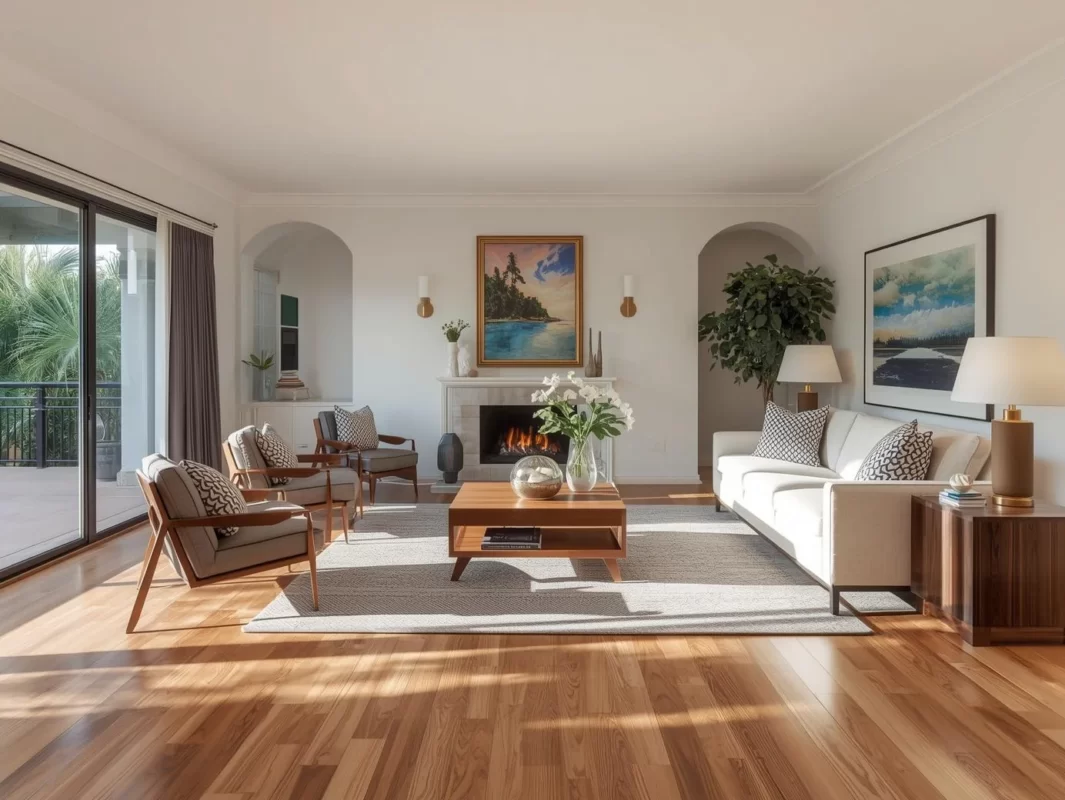
If you’re drawn to spaces that feel calm, balanced, and effortlessly beautiful, Japandi style might be exactly what your Gold Coast home needs. This design approach has been gaining momentum in Australian interiors, and it’s easy to see why. It blends the best of two beloved aesthetics into something timeless, functional, and deeply satisfying to live in.
At Award Carpets Gold Coast, we’ve seen more and more locals embrace Japandi principles in their homes. Whether you’re renovating, building new, or simply refreshing your space, this guide will walk you through everything you need to know about creating a Japandi-inspired interior—from colour palettes and materials to the flooring choices that tie it all together.
Japandi Style Interior Design
Japandi isn’t just another passing trend. It’s a thoughtful fusion of Japanese minimalism and Scandinavian functionality that creates interiors which are both serene and liveable. The style celebrates natural materials, neutral tones, and uncluttered spaces, all while maintaining warmth and comfort.
What makes Japandi particularly appealing for Gold Coast homes is its emphasis on light, breathability, and connection to nature—qualities that complement our coastal lifestyle perfectly. It’s about creating spaces that feel intentional without being cold, minimal without being stark, and stylish without being fussy.
What Is Japandi Style?
The Fusion of Japanese Minimalism and Scandinavian Functionality
Japandi brings together two design philosophies that might seem different at first glance but share surprising common ground. Japanese design has long championed simplicity, craftsmanship, and a deep respect for natural materials. Scandinavian design, meanwhile, is known for its focus on functionality, cosy comfort (hygge), and light-filled spaces.
When these two approaches merge, you get the best of both worlds: the zen-like calm and refined aesthetics of Japanese interiors combined with the warmth, practicality, and lived-in comfort that defines Scandinavian homes. The result is a style that feels both elevated and approachable.
The Philosophy Behind Japandi Living
At its heart, Japandi is about intentional living. It encourages you to be mindful about what you bring into your home, choosing quality over quantity and function over excess. Every piece should serve a purpose or bring genuine joy.
This philosophy extends to how spaces are arranged and experienced. Japandi homes prioritise calm, balance, and a connection to the natural world. There’s an appreciation for imperfection (wabi-sabi) and an understanding that true beauty often lies in simplicity and authenticity rather than perfection.
Core Principles of Japandi Interior Design
Simplicity and Intentional Minimalism
Japandi spaces are never cluttered. The minimalist approach means carefully curating what stays in your home and what goes. But this isn’t about cold, empty rooms. It’s about creating breathing space, both visually and mentally, so the items you do keep can truly shine.
Think clean lines, uncluttered surfaces, and thoughtful editing. If something doesn’t serve a function or hold meaning, it probably doesn’t belong in a Japandi interior.
Functionality with Purpose
Every element in a Japandi home needs to earn its place. Furniture isn’t just there to look good—it needs to be comfortable, practical, and well-made. Storage solutions are integrated seamlessly, keeping everyday items out of sight while remaining accessible.
This functional mindset means your home works harder for you, making daily life simpler and more enjoyable. It’s design that supports how you actually live, not just how you want things to look.
Balance, Harmony, and Calm
Japandi interiors are designed to feel balanced. This means balancing light and dark tones, smooth and textured surfaces, modern and handcrafted elements. The goal is to create a sense of harmony where nothing feels jarring or out of place.
Calm is built into every layer—through neutral colours, natural materials, soft lighting, and thoughtful spacing. These homes become sanctuaries where you can escape the noise and busyness of daily life.
Japandi Colour Palette
Neutral and Earthy Base Tones
The Japandi colour palette is rooted in nature. Think soft whites, warm beiges, gentle greys, and creamy off-whites. These neutral tones form the foundation of the space, creating a sense of calm and continuity throughout.
Earthy tones like taupe, sand, and stone add warmth without overwhelming the senses. These colours reflect natural light beautifully—an important consideration for Gold Coast homes where sunshine is abundant.
Soft Contrasts with Charcoal and Warm Wood
To prevent spaces from feeling too monotone, Japandi design introduces subtle contrasts. Charcoal greys, deep browns, and black accents add depth and definition. These darker tones are used sparingly—perhaps in a feature wall, furniture legs, or decorative objects.
Warm wood tones are essential. Whether it’s pale ash, honey-toned oak, or rich walnut, natural timber brings texture, warmth, and organic beauty to Japandi interiors.
Accent Colours for Depth and Warmth
While the palette is predominantly neutral, small touches of muted colour can add personality. Soft terracotta, dusty pink, sage green, or warm ochre work beautifully as accent colours. These should be introduced sparingly through cushions, throws, ceramics, or artwork.
The key is keeping colours soft and earthy rather than bright or saturated. Everything should feel cohesive and natural.
Materials and Textures in Japandi Interiors
Natural Woods and Organic Finishes
Wood is the star of Japandi design. Light to mid-tone timber with visible grain and natural character brings warmth and authenticity to every room. Whether it’s timber flooring, furniture, or shelving, wood should feel honest and unpretentious.
Look for pieces with simple joinery and minimal treatment. The beauty of the material itself should be the focus, not heavy stains or glossy finishes.
Stone, Clay, and Handcrafted Elements
Natural stone, clay pots, ceramic vases, and handcrafted objects add texture and depth to Japandi spaces. These materials have an earthy, grounded quality that reinforces the connection to nature.
Imperfections are welcomed here. A slightly irregular ceramic bowl or a stone surface with natural variation adds character and authenticity—hallmarks of wabi-sabi philosophy.
Linen, Cotton, and Wool Textiles
Textiles in Japandi homes are natural, tactile, and understated. Linen bedding, cotton throws, wool carpets, and jute rugs all contribute to the layered, inviting feel of the space.
Stick to neutral tones and simple weaves. The focus is on how fabrics feel and how they soften the overall look, not on bold patterns or showy details.
Japandi Furniture and Layout Ideas
Low-Profile Pieces with Clean Lines
Japandi furniture sits low to the ground and features clean, simple lines. Think platform beds, low-slung sofas, and streamlined dining tables. This creates a grounded, peaceful feeling and emphasises horizontal space.
Avoid overly ornate or bulky pieces. The furniture should feel light and unobtrusive, even if it’s substantial in size.
Open Space and Thoughtful Placement
Space itself is a design element in Japandi interiors. Furniture is arranged with intention, leaving plenty of open floor space to move and breathe. Rooms shouldn’t feel packed or cluttered.
Consider traffic flow, sightlines, and the relationship between pieces. Everything should have room to be appreciated on its own.
Scandinavian Comfort Meets Japanese Craftsmanship
While Japanese design leans toward restraint, Scandinavian design brings in comfort. The result is furniture that’s both beautifully crafted and genuinely comfortable to use. Look for pieces with ergonomic shapes, soft cushioning, and quality construction.
It’s design that invites you to sit down, relax, and stay awhile—not just admire from a distance.
Lighting in Japandi Design
Maximising Natural Light
Natural light is precious in Japandi spaces. Keep window treatments minimal—sheer curtains or simple blinds that can be fully opened during the day. Avoid heavy drapes that block sunlight.
Arrange furniture to make the most of natural light, and use mirrors strategically to bounce light deeper into rooms.
Soft Ambient Lighting Choices
When artificial lighting is needed, it should be soft, warm, and layered. Table lamps, floor lamps, and wall sconces create pools of gentle light rather than harsh overhead glare.
Dimmers are your friend. They let you adjust the mood and intensity as needed throughout the day and evening.
Minimalist Fixtures for Warmth
Light fixtures themselves should be simple and understated. Think paper lanterns, woven pendant shades, or sculptural ceramic lamps. Avoid anything overly decorative or flashy.
The goal is to provide functional lighting while contributing to the overall aesthetic—not becoming the focal point.
Styling and Decor in Japandi Homes
Meaningful Decorative Pieces
In Japandi interiors, every decorative item should have meaning or purpose. A handmade ceramic bowl, a piece of driftwood, a single stem in a simple vase—these small touches add personality without creating clutter.
Quality matters more than quantity. One beautiful object is better than ten mediocre ones.
Indoor Plants and Natural Greenery
Plants bring life, colour, and a connection to nature into Japandi spaces. Choose simple planters in neutral tones and opt for low-maintenance varieties like snake plants, monstera, or fiddle leaf figs.
Bonsai trees, bamboo, and trailing pothos plants all work beautifully. Keep arrangements simple and uncluttered.
Embracing Wabi-Sabi Imperfection
Wabi-sabi is the Japanese concept of finding beauty in imperfection and impermanence. In Japandi design, this means celebrating natural wear, organic shapes, and the unique character of handmade objects.
A weathered timber table, a slightly irregular ceramic piece, or a linen cushion with natural creases all embody this philosophy. Perfection isn’t the goal—authenticity is.
Best Flooring for Japandi Style Interiors
Why Flooring Matters in Japandi Design
Flooring is one of the most important decisions in any Japandi interior. It sets the foundation for the entire space, influencing colour, texture, and the overall feeling of the room. The right flooring choice supports the calm, natural aesthetic while providing practical durability.
On the Gold Coast, where humidity, sandy feet, and active lifestyles are part of everyday life, your flooring needs to look beautiful and perform well.
Natural Timber Flooring – Warm and Understated
Timber flooring is the quintessential Japandi choice. Light to mid-tone woods like oak, ash, or bamboo create a warm, organic base that works beautifully with neutral palettes and natural materials.
Look for timber with visible grain and natural character. Matte or satin finishes are preferable to high-gloss options, as they feel more authentic and understated. Wide planks can create a sense of spaciousness, while the natural warmth of wood adds comfort underfoot.
At Award Carpets Gold Coast, we offer a range of timber flooring options that complement Japandi aesthetics perfectly. Our team can help you select the right timber species, finish, and installation method for your home.
If you love the look of timber but need extra durability and water resistance, hybrid flooring is worth considering. Hybrid flooring combines the beauty of natural timber with modern performance features, making it ideal for busy Gold Coast homes. SPC hybrid flooring offers excellent stability and waterproofing while maintaining the warm, natural look essential to Japandi design.
Neutral Textured Carpets & Rugs for Comfort
While timber is popular, carpet plays an important role in Japandi interiors, especially in bedrooms and living rooms where comfort and softness are priorities.
Choose neutral tones—soft greys, warm beiges, or creamy whites—in subtle textures. Low-pile or looped carpets work well, as they feel modern and easy to maintain. Avoid bold patterns or bright colours that would clash with the minimalist aesthetic.
Carpet adds acoustic comfort, making spaces feel quieter and more intimate. It’s also gentler on the feet and joints, which matters in bedrooms and areas where you spend time sitting or playing on the floor.
Layering with Minimalist Design Rugs
Layering rugs over timber or hybrid floors is a classic Japandi styling technique. Natural fibre rugs made from jute, sisal, or seagrass add texture and define zones within open-plan spaces.
Keep designs simple—solid colours, subtle stripes, or natural weaves. Oversized rugs work better than small accent rugs, as they create a grounded, cohesive look.
Rugs also provide an opportunity to introduce warmth and softness into high-traffic areas without committing to wall-to-wall carpet.
Flooring Colours That Complement Japandi Palettes
Flooring colour sets the tone for the entire room. In Japandi design, stick to natural, neutral tones that echo the colour palette already established in your space.
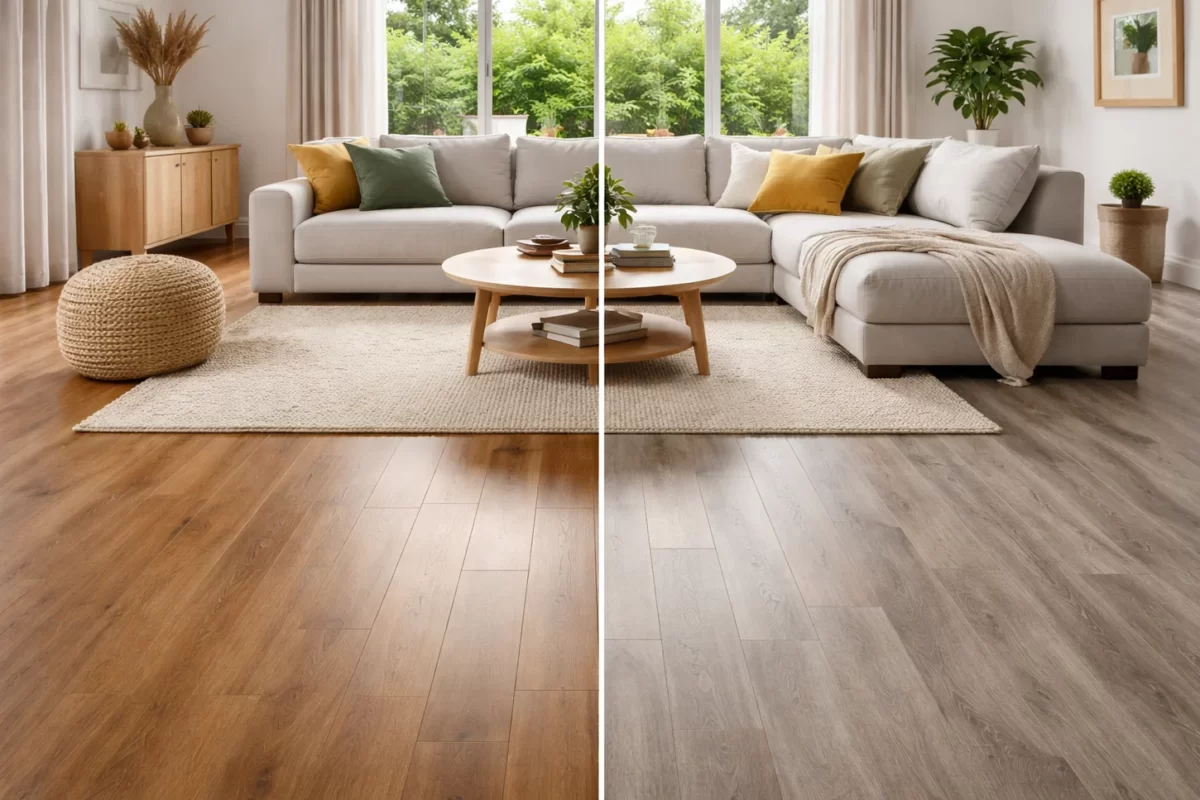
Light blonde or pale oak timbers create an airy, Scandinavian-inspired feel. Mid-tone woods add warmth without being too dark or heavy. For carpet, soft greys, warm taupes, and creamy off-whites are ideal.
Avoid overly dark or glossy floors, which can feel heavy and formal. The goal is to create a seamless, calming base that supports the rest of your design.
Flooring and Soft Furnishings for Japandi Interiors
Timber and Neutral Base Flooring
Your flooring choice should feel like a natural extension of the overall design. Timber, hybrid, or LVP/LVT flooring in light to mid-tones provides the perfect neutral base for Japandi interiors.
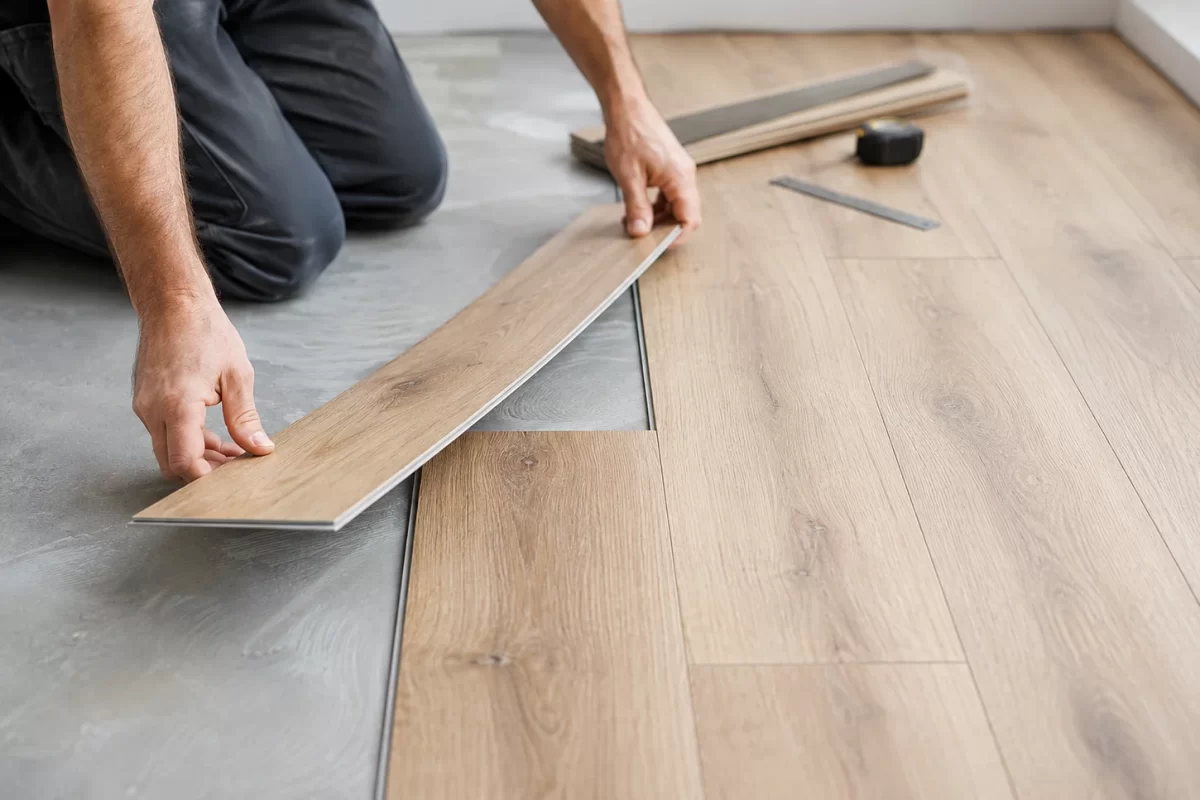
These options offer durability, easy maintenance, and the natural aesthetic that’s central to the style. Proper flooring installation ensures your floors look great and last for years, even in busy households.
Choosing Subtle, Textured Carpets
When selecting carpet for Japandi spaces, focus on texture rather than pattern. Soft, tactile surfaces in neutral shades add warmth and comfort without drawing too much attention.
Consider carpet for bedrooms, living rooms, or anywhere you want a quieter, cosier feel. It’s also a smart choice for hallways and high-traffic areas when paired with quality underlay and regular maintenance.
Layering Rugs for Warmth and Zoning
Layering rugs adds dimension, warmth, and visual interest to Japandi rooms. Use large, neutral rugs to define seating areas, dining zones, or bedrooms.
Natural fibre rugs work beautifully over timber or hybrid floors, adding texture while maintaining the organic, earthy vibe. Keep designs simple and let the materials do the talking.
Japandi Style Room-by-Room Guide
Creating a Calm Japandi Living Room
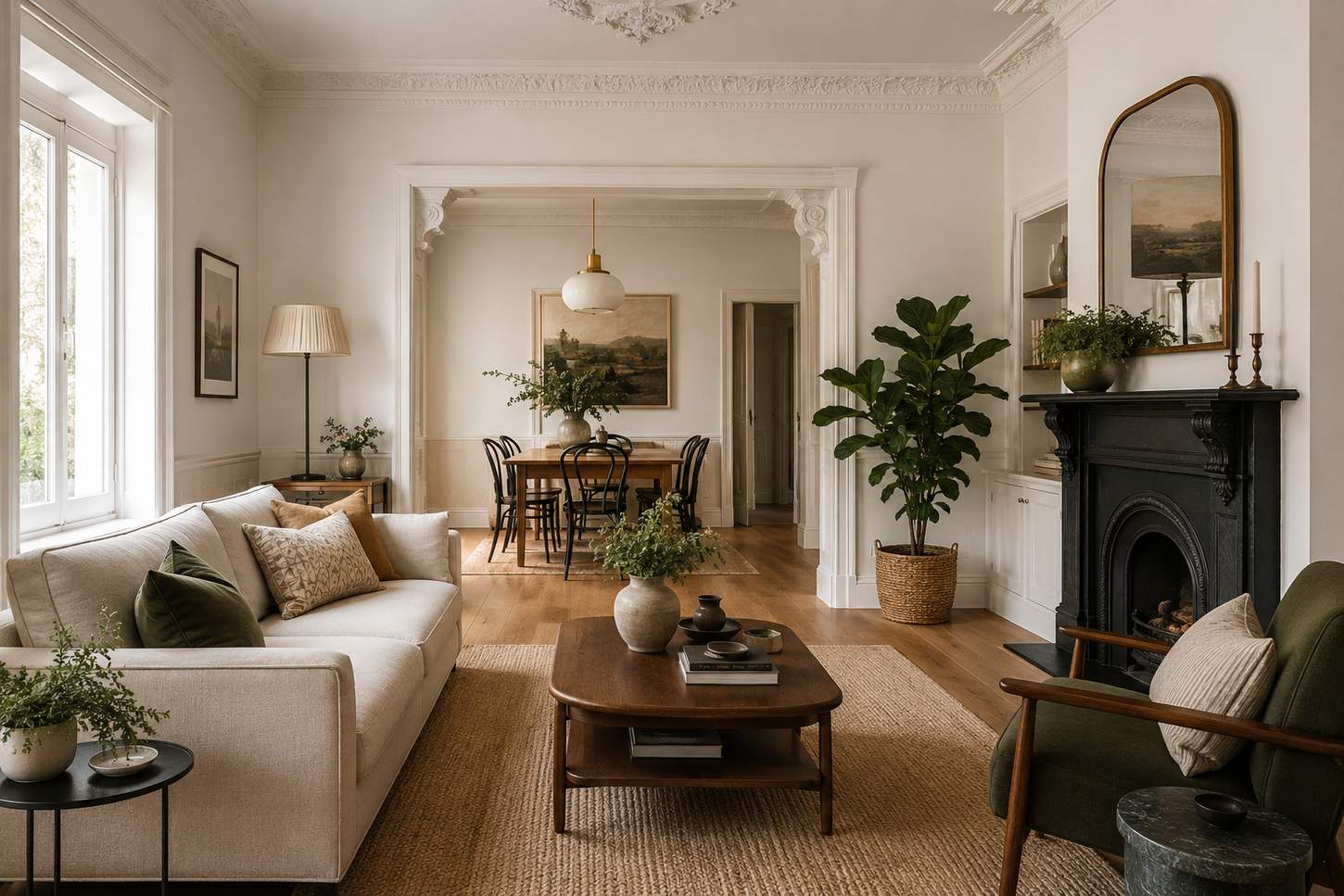
Your living room is where Japandi principles really shine. Start with a neutral base—light timber or hybrid flooring paired with soft, low-profile furniture in natural fabrics.
Keep surfaces clear and limit decorative items to a few meaningful pieces. A simple coffee table, a linen sofa, a couple of floor cushions, and a potted plant can create a serene, inviting space that’s perfect for relaxing or entertaining.
Lighting should be soft and layered. Use floor lamps, table lamps, or paper lanterns to create warm pools of light. Avoid harsh overhead lighting whenever possible.
Designing a Restful Japandi Bedroom
Japandi bedrooms are sanctuaries of calm. Stick to a simple colour palette—soft whites, beiges, and greys—with natural timber accents. A low platform bed with linen bedding sets the tone.
Choose flooring that feels comfortable underfoot—timber, hybrid, or soft carpet all work well. If using timber, consider adding a natural fibre rug beside the bed for warmth and texture.
Keep bedside tables minimal, with just a lamp and perhaps a small plant or book. Window treatments should be simple and allow natural light to filter through during the day.
Japandi-Inspired Kitchens and Dining Spaces
Japandi kitchens are clean, functional, and beautiful. Opt for handleless cabinetry in light wood or matte finishes. Open shelving can display simple ceramics and glassware, but keep it curated and clutter-free.
For flooring, consider durable options suitable for kitchens—timber, hybrid, or vinyl in natural tones. These materials handle spills and high traffic while maintaining the aesthetic.
Dining spaces should feel inviting. A simple timber table with clean-lined chairs, a ceramic vase with fresh greenery, and soft pendant lighting create the perfect Japandi dining atmosphere.
Minimalist Japandi Home Office Ideas
A Japandi home office should promote focus and calm. Choose a simple desk with clean lines, a comfortable chair in natural materials, and minimal accessories. Keep cables hidden and surfaces clear.
Natural light is crucial for productivity, so position your desk near a window if possible. Add a small plant, a ceramic pen holder, and perhaps a single piece of artwork to personalise the space without cluttering it.
Flooring should be quiet and comfortable—timber, hybrid, or low-pile carpet all work well. Consider a simple rug to define the workspace and add warmth.
Common Japandi Design Mistakes to Avoid
Overcrowding Minimal Spaces
The biggest mistake in Japandi design is adding too much. Just because a space looks minimal doesn’t mean you should fill the “empty” areas. Open space is intentional—it’s what creates the sense of calm and balance.
Resist the urge to add more furniture, more decor, or more pattern. If a room feels sparse, look at improving the quality of what’s there rather than adding quantity.
Using Bold or Distracting Patterns
Japandi design relies on subtle beauty—bold patterns disrupt the calm. Avoid geometric prints, loud florals, or busy textiles that draw too much attention.
If you want pattern, keep it minimal and organic. Think subtle stripes, gentle textures, or the natural grain of wood and stone.
Ignoring Texture and Warmth
While Japandi is minimal, it shouldn’t feel cold or sterile. If your space feels too stark, it’s likely missing texture and warmth.
Add layers through natural textiles—linen cushions, wool throws, jute rugs. Introduce warm-toned timber, handcrafted ceramics, and soft lighting. These elements make all the difference between minimal and inviting.
Why Japandi Style Works for Gold Coast Homes
Complementing Coastal Lifestyles
Gold Coast living is all about connection to nature, relaxed coastal vibes, and indoor-outdoor flow. Japandi design supports this lifestyle perfectly with its emphasis on natural materials, light-filled spaces, and uncluttered living.
The neutral palette and organic textures echo the beach and hinterland landscapes, while the functional approach suits active, outdoor-focused families.
Creating Cool, Breathable, and Relaxed Interiors
In our warm, humid climate, homes need to feel cool and breathable. Japandi’s focus on natural materials, light colours, and minimal clutter helps create spaces that stay comfortable year-round.
Timber and hybrid floors are cooler underfoot than heavy carpet, while natural textiles allow airflow. The open, uncluttered layouts make rooms feel more spacious and less stuffy—ideal for Gold Coast weather.
Transform Your Gold Coast Home with Award Carpets
At Award Carpets Gold Coast, we understand that flooring is the foundation of great interior design. Whether you’re creating a full Japandi-inspired home or simply refreshing a single room, we’re here to help you choose the perfect flooring solution.
As an independent family-run business with over 30 years of experience on the Gold Coast, we offer expert advice, quality products, and professional flooring installation that brings your vision to life. We stock leading Australian brands alongside unique boutique options you won’t find anywhere else.
From natural timber flooring and waterproof hybrid to soft, textured carpet perfect for Japandi spaces, our range has everything you need to create a calm, beautiful, and functional home.
Japandi style offers the perfect balance of beauty, function, and tranquility—qualities that make a house feel like home. With thoughtful choices in colour, materials, furniture, and flooring, you can create spaces that support calm, intentional living while standing up to the demands of real life on the Gold Coast. Visit our showroom or browse our range online to explore flooring options that bring your Japandi vision to life. Our team is ready to help you every step of the way—from choosing the right materials to delivering expert installation. Book your free quote today and start transforming your home into the peaceful sanctuary you’ve been dreaming of.