

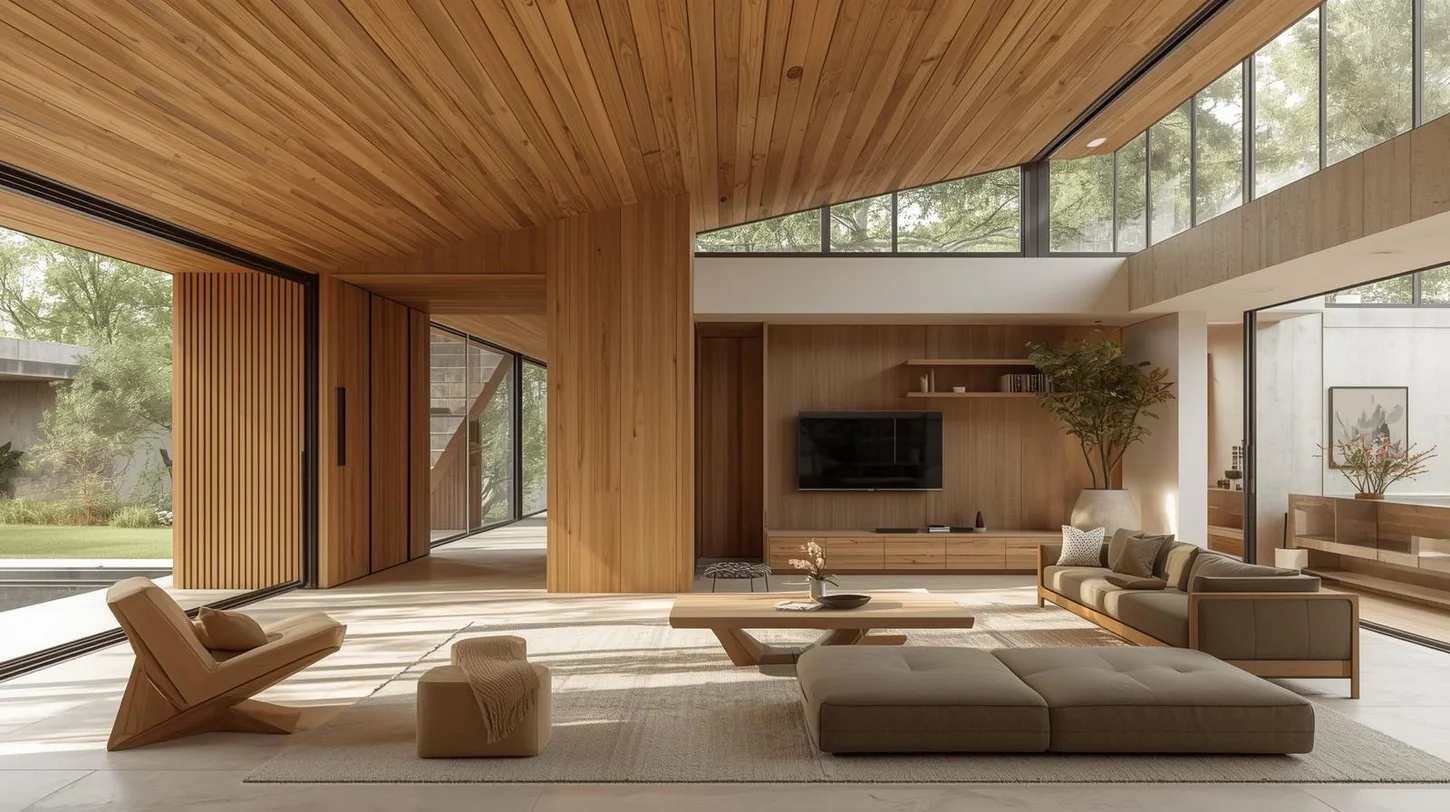

If you’re dreaming of a home that feels calm, grounded, and effortlessly stylish, organic modern interior design might be exactly what you’re looking for. This design style has taken Australian homes by storm—and for good reason. It blends the clean lines of modern design with the warmth and authenticity of natural materials, creating spaces that feel both polished and lived-in.
At Award Carpets Gold Coast, we’ve helped countless locals bring this look to life, starting with the foundation that matters most: flooring. Whether you’re renovating your entire home or refreshing a single room, understanding organic modern design will help you make confident choices that stand the test of time.
Let’s explore what makes this style so appealing and how you can achieve it in your own space.
What is Organic Modern Interior Design?
Definition and Key Concept
Organic modern interior design is a style that marries contemporary aesthetics with natural, earthy elements. Think sleek furniture paired with raw timber, neutral tones layered with organic textures, and minimalist layouts softened by greenery and warmth. It’s modern design with soul—spaces that feel intentional but never cold.
The key concept is balance. You’re not choosing between modern or natural—you’re embracing both. The result is a home that feels sophisticated yet welcoming, structured yet relaxed.
Why It’s Trending in Modern Homes
Organic modern design has exploded in popularity because it addresses what many homeowners crave: calm, comfort, and connection to nature. After years of stark minimalism and overly busy interiors, people are seeking something in between—a style that’s clean without being clinical, and warm without being cluttered.
It’s also perfectly suited to the Australian lifestyle. With our love of indoor-outdoor living, natural light, and coastal vibes, organic modern design feels right at home on the Gold Coast and beyond.
How It Differs from Minimalist and Scandinavian Styles
While organic modern shares DNA with both minimalist and Scandinavian design, it’s not quite the same.
Minimalism focuses on “less is more,” often resulting in stark, monochrome spaces. Organic modern keeps the clean lines but adds warmth through texture, natural materials, and earthy tones.
Scandinavian design also embraces simplicity and natural elements, but tends toward lighter woods, cooler tones, and a more cottage-like coziness. Organic modern leans warmer, with deeper neutrals, sculptural shapes, and a more curated, gallery-like feel.
In short: organic modern is minimalism with warmth, and Scandinavian design with edge.
The Origins and Evolution of Organic Modern Design
Early Influences and Architectural Roots
Organic modern design draws inspiration from mid-century modernism, Japanese wabi-sabi philosophy, and the works of architects like Frank Lloyd Wright and Alvar Aalto. These pioneers believed in designing with nature, not against it—using natural materials, embracing imperfection, and creating harmony between built environments and the landscape.
Fast forward to today, and those principles have been refined into a style that’s both timeless and on-trend.
Shift from Cold Minimalism to Warm Simplicity
In the 2010s, minimalism dominated interior design. While beautiful, many minimalist spaces felt cold, impersonal, and difficult to live in. Homeowners wanted simplicity, but they also wanted warmth.
Organic modern design emerged as the answer. It keeps the uncluttered layouts and clean lines but introduces natural textures, earthy colours, and handcrafted pieces that make a space feel human again.
The Rise of Wellness-Focused Interiors
Today’s homeowners are more focused on wellness than ever before. We want our homes to support mental health, reduce stress, and promote relaxation. Organic modern design delivers on all fronts by incorporating biophilic elements, natural light, and calming neutral palettes.
It’s not just about aesthetics—it’s about creating a home that feels good to live in.
Core Principles of Organic Modern Interior Design
Balance Between Modern Structure and Natural Elements
The magic of organic modern design lies in the tension between opposites. You’ll see straight-edged furniture next to a curvy ceramic vase, or a sleek kitchen island topped with a chunky timber cutting board. The modern structure keeps things grounded, while the natural elements add warmth and character.
Use of Natural Materials
Natural materials are non-negotiable in organic modern spaces. Think timber, stone, linen, wool, rattan, jute, and clay. These materials bring texture, depth, and authenticity to a room. They also age beautifully, developing patina and character over time.
At Award Carpets Gold Coast, we see this firsthand with clients choosing timber and carpet flooring that enhances the organic feel of their homes.
Neutral and Earthy Colour Palettes
Organic modern design relies on a neutral base—whites, beiges, taupes, and soft greys—layered with earthy accents like terracotta, olive, rust, and charcoal. The goal is to create a calm, cohesive backdrop that lets textures and materials shine.
Bold colours are rare, and when they do appear, they’re muted and nature-inspired.
Functional and Minimalist Layouts
Less is more when it comes to layout. Organic modern spaces are uncluttered and functional, with every piece serving a purpose. Open-plan living, streamlined storage, and thoughtful furniture placement create flow and breathing room.
Organic Shapes and Soft Lines
While modern design loves sharp angles, organic modern softens things up with curves, rounded edges, and sculptural forms. Think arched doorways, rounded mirrors, curved sofas, and organic-shaped coffee tables. These details add visual interest without overwhelming the space.
Key Elements of Organic Modern Interiors
Natural Textures and Layering
Texture is everything in organic modern design. Layering different materials—like a wool rug over timber floors, linen cushions on a leather sofa, or a chunky knit throw draped over a sleek armchair—creates depth and warmth.
The key is to mix textures thoughtfully. Combine smooth with rough, soft with hard, matte with gloss. This variety keeps the eye engaged and the space feeling lived-in.
Biophilic Design and Indoor-Outdoor Connection
Biophilic design—bringing nature indoors—is a cornerstone of organic modern style. This means plenty of indoor plants, natural light, and seamless transitions between indoor and outdoor spaces.
On the Gold Coast, where the weather’s beautiful year-round, this is a natural fit. Large sliding doors, outdoor entertaining areas, and greenery throughout the home create that effortless indoor-outdoor flow.
Statement Pieces Over Clutter
Instead of filling a room with lots of small decorative items, organic modern design focuses on a few statement pieces. A sculptural floor lamp, a handcrafted ceramic vase, or a bold piece of artwork can anchor a room and give it personality without creating visual noise.
Warm and Ambient Lighting Choices
Lighting in organic modern spaces is soft, warm, and layered. Avoid harsh overhead lights in favour of table lamps, floor lamps, pendant lights, and dimmers. Natural materials like rattan, linen, and wood are often used in light fixtures to reinforce the organic aesthetic.
Organic Modern Colour Palettes and Styling Tips
Base Colours for a Neutral Foundation
Start with a neutral base: soft whites, warm beiges, light greys, and taupes. These colours create a calm, cohesive foundation that works with any natural material or texture you introduce.
Walls, ceilings, and large furniture pieces should stick to this neutral palette to keep the space feeling open and airy.
Earthy Accent Colours
Accent colours in organic modern design are always earthy and muted. Think terracotta, sage green, dusty pink, rust, ochre, and charcoal. These tones add warmth and personality without overwhelming the space.
Use them sparingly—in cushions, throws, artwork, or a feature wall.
Creating Contrast Through Texture Instead of Colour
Because the colour palette is so restrained, contrast comes from texture rather than bold hues. A chunky knit blanket against smooth linen, or a rough stone vase on a glossy table, creates visual interest without breaking the calm, cohesive look.
Flooring in Organic Modern Interior Design
Why Flooring is Foundational to the Style
Flooring is the foundation of any interior design style, but it’s especially critical in organic modern spaces. Because the look is so focused on natural materials and neutral tones, your flooring choice sets the tone for the entire room.
The right flooring grounds the space, adds warmth, and reinforces the connection to nature that defines this style.
Timber, Carpet, and Stone Options Explained
When it comes to organic modern flooring, three materials dominate: timber, carpet, and stone. Each brings something different to the table.
Timber offers warmth, authenticity, and natural beauty. It works in virtually every room and ages beautifully over time.
Carpet adds softness, texture, and acoustic comfort. It’s perfect for bedrooms, living rooms, and any space where you want to feel grounded and cozy.
Stone brings a cool, earthy elegance to bathrooms, kitchens, and entryways. It’s durable, timeless, and pairs beautifully with natural materials.
Choosing the Right Texture and Finish
Texture and finish matter just as much as material. In organic modern design, you want finishes that feel natural and understated. Matte or semi-matte finishes work better than high gloss. Hand-scraped or wire-brushed timber adds character without feeling rustic.
For carpet, choose plush textures in neutral tones. For timber, look for wide planks and natural grain patterns.
Best Carpet Styles for Organic Modern Homes
If you’re leaning toward carpet, choose styles that feel soft, neutral, and textured. Loop pile, cut pile, and textured carpets in beiges, taupes, and soft greys are ideal.
Avoid bold patterns or bright colours—stick with solid neutrals that complement the rest of your organic modern palette. At Award Carpets Gold Coast, we can help you choose a carpet that feels luxurious underfoot and perfectly complements your design vision.
Engineered Timber Flooring for Warmth and Authenticity
Timber flooring is a top choice for organic modern interiors. Engineered timber offers the warmth and beauty of real wood with added stability and durability. It’s perfect for open-plan living areas, bedrooms, and hallways.
Choose wide planks in natural or lightly stained finishes. Oak, spotted gum, and blackbutt are popular Australian species that bring character and warmth to any space.
Hybrid Flooring for a Natural Look with Durability
Hybrid flooring combines the best of timber and vinyl—realistic wood looks with exceptional water resistance and durability. It’s a smart choice for busy households, especially in kitchens, living rooms, and bathrooms.
Hybrid flooring is also softer and quieter underfoot than traditional laminate, making it a comfortable and practical option for families.
Laminate Flooring with Realistic Wood Finishes
Laminate flooring has come a long way in recent years. Today’s laminate options feature realistic timber textures and finishes that fit beautifully into organic modern spaces.
It’s budget-friendly, easy to maintain, and available in a wide range of natural-looking styles. If you want the look of timber without the cost, laminate is a great option.
Vinyl Flooring for Soft, Underfoot Comfort
Vinyl flooring offers versatility, comfort, and style. Modern vinyl planks and tiles mimic the look of timber and stone while providing a softer, quieter feel underfoot.
It’s water-resistant, low-maintenance, and ideal for high-traffic areas. For organic modern homes, choose vinyl with realistic wood grain patterns in warm, neutral tones.
Carpet for Texture and Warmth
Carpet brings a level of warmth and texture that hard flooring simply can’t match. In bedrooms, living rooms, and cozy reading nooks, carpet enhances the organic modern aesthetic by adding softness and acoustic comfort.
Choose natural fibre carpets like wool or wool-blend options in neutral shades. These materials are sustainable, durable, and beautifully aligned with the organic modern ethos.
Room-by-Room Organic Modern Design Guide
Living Room Design Ideas
Your living room is the heart of your home, and in organic modern design, it should feel like a calm, inviting retreat. Start with a neutral sofa in linen or wool, layered with textured cushions and a chunky throw. Add a low-profile coffee table in timber or stone, and anchor the space with a natural fibre rug.
Keep the layout open and uncluttered, with plenty of negative space. A statement floor lamp or sculptural piece of artwork can add personality without overwhelming the room.
Bedroom Styling for a Calm Retreat
Bedrooms should feel like sanctuaries. Stick to a soft, neutral colour palette with plenty of natural textures. Layer your bed with linen sheets, a wool blanket, and textured cushions. Choose timber or upholstered bed frames with simple, clean lines.
Add warmth with a plush carpet or natural fibre rug, and keep décor minimal—a potted plant, a ceramic vase, or a piece of abstract art is all you need.
Kitchen Design with Natural Finishes
Organic modern kitchens blend sleek cabinetry with natural materials. Think white or taupe cabinetry paired with timber shelving, stone benchtops, and matte black or brass fixtures.
Open shelving can display handcrafted ceramics and glassware, adding visual interest without clutter. Choose durable, water-resistant flooring like hybrid or vinyl with realistic timber finishes.
Bathroom Design for a Spa-Like Feel
Bathrooms are the perfect place to embrace organic modern design’s spa-like calm. Use natural stone tiles, timber accents, and soft, neutral tones. Add greenery with potted plants or a hanging planter.
Choose fixtures in matte black, brushed brass, or natural stone. Keep the space uncluttered with hidden storage and minimalist accessories.
Organic Modern vs Other Interior Design Styles
Organic Modern vs Minimalist
Minimalist design strips everything back to the essentials, often resulting in stark, monochrome spaces. Organic modern keeps the clean lines and uncluttered layouts but adds warmth through natural materials, earthy tones, and layered textures.
If minimalism feels too cold for you, organic modern is the warmer, more livable alternative.
Organic Modern vs Scandinavian
Scandinavian design shares organic modern’s love of simplicity and natural materials, but it skews lighter and cozier. Think pale woods, soft pastels, and lots of white.
Organic modern is warmer, with deeper neutrals, sculptural shapes, and a more refined, gallery-like feel. It’s Scandi’s sophisticated older sibling.
Organic Modern vs Contemporary
Contemporary design is trend-driven and often incorporates bold colours, mixed materials, and eclectic pieces. Organic modern is more restrained, focusing on timeless neutrals, natural materials, and a cohesive aesthetic.
If contemporary design feels too busy, organic modern offers a calmer, more grounded alternative.
Common Mistakes to Avoid
Overdecorating and Losing Simplicity
One of the biggest mistakes in organic modern design is overdecorating. This style thrives on simplicity and breathing room. Resist the urge to fill every surface with décor—choose a few statement pieces and let them shine.
Using Too Many Colours
Stick to a neutral base with earthy accents. Introducing too many colours—especially bold or bright ones—disrupts the calm, cohesive look that defines organic modern design.
Ignoring Texture and Materials
Without texture, organic modern spaces can feel flat and boring. Layer different materials and finishes to create depth and visual interest. Mix smooth with rough, soft with hard, matte with gloss.
Choosing Synthetic Over Natural Finishes
Organic modern design is all about authenticity. Choosing synthetic materials that mimic natural ones can undermine the look. Whenever possible, opt for real timber, stone, wool, and linen over plastic or heavily processed alternatives.
Budget-Friendly Ways to Achieve Organic Modern Style
Starting with a Neutral Base
You don’t need to renovate your entire home to achieve organic modern style. Start by painting walls in soft, neutral tones and swapping out bright or busy furnishings for neutral pieces.
Incorporating Plants and Natural Décor
Indoor plants are one of the easiest and most affordable ways to bring organic modern vibes into your home. Add potted plants, hanging planters, or a fiddle leaf fig in the corner. Natural décor like timber bowls, ceramic vases, and woven baskets also add warmth without breaking the bank.
Updating Soft Furnishings
Swapping out cushions, throws, and rugs is a budget-friendly way to refresh your space. Choose natural fabrics like linen, cotton, and wool in neutral tones and earthy accents.
DIY Organic Design Elements
Get creative with DIY projects. Make your own macramé wall hanging, paint terracotta pots, or refinish a piece of timber furniture. These handmade touches add personality and authenticity to your space.
Why Organic Modern Design Suits Australian Homes
Embracing Indoor-Outdoor Living
Australians love indoor-outdoor living, and organic modern design is built for it. Large sliding doors, outdoor entertaining areas, and seamless transitions between inside and outside create a lifestyle that’s relaxed, connected, and uniquely Australian.
Maximising Natural Light
With our abundance of sunshine, Australian homes are designed to capture natural light. Organic modern design embraces this with large windows, light neutral palettes, and minimal window treatments that let the light pour in.
Perfect for Coastal and Suburban Properties
Whether you’re living in a beachside apartment on the Gold Coast or a suburban family home, organic modern design adapts beautifully. It works in small spaces and large, coastal settings and inland properties, modern builds and renovated heritage homes.
Choosing the Right Flooring with Award Carpets Gold Coast
Finding the Perfect Carpet for Organic Modern Spaces
At Award Carpets Gold Coast, we understand that flooring is the foundation of great design. If you’re drawn to the soft, grounded feel of carpet, we can help you choose styles and colours that perfectly complement your organic modern vision.
Our range includes plush neutrals, natural fibre options, and textured carpets that add warmth without overwhelming the space.
Expert Advice on Colours, Textures, and Materials
Not sure which flooring is right for your home? Our team offers expert advice on colours, textures, and materials to help you make confident decisions. We’ll consider your lifestyle, budget, and design goals to find the perfect fit.
Custom Flooring Solutions for Modern Australian Homes
As an independent family-run business, we’re not limited by big-box showroom stock. We work with leading Australian brands and unique boutique lines to deliver custom flooring installation solutions tailored to your home.
From timber to carpet, hybrid to vinyl, we’ve got you covered.
Final Thoughts on Organic Modern Interior Design
Creating a Calm and Timeless Space
Organic modern design isn’t just a trend—it’s a timeless approach to creating spaces that feel calm, grounded, and authentically you. By focusing on natural materials, neutral tones, and thoughtful design, you can build a home that feels as good as it looks.
Balancing Simplicity with Warmth
The beauty of organic modern design is in the balance. It’s simple without being stark, modern without being cold, and natural without being rustic. It’s a style that works for real life, real families, and real homes.
Investing in Quality Foundations Like Flooring
Great design starts from the ground up. Investing in quality flooring—whether it’s timber, carpet, hybrid, or vinyl—sets the tone for your entire home. At Award Carpets Gold Coast, we’re here to help you make that investment with confidence.
FAQs About Organic Modern Interior Design
Is Organic Modern Design Expensive?
Not necessarily. While high-quality natural materials can come with a higher price tag, you can achieve organic modern style on a budget by starting with a neutral base, incorporating affordable décor, and choosing quality flooring that lasts. Focus on a few key investment pieces and build from there.
Can You Mix Organic Modern with Other Styles?
Absolutely. Organic modern design is flexible and works beautifully alongside other styles like Scandinavian, mid-century modern, and even coastal or industrial design. The key is to maintain balance and avoid clashing aesthetics.
What Flooring Works Best for This Style?
Timber, carpet, and stone are the top choices for organic modern interiors. Engineered timber offers warmth and authenticity, carpet adds texture and comfort, and stone brings earthy elegance. Hybrid, laminate, and vinyl are also great options for achieving a natural look with added durability.
Is Organic Modern Still Popular in 2026?
Yes! Organic modern design continues to be one of the most popular interior styles in 2026. Its focus on wellness, sustainability, and timeless aesthetics makes it a lasting choice rather than a passing trend.
Transform Your Gold Coast Home with Award Carpets
Ready to bring organic modern design to life in your home? It all starts with the right flooring. At Award Carpets Gold Coast, we’ve been helping locals create beautiful, functional spaces for over 30 years. From expert advice to professional installation, we’re here to make the process simple and stress-free.
Come visit our showroom or shop online to explore our full range of flooring options. Need help choosing? Call our team and book your free quote today. Let’s build a home that feels calm, grounded, and authentically you.


