

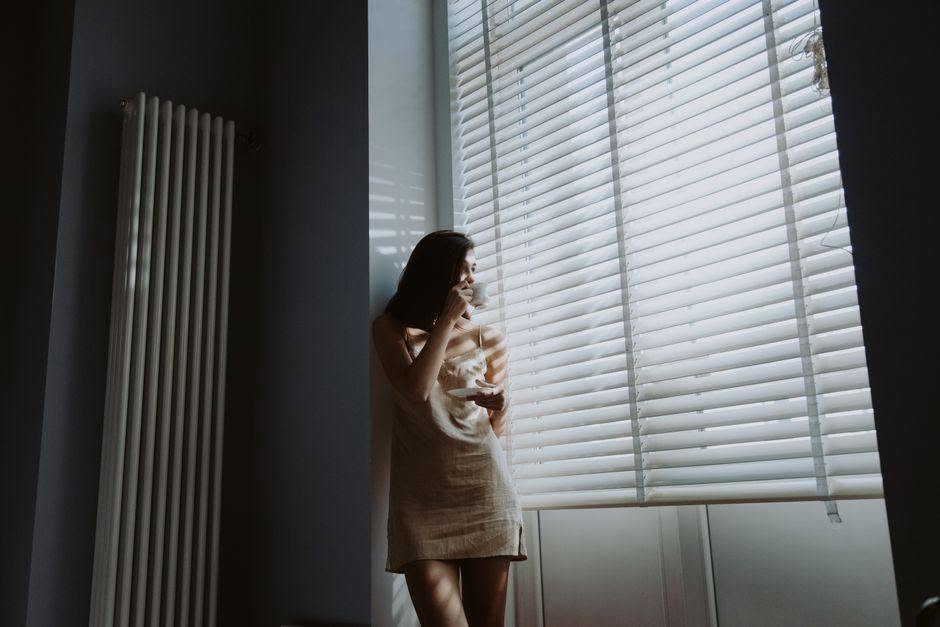

Plantation shutters are a style of interior window covering built around a solid frame with adjustable horizontal slats — called louvres — that can be tilted to manage how much light enters a room, how much airflow passes through, and how visible the interior is from outside. Unlike curtains that draw across a window or blinds that roll up and down, plantation shutters operate more like a permanent architectural fixture: they sit within or against the window recess and stay in place whether open or closed.
Homeowners tend to consider plantation shutters when building, renovating, or updating their window furnishings because they offer a combination of practical light control and a clean, structured appearance that works across many interior styles. That said, the right choice always depends on the specific room, the window’s orientation, the environmental conditions, and the material selected.
For Gold Coast homeowners, plantation shutters are worth considering as part of a broader approach to window furnishings — particularly given the region’s bright sunlight and humid climate. Award Carpets Gold Coast supplies a range of Fauxwood and timber plantation shutters on the Gold Coast, with options suited to different rooms and design preferences.
What Exactly Are Plantation Shutters?
Before exploring their benefits and variations, it helps to understand what plantation shutters are made of and how they actually function.
The Main Parts of Plantation Shutters
Plantation shutters are made up of several key components that work together as a complete window covering system.
| Component | What It Does |
| Frame | The outer structure that surrounds and supports the shutter panels within or against the window |
| Louvres | The horizontal slats that tilt to adjust incoming light, airflow and privacy |
| Stiles | The vertical sides of each shutter panel that hold the louvres in position |
| Rails | Horizontal sections running across the panel that provide structural support |
| Tilt mechanism | The system used to angle the louvres — varies by design and may include a tilt rod or individual louvre adjustment |
| Hinges and tracks | The hardware that allows panels to swing, fold or slide depending on the configuration |
How Do Plantation Shutters Work?
The louvres are the working part of the shutter. Tilting them upward or downward changes the angle at which light enters the room, allowing you to reduce direct glare while still letting in natural daylight. Angling the louvres also affects sightlines from outside, which is useful for street-facing rooms or windows close to neighbouring properties.
Opening the shutter panels altogether provides full access to the window — useful for cleaning, ventilation or simply opening the window. The louvres themselves can be adjusted at any angle without opening the panels, which means you can fine-tune light and privacy throughout the day without moving the shutters from their position in the frame.
The actual performance — how much light is filtered, how much airflow passes through, and how private the room feels — depends on the specific shutter design, the louvre size, the window configuration and how the shutters are adjusted.
Why Are They Called Plantation Shutters?
The name is linked to the wide louvred shutters that became a recognisable feature of large plantation-style homes across the American South and colonial architecture more broadly in the 18th and 19th centuries. Those homes used louvred shutters to manage heat and airflow in warm, humid climates — a practical solution as much as an aesthetic one.
Over time, the louvred shutter style evolved and spread well beyond its architectural origins. Today, plantation shutters are a popular choice in contemporary residential interiors across Australia, valued more for their clean appearance and adjustable functionality than any historical association.
What Are the Benefits of Plantation Shutters?
The practical reasons homeowners research plantation shutters generally come down to light control, privacy, airflow and appearance. Here’s how each of those works in practice.
Adjustable Natural Light
One of the more appealing features of plantation shutters is the degree of control they give over incoming daylight. Rather than choosing between a fully open window and a completely covered one, the louvres let you find a position that reduces direct glare while keeping the room reasonably bright.
Different louvre angles can soften the quality of light entering the room, which changes the overall feel of the space throughout the day. A room that gets strong morning sun through east-facing windows, for instance, might benefit from a partial louvre angle that takes the edge off without darkening the space entirely. The right position will vary depending on the time of day, the season and personal preference.
Improved Privacy
When the louvres are angled correctly, plantation shutters can restrict direct views into a room from street level or neighbouring properties while still allowing daylight to pass through. This makes them a practical option for street-facing windows, ground-floor bedrooms and living areas where privacy matters without wanting to close off the room entirely.
It’s worth noting that privacy depends on a number of factors: the angle at which the louvres are set, the difference in light levels between inside and outside, and the viewing angle from the street or neighbouring windows. Shutters do not guarantee complete privacy in all conditions, and the louvre position that works during the day may not provide the same level of privacy after dark when interior lights are on.
Airflow and Ventilation
Plantation shutters can be opened at the panel level to allow unrestricted airflow through an open window, the same as any other window covering. With the panels slightly open and the louvres angled, some air movement can pass through even without fully opening the shutters.
It’s important to be clear: the shutters themselves don’t generate ventilation. Airflow depends on whether the window is open and on the outdoor conditions. What shutters do offer is the ability to keep a window partially covered while still allowing some air to move through — which can be useful on warm days when you want airflow without direct sun.
Timeless Interior Appeal
The visual appeal of plantation shutters comes from their clean horizontal lines, structured panel design and architectural quality. Unlike most other window coverings, well-fitted shutters look like part of the room rather than an addition to it.
White and off-white finishes are popular because they read as bright and neutral, complementing a wide range of wall colours, flooring types and cabinetry. Natural timber finishes add warmth and texture, which can work well in rooms where natural materials are a design priority. Either way, plantation shutters tend to coordinate with the interior rather than compete with it — which is part of why the style has remained relevant across so many different interior trends.
Practical Everyday Maintenance
The flat, smooth surfaces of plantation shutter louvres are generally straightforward to keep clean. Regular dusting with a soft microfibre cloth or a duster is usually enough to maintain their appearance between more thorough cleans. Because the louvres can be adjusted to expose both sides, the cleaning process is reasonably accessible.
Compared with curtains or fabric blinds that may need periodic professional cleaning or laundering, plantation shutters typically require less involved care on a day-to-day basis. That said, the specific cleaning and maintenance requirements depend on the material and the manufacturer’s recommendations — so it’s worth following the guidance for the product you’ve chosen.
Potential Insulation and Comfort Benefits
Plantation shutters add a layer of material between the window and the room’s interior, which can have some effect on heat transfer — particularly with well-fitted shutters in recessed window configurations. During warmer periods, closed shutters may help moderate how much heat from direct sunlight builds up in a room.
The extent of any comfort benefit depends on the shutter material and construction, how well the shutters fit within the window recess, the type of glass in the window, and the overall thermal characteristics of the home. Plantation shutters are not insulation in the structural sense, but they can contribute to comfort in rooms with significant sun exposure.
What Types of Plantation Shutters Are Available?
Material is one of the first decisions when choosing plantation shutters, and the right choice depends on the room, the moisture exposure, your cleaning preferences and your design priorities.
Fauxwood Plantation Shutters
Fauxwood plantation shutters are made from engineered materials — typically a composite or PVC-based construction — designed to replicate the appearance of painted timber. They’re produced in a consistent finish without the natural variations of timber grain, which gives them a clean, uniform look.
From a practical standpoint, many Fauxwood products are valued for their resistance to the issues that can affect natural timber in certain environments — warping, splitting or swelling in response to humidity and moisture. This makes moisture-tolerant Fauxwood products worth considering for kitchens, bathrooms and laundries, where natural timber may not be the most appropriate choice. It’s worth confirming the specific product’s wet-area suitability before installation, as water resistance varies between products and manufacturers.
Award Carpets Gold Coast offers several Fauxwood plantation shutter options:
- Fauxwood Eco plantation shutters — a well-suited choice for everyday rooms, with custom sizing and practical easy-care characteristics.
- Fauxwood Eco Air plantation shutters — available in a hinged configuration with product-specific design details worth reviewing before selecting.
- Fauxwood Eco Elite plantation shutters — a flexible option for different window layouts and finish preferences, including unusual window configurations.
Timber Plantation Shutters
Timber plantation shutters are made from natural wood and offer a quality that engineered materials can approximate but not fully replicate: genuine grain, natural texture and the warmth that real timber brings to a room. For homeowners who prefer natural materials, timber shutters can be a compelling option.
They’re generally well-suited to living areas, bedrooms and any interior space where the look and feel of natural wood is a priority. Painted, stained and natural-looking finishes are typically available subject to the product range, which means timber shutters can adapt to a fairly wide range of interior styles — from coastal and Hamptons looks to contemporary and traditional finishes.
The considerations with timber include moisture exposure and the care they require. Natural timber is generally not the recommended choice for bathrooms or laundries where ongoing humidity and water contact are a factor. In drier living areas and bedrooms, regular cleaning and occasional care can help maintain their appearance over time. Timber Eco plantation shutters at Award Carpets Gold Coast are worth exploring for homeowners who want natural timber warmth in their interior.
Which Plantation Shutter Material Is Best?
There’s no single answer that applies to every home or every room. The comparison between Fauxwood and timber comes down to a set of practical considerations that will vary for each homeowner.
| Factor | Fauxwood | Timber |
| Appearance and finish | Consistent, uniform painted finish that replicates timber | Genuine grain and natural texture with natural variation |
| Moisture exposure | Suitable moisture-tolerant products available for kitchens, bathrooms and laundries (subject to manufacturer specifications) | Generally better suited to dry living areas and bedrooms |
| Cleaning and maintenance | Typically straightforward to wipe down; follow manufacturer guidance | Regular dusting required; avoid excessive moisture; follow manufacturer guidance |
| Durability considerations | Resistant to warping and splitting in suitable products | Quality depends on timber species, finish and environmental conditions |
| Budget and long-term ownership | Often a cost-accessible entry point; lower ongoing maintenance in suitable rooms | May involve a higher upfront investment depending on the product |
| Interior design preferences | Works well where a clean, consistent painted look is the priority | Preferred where natural materials, grain and warmth are important |
Neither material is universally better — the right choice depends on what you’re prioritising and what the product specifications actually support for your room and budget.
What Plantation Shutter Styles and Configurations Can You Choose?
Once you’ve settled on a material, the next decision is how the shutters will open and how they’ll fit around your windows. The configuration affects both the practical usability of the shutters and how they look in the space.
Hinged Plantation Shutters
Hinged plantation shutters are the most common configuration. The panels are attached to the window frame or recess with hinges and swing open in the same way as a door or cabinet. This gives straightforward access to the window for cleaning, opening or ventilation.
Hinged shutters suit most standard window sizes and shapes, and are generally the simplest configuration to plan and install. The main consideration is clearance — the panels need room to swing open, so the space around the window should be measured and considered before specifying the panel size.
Bi-Fold Plantation Shutters
Bi-fold configurations use multiple panels connected together that fold back on themselves when opened, reducing the amount of clearance needed compared with a straight hinged swing. This makes bi-fold shutters worth considering for wider openings where the full swing of a hinged panel might be impractical.
As with any configuration, the suitability of a bi-fold system depends on the specific opening dimensions and the product range available. It’s worth discussing your window measurements with a supplier before assuming a particular configuration will work.
Sliding Plantation Shutters
Sliding shutters move along a track rather than swinging into the room. This can make them useful for wider openings or for window and door configurations where a hinged swing would obstruct furniture or passageways.
The main planning consideration for sliding shutters is track space — the panels need somewhere to travel to when open, which usually means clear wall space to one or both sides of the window. The access this configuration provides to the window itself should also be considered during planning.
Fixed Plantation Shutters
Fixed shutters have panels that remain in a set position rather than swinging, folding or sliding open. They’re typically used where a decorative element is the priority, or where the window layout doesn’t require regular access — a high clerestory window, for instance, or a feature window in an entrance area.
The trade-off with a fixed design is reduced access to the window itself, so it’s important to consider whether that matters for the specific installation before choosing this configuration.
Custom-Made Plantation Shutters for Different Windows
Standard rectangular windows are straightforward to fit with any of the configurations above. Unusual window shapes — bay windows, corner windows, arched tops or raked windows — require a more considered approach and often need custom-manufactured components to achieve a well-fitted result.
Accurate measurements are important regardless of window shape, but they’re especially critical for unusual configurations. Where possible, having a professional measure the window and assess the configuration requirements before ordering is the most reliable way to avoid problems with fit.
These configuration options are general descriptions of how plantation shutters can be arranged. Not every configuration will be available across every product range, so confirming the specific options with your supplier is always a sensible step.
Where Can Plantation Shutters Be Installed?
Plantation shutters can be fitted in most rooms in the home, but the environmental conditions and how the room is used should influence both the material choice and the configuration selected.
Plantation Shutters for Living Rooms
Living rooms are one of the most common settings for plantation shutters, in part because the shutters become a visible design feature rather than a background element. The scale of living room windows — often large and in prominent positions — suits the structured appearance that plantation shutters provide.
Adjustable louvres let you manage natural light throughout the day, which is useful in living rooms that catch direct sun at certain times. White or neutral finishes can coordinate with flooring, furniture and wall colours; timber finishes can introduce warmth and texture. Either way, it’s worth thinking about how the shutter finish will read alongside the existing or planned interior before making a final decision.
Plantation Shutters for Bedrooms
In bedrooms, plantation shutters offer a way to manage daylight and maintain privacy without the heavier visual presence of full blockout curtains. The adjustable louvres give a degree of control over morning light, which can be useful for rooms with east-facing windows.
It’s worth being clear about one limitation: plantation shutters are not a complete blockout solution. Light will typically pass through the gaps between louvres and around the edges of the panels, which can be noticeable in a darkened room. If complete darkness is important — for shift workers, young children, or media rooms — supplementary blockout window coverings are worth considering alongside the shutters.
Plantation Shutters for Kitchens
Kitchens present a combination of conditions that make material selection particularly important: proximity to sinks, cooking steam, splashes and general moisture exposure. The clean, flat surfaces of plantation shutter louvres are relatively easy to wipe down, which suits a kitchen environment.
The moisture and heat exposure near cooking areas and sinks means that a moisture-tolerant Fauxwood product is generally more appropriate than natural timber for most kitchen installations. Always confirm the product’s suitability for the specific environment before installing.
Plantation Shutters for Bathrooms and Laundries
Bathrooms and laundries are the most demanding environments for plantation shutters because of the consistent humidity and potential for direct water contact. Natural timber is generally not recommended in these spaces.
Moisture-tolerant Fauxwood products are designed with this kind of environment in mind, but water resistance varies between products. Before installing any shutter in a bathroom or laundry, check the manufacturer’s specifications to confirm the product is rated for wet-area use.
Plantation Shutters for Home Offices and Study Areas
Home offices and study areas present a specific challenge: managing daylight and glare on screens without making the room feel closed off. Plantation shutters work well here because the louvres can be adjusted to redirect incoming light away from the screen while keeping the room generally bright.
The direction the window faces matters when planning shutters for a home office. A north-facing window in a Gold Coast home will receive fairly consistent light throughout the day, while east and west-facing windows will see strong directional sun at different times. Understanding the sun’s path through the room can help you decide on the louvre size, configuration and position that will be most useful during working hours.
Plantation Shutters for Street-Facing Windows
Street-facing windows are one of the more common reasons homeowners consider plantation shutters — they offer a way to maintain some privacy during the day without drawing the blinds or closing curtains entirely. Angled louvres can limit direct sightlines from footpaths and passing traffic while still letting natural light into the room.
The effectiveness of this arrangement depends on the window height relative to street level, the distance from passing pedestrians and neighbouring properties, and the louvre angle chosen. Plantation shutters won’t guarantee complete privacy in every position or condition, and it’s worth considering those variables before relying on them as a primary privacy solution for a particular window.
Are Plantation Shutters Suitable for Gold Coast Homes?
Gold Coast homes deal with some fairly specific environmental conditions: intense sunshine for much of the year, high humidity, coastal breezes and an interior aesthetic that tends to lean toward bright, open spaces. Plantation shutters can work well within that context, but it’s worth thinking through the specifics rather than assuming they’re the right choice for every room.
Managing Bright Sunlight and Glare
The Gold Coast gets a significant amount of direct sunlight year-round, and for rooms with north- or west-facing windows in particular, managing that light can be a real priority. Plantation shutters with adjustable louvres give you a way to reduce direct sun and glare without fully blocking the window — you can take the intensity out of the light while keeping the room feeling open and bright.
Window orientation matters a great deal here. A west-facing living room window, for instance, will receive low-angle afternoon sun that can make the room uncomfortably warm and bright during summer. Being able to angle the louvres to deflect that direct light is more useful than simply having the option to close the window entirely.
Plantation shutters don’t eliminate heat gain or UV exposure through windows — they moderate it. For high-performance heat reduction, the glazing and the broader construction of the home are more significant factors.
Choosing Shutters for Humid Conditions
Humidity is a consistent feature of life on the Gold Coast, and it’s a meaningful factor when choosing plantation shutter materials. Natural timber can be sensitive to sustained humidity and moisture exposure, which is why many homeowners in coastal Queensland opt for moisture-tolerant Fauxwood products in areas of the home where that exposure is more pronounced.
This doesn’t mean timber is off the table — it’s a perfectly viable choice for dry living areas, bedrooms and home offices where humidity is not a persistent concern. But in kitchens, bathrooms, laundries or enclosed verandahs with significant moisture exposure, confirming the material’s suitability with the manufacturer is important before proceeding.
Complementing Coastal and Contemporary Interiors
Gold Coast homes often lean toward interior styles that reflect the coastal setting: light colours, natural textures, and an emphasis on brightness and openness. Plantation shutters sit comfortably within that aesthetic.
White shutters in particular are a consistent choice for Hamptons-inspired and coastal interiors, where they read as fresh, architectural and unfussy. Paired with light hybrid flooring, whitewashed timber-look finishes or soft neutral walls, white plantation shutters can help tie a room together without drawing attention away from other design elements.
Natural timber shutters work well where the interior includes other natural materials — rattan, stone, raw timber furniture — and where the goal is warmth and texture rather than a bright, airy feel. The right finish depends on what the rest of the room is doing and how the shutters will relate to the overall palette.
Coordinating Plantation Shutters With Your Flooring
Window furnishings and flooring are two of the most visually prominent elements in any room, and they influence each other more than many homeowners expect. Choosing plantation shutters without considering the flooring — or vice versa — can leave a room feeling disconnected.
White plantation shutters pair well with a wide range of flooring types: hybrid and laminate floors in light timber tones, vinyl planks in grey or warm blonde finishes, natural timber boards, and even light to mid-tone carpet. The key is considering the undertones in both the shutter finish and the flooring — warm and cool tones can work together, but they’re usually more cohesive when intentional rather than accidental.
Award Carpets Gold Coast carries a broad range of flooring options — including hybrid, laminate, vinyl, timber and carpet — that can be considered alongside window furnishings for Gold Coast homes to create a more cohesive finished interior. If you’re renovating or decorating a room from scratch, thinking about both elements together can save you a lot of back-and-forth later.
Plantation Shutters vs Blinds and Curtains
Plantation shutters are one of several common window covering options, and they’re often researched alongside blinds, curtains and roller blinds. Understanding the differences can help narrow down which option best suits the room.
Plantation Shutters vs Blinds
Plantation shutters and blinds both offer adjustable light control, but they go about it differently. Shutters are a panel-based system with fixed louvres that tilt; blinds for Gold Coast homes come in a wide range of fabrics, mechanisms and operating styles — from Venetian slats to vertical vanes to woven fabric panels.
Shutters generally have a more structured, architectural presence in a room, while blinds offer more variety in terms of fabric texture, transparency and room-darkening options. For rooms where a softer or more casual look is the goal, a fabric blind may suit the aesthetic better than a shutter. For rooms where a clean, permanent-looking finish is the priority, shutters often come out ahead.
The best choice depends on the specific room, the interior style and what you need the window covering to do in practice.
Plantation Shutters vs Curtains
Curtains and plantation shutters represent fairly different design statements. Curtains add softness, texture and fabric to a room, and when drawn fully back they disappear to the sides of the window. Plantation shutters remain visible as part of the window architecture whether open or closed.
In terms of privacy and room darkening, lined or blockout curtains can achieve greater darkness than plantation shutters, which always allow some light through even when the louvres are fully closed. On the other hand, shutters are easier to maintain — curtains need washing or dry cleaning, while shutters only need dusting and occasional wiping.
Some homeowners combine both: plantation shutters for daytime light control and privacy, with curtains layered over the top for a softer look in the evenings or for additional room-darkening where needed.
Plantation Shutters vs Roller Blinds
Roller blinds and plantation shutters are both relatively streamlined in appearance, but they work quite differently. A roller blind rolls up and down as a single piece of fabric, allowing full control over how much of the window is covered. Plantation shutters stay in the frame and manage light through the louvre angle.
Blockout roller blinds are generally more effective at achieving complete room darkness than plantation shutters, which makes them worth considering for bedrooms where morning light is an issue. On the other hand, shutters offer a more permanent and architectural quality that roller blinds don’t replicate.
Can You Combine Plantation Shutters With Other Window Coverings?
Layering plantation shutters with curtains or blinds is a practical approach in rooms where the shutters alone don’t fully meet the requirements. The most common reason is room darkening — adding a blockout curtain or blind behind plantation shutters can give you both the daytime flexibility of adjustable louvres and the darkness needed for sleep.
Layering is also used for aesthetic reasons: curtains add softness and a sense of height to a room, which some homeowners prefer alongside the more structured look of shutters. The practical considerations are the available space at the window, the track or rod position for the curtain, and whether the operation of both coverings is convenient in the space.
How Much Do Plantation Shutters Cost?
Plantation shutter pricing varies considerably depending on the product, the window, the material and the complexity of the installation. There’s no single figure that applies across all situations, which is why a proper measure and quote is the most reliable way to understand what you’re looking at for your specific home.
What Affects the Price of Plantation Shutters?
Several factors combine to determine the final cost of plantation shutters:
- Window dimensions and total coverage — larger windows and more windows mean more material and more installation time.
- Material choice — the product selected (Fauxwood or timber, and the specific model within each range) will influence pricing.
- Number of panels and configuration — more panels and more complex configurations generally involve more hardware and more labour.
- Window shape and installation complexity — bay windows, arched windows and other non-standard shapes may require custom components and additional installation work.
- Frame and finish selections — different frame styles and colour or stain options can affect the price depending on the product range.
- Measurement, manufacturing and installation — custom-made shutters are typically manufactured to order based on a professional measure, and installation is usually part of the overall package.
Are Timber or Fauxwood Plantation Shutters More Affordable?
Pricing varies between products, manufacturers and configurations, so it would be misleading to say one material is always cheaper than the other. Generally speaking, Fauxwood products can offer a cost-accessible entry point for homeowners looking at plantation shutters for the first time, while timber products may carry a higher price depending on the specific product and the window dimensions involved.
The more useful comparison may be total cost of ownership rather than upfront price alone. A Fauxwood product that suits a bathroom environment may prove more practical over time than a timber option that requires more careful maintenance in that setting, even if the initial cost difference is modest.
Are Plantation Shutters Worth the Investment?
Whether plantation shutters represent good value depends on what you’re looking for and how well the product suits the application. For homeowners who want a permanent-looking window covering with practical light control, adjustable privacy and relatively low ongoing maintenance, they can be a sensible long-term choice.
The value proposition is strongest when the material is well-matched to the room, the shutters are professionally measured and installed, and the product quality supports regular use over time. Plantation shutters are not a budget window covering in the way that basic roller blinds might be — but they’re also not something you’re likely to replace frequently.
Making broad claims about resale value or energy savings isn’t something we’d encourage without specific evidence for a particular product and home. What plantation shutters do reliably offer is a practical, visually considered window covering that tends to hold up well in the right environment.
How to Get a Plantation Shutter Quote on the Gold Coast
The most reliable starting point is a professional measure and quote rather than an estimate based on rough dimensions. Window sizes vary, recesses are rarely perfectly uniform, and the right configuration often depends on seeing the window in person rather than working from approximate measurements.
When enquiring about a quote, it helps to have thought through the room, the material preference and any specific requirements — a wet-area bathroom, an unusual window shape, a particular finish or colour. Award Carpets Gold Coast offers a measure-and-quote service for their plantation shutter range. Getting in touch to discuss your windows, room conditions and design preferences is a practical first step toward a well-informed decision.
How to Choose the Right Plantation Shutters for Your Home
Pulling the various considerations together into a practical decision comes down to a few clear steps.
Consider the Room and Its Conditions
The starting point is the room itself. A bathroom has very different requirements to a bedroom, and a sunny north-facing living room presents different challenges to a south-facing study. Before looking at materials or configurations, identify the conditions you’re dealing with: humidity levels, direct sun exposure, the need for privacy, ventilation requirements and how easy the shutters need to be to clean.
Choose a Material That Matches Your Priorities
Once you understand the room’s conditions, the material decision becomes clearer. Moisture-tolerant Fauxwood products are generally the practical choice for kitchens, bathrooms and laundries. Timber is well-suited to living areas, bedrooms and home offices where the aesthetic appeal of natural grain is a priority and moisture exposure is not a persistent concern.
Always compare individual product specifications rather than making assumptions based on the general category — there’s variation within both Fauxwood and timber product ranges, and the specific product’s rated performance matters.
Select a Colour and Finish
Shutter colour and finish interact with everything else in the room — wall paint, flooring, cabinetry and furniture. White and off-white finishes are the most versatile and tend to suit a wide range of interior styles. Timber-look finishes and natural timber options can work well where warmth and texture are design priorities.
If you have the opportunity to look at physical samples in the room before making a final decision, it’s worth taking that step. Colours and finishes can read differently under different lighting conditions, and a sample viewed in the actual room is always more reliable than a colour chip seen in a showroom or on screen.
Choose the Right Louvre Size and Configuration
Louvre size affects both the visual proportion of the shutters and the practical experience of using them. Larger louvres tend to give a more contemporary appearance and allow wider views through the shutter when the louvres are open; smaller louvres have a more traditional look.
Panel configuration — hinged, bi-fold, sliding or fixed — should suit the window’s size, shape and the available space around it. For unusual window layouts or particularly large or small openings, professional guidance on the right configuration can prevent problems further down the track.
Consider Privacy, Light and Room-Darkening Needs
Plantation shutters manage light and privacy through louvre adjustment rather than through opacity. This means they’re effective for daytime privacy and glare reduction but are not a complete room-darkening solution. If a bedroom, media room or workspace requires genuine darkness, supplementary blockout window coverings are worth including in the plan rather than assuming the shutters alone will do the job.
Coordinate Your Shutters With Flooring and Interior Design
The most cohesive interiors are usually the result of treating window furnishings and flooring as part of the same design decision rather than separate choices made at different times. When the shutter finish complements the flooring tone and the wall colour, the room tends to feel more considered and intentional.
Pairing white plantation shutters with light hybrid, laminate, vinyl or timber flooring is a reliable combination that suits the bright, open interiors common in Gold Coast homes. Timber shutter finishes can work particularly well with warmer flooring tones — honey-coloured timbers, mid-brown laminates and warm-toned vinyl planks. If flooring installation on the Gold Coast is part of the renovation, thinking about shutters at the same time rather than after the fact can help the room come together more naturally.
How to Clean and Maintain Plantation Shutters
Plantation shutters are generally considered low-maintenance compared with soft furnishings, but they do benefit from regular attention to keep them looking their best.
How to Remove Dust From Plantation Shutters
Dust settles on louvre surfaces relatively quickly, particularly in homes that see regular foot traffic or are near sandy outdoor areas — which applies to many Gold Coast homes. A soft microfibre cloth or a feather duster run along each louvre is usually enough for routine maintenance. Adjusting the louvres to a flat position makes it easier to access the full surface; flipping them to the other angle lets you clean the reverse side without opening the panels.
The frame, stiles and rails benefit from a wipe-down at the same time, as dust can accumulate in corners and along the edges of panels.
How to Clean Plantation Shutters Without Damaging Them
For a more thorough clean, a slightly damp microfibre cloth will remove light grime from Fauxwood louvre surfaces. Wringing the cloth well before use helps avoid leaving excess moisture on the shutter.
For natural timber shutters, avoid excessive water and follow the manufacturer’s cleaning recommendations carefully. Prolonged moisture exposure can damage timber finishes over time. Harsh chemical cleaners are not recommended for any shutter material without first checking the manufacturer’s guidance.
If you’d like to test a cleaning product, try it in an inconspicuous spot — such as a corner of the frame — before applying it to the full surface, provided the manufacturer’s guidance permits that approach.
Do Plantation Shutters Require Much Maintenance?
Routine dusting and occasional damp wiping is generally all that plantation shutters need. There’s no periodic professional cleaning required in the way that curtains might need laundering, which many homeowners find convenient.
Fauxwood and timber products have different care requirements, and it’s worth checking the specific guidance for the product you’ve chosen rather than assuming the same approach applies to both. Beyond cleaning, checking the hinges, tilt mechanism and other moving components periodically can help identify any issues early before they become larger problems.
Common Questions About Plantation Shutters
What Are Plantation Shutters Made Of?
Plantation shutters are commonly made from natural timber or engineered materials such as Fauxwood — a composite or PVC-based construction designed to replicate the appearance of painted timber. The material affects their appearance, maintenance requirements and suitability for different rooms and environmental conditions.
Do Plantation Shutters Block Out All Light?
Plantation shutters provide adjustable light control rather than complete blackout. Light can pass through the gaps between louvres and around the frame, particularly in rooms with bright exterior conditions. Homeowners who need genuine room darkness — for sleeping, media viewing or shift work — should consider supplementary blockout window coverings alongside plantation shutters.
Are Plantation Shutters Better Than Blinds?
Neither option is automatically better. Plantation shutters offer a structured architectural appearance and adjustable louvres that remain in the window frame permanently. Blinds for Gold Coast homes come in a wide range of fabrics, operating styles and room-darkening options, and may suit interiors where a softer or more casual look is preferred. The right choice depends on the room, the aesthetic and what the window covering needs to do.
Are Fauxwood Plantation Shutters Waterproof?
Water resistance depends on the specific product’s material and construction. Some Fauxwood shutters are designed for wet-area use, but this isn’t universal across all Fauxwood products. Before installing any plantation shutter in a bathroom or laundry, confirm the product’s wet-area suitability with the manufacturer’s specifications.
Can Plantation Shutters Be Custom-Made?
Many plantation shutter systems are manufactured to order based on the measured dimensions of individual windows. This allows for a well-fitted result across a range of standard and non-standard window sizes. The available configurations and custom options depend on the specific product and the window design being considered.
Do Plantation Shutters Help Insulate a Room?
Plantation shutters can provide an additional layer between the window glass and the interior of the room, which may help moderate heat transfer to some degree. Actual performance depends on the product, the fit within the window recess, the glazing type and the broader construction of the home. Shutters are not insulation in the structural sense, but they can contribute to comfort in sun-exposed rooms.
How Long Do Plantation Shutters Last?
Lifespan varies with the material, the quality of manufacturing, the installation, the environmental conditions the shutters are exposed to and how well they’re maintained. Rather than quoting a specific figure that may not apply to a particular product or installation, it’s worth discussing product quality and expected durability with the supplier when comparing options.
Are Plantation Shutters Suitable for Coastal Homes?
Plantation shutters can be a suitable choice for many coastal homes, provided the material and finish are appropriate for the room’s conditions. Moisture tolerance is an important consideration in coastal environments, where humidity can be more persistent. Fauxwood products with appropriate moisture resistance tend to be well-suited to humid coastal conditions; natural timber is best reserved for drier rooms. Confirming the manufacturer’s guidance for the specific environment is always recommended.
Where Can I Buy Plantation Shutters on the Gold Coast?
Award Carpets Gold Coast is a local option for exploring timber and Fauxwood plantation shutters. Their range includes Fauxwood Eco, Fauxwood Eco Air and Fauxwood Eco Elite options, along with timber choices for dry living areas. You can browse the full plantation shutters on the Gold Coast range online or get in touch to arrange a measure and quote.
Explore Plantation Shutters and Flooring at Award Carpets Gold Coast
Award Carpets Gold Coast has been supplying and installing flooring on the Gold Coast for over 30 years. As an independent family-run business, the focus has always been on helping local homeowners find the right product for their home — without the pressure of a large chain.
The plantation shutter range sits alongside a comprehensive selection of flooring options — hybrid, laminate, vinyl, timber, carpet and more — which means it’s possible to think about window furnishings and flooring in the same conversation rather than treating them as separate purchases made at different times. For homes being renovated or decorated from scratch, that coordination can make a meaningful difference to how the finished room feels.
Whether you’re after a single room’s worth of Fauxwood shutters for a bathroom renovation or a full-home window furnishing project, the team at Award Carpets Gold Coast can help you work through the options. Browse Award Carpets’ available products or get in touch to book a measure and quote.


