There’s nothing quite like settling in for a quiet evening at home, only to be interrupted by the telltale creak and groan of squeaky floors beneath your carpet. If you’ve been tiptoeing around your home trying to avoid those noisy spots, you’re not alone. Squeaky floors are one of the most common flooring complaints we hear at Award Carpets Gold Coast—and the good news is, they’re usually fixable.
Whether you’re dealing with a single annoying squeak in the hallway or a symphony of creaks throughout your living room, understanding what’s causing the noise is the first step to silencing it for good. In this guide, we’ll walk you through everything you need to know about identifying, fixing, and preventing squeaky floors under carpets—from quick DIY solutions to when it’s time to call in the professionals.
Let’s get your floors quiet and comfortable again.
What Causes Squeaky Floors Under Carpets?
Before you can fix a squeaky floor, it helps to understand what’s actually making that noise. The squeak you’re hearing isn’t coming from the carpet itself—it’s the result of friction and movement between the structural components underneath. Here are the most common culprits behind those annoying creaks.
Loose Subfloor and Joists
The subfloor sits on top of your floor joists (the horizontal beams that support your flooring structure). Over time, the fasteners holding the subfloor to the joists can loosen, creating gaps that allow movement. When you walk across the floor, the subfloor flexes and rubs against the joists or nails, producing that squeaking sound. This is especially common in older Gold Coast homes where timber components have shifted over the years.
Gaps From Shrinkage and Humidity Changes
Gold Coast’s coastal climate brings humidity fluctuations throughout the year. Timber subfloors and joists naturally expand when it’s humid and contract when it’s dry. This constant movement can create small gaps between floor components. When weight is applied, these gaps allow the timber to shift and squeak. The problem is often more noticeable during dry winter months or after extended periods of air conditioning use.
Worn or Poorly Installed Fasteners
Nails are the traditional fastener for subfloors, but they can work loose over time due to foot traffic and structural movement. When nails lose their grip, they create space for the subfloor to move up and down, rubbing against the fastener and causing noise. In some cases, the original installation may have used insufficient fasteners or placed them incorrectly, leading to premature squeaking.
Carpet Padding and Underlay Issues
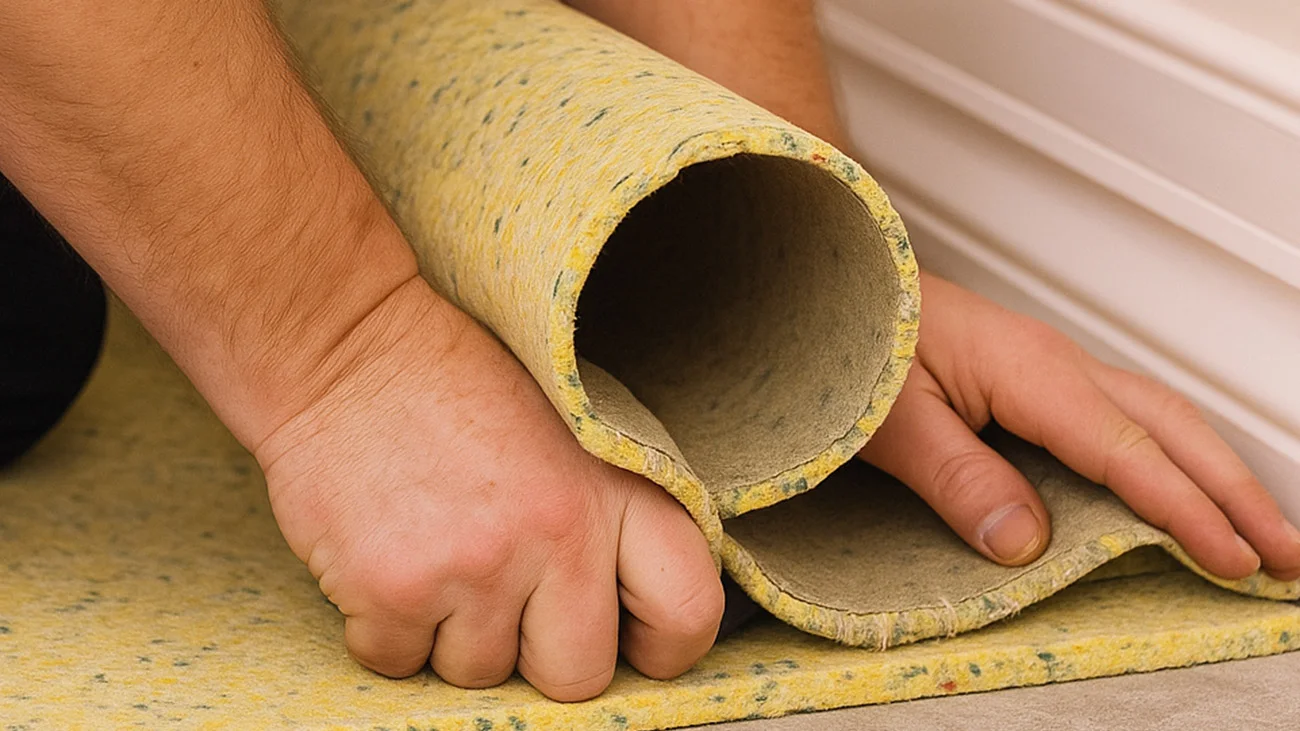
Sometimes the squeak isn’t coming from the structural floor at all—it’s the carpet underlay beneath your carpet. Worn, compressed, or poorly installed underlay can shift under foot traffic, creating friction between the carpet backing and the subfloor. Cheap or deteriorating underlay loses its cushioning properties and can actually amplify squeaks from the floor beneath rather than dampening them.
How to Identify the Source of the Squeak
You can’t fix what you can’t find. Locating the exact source of your squeaky floor is crucial for choosing the right repair method and avoiding unnecessary work. Here’s how to track down those noisy spots.
Walking Test to Pinpoint Noisy Areas
Start with a simple walking test. Remove furniture from the suspected area and walk slowly across the carpeted floor in a grid pattern, shifting your weight from heel to toe with each step. Have someone else observe from another room or mark the spots where they hear squeaking. Use masking tape or sticky notes to mark each squeaky area on the carpet surface. Pay attention to whether the squeak happens with light pressure or only when you apply your full weight—this can indicate how severe the gap or looseness is.
Locating Floor Joists Without Removing Carpet
Finding the joists beneath your carpet is essential for effective repairs. Use a stud finder designed for floor joists—run it across the carpet surface in the squeaky area, moving perpendicular to the direction you think the joists run (typically they run parallel to the shortest wall). Most Gold Coast homes have joists spaced either 450mm or 600mm apart. Once you find one joist, measure to locate the others. You can also tap gently on the floor—a solid thud indicates a joist below, while a hollow sound means you’re between joists.
Signs of Structural vs Surface-Level Problems
Not all squeaks are created equal. Surface-level squeaks are usually isolated to one or two spots, occur only with direct pressure, and sound relatively soft. These are often quick fixes. Structural problems, on the other hand, tend to cause widespread squeaking across larger areas, may be accompanied by visible sagging or bouncing in the floor, and often produce louder, deeper creaking sounds. If you notice uneven floors, bouncing when you walk, or squeaks that seem to travel across the room, you may be dealing with joist damage or foundation issues that require professional assessment.
Can You Fix Squeaky Floors Without Removing Carpet?
The short answer is yes—in most cases, you can silence squeaky floors without the hassle and expense of pulling up your carpet. But there are situations where carpet removal is the better or necessary option.
When DIY Repairs Are Possible
DIY fixes work well when the squeak is caused by loose subfloor-to-joist connections and you have clear access to locate the joists beneath the carpet. If the squeaking is limited to a few specific areas rather than widespread throughout the room, a do-it-yourself approach using breakaway screws or squeak repair kits can be highly effective. These solutions work best on timber subfloors with standard joist spacing and when you’re comfortable using basic tools like a drill and stud finder.
When Carpet Removal Is Necessary
Sometimes lifting the carpet is unavoidable. If your subfloor is severely damaged, rotted, or has extensive areas of delamination, you’ll need direct access for proper repairs or replacement. When the carpet underlay has deteriorated significantly and needs replacing, you’ll naturally have the carpet up anyway—making it the perfect time to address floor squeaks permanently. Carpet removal is also necessary if you’re dealing with multiple layers of old flooring, moisture damage, or if the carpet itself needs re-stretching due to rippling or loose installation.
Risks of Ignoring Floor Squeaks
While squeaky floors might seem like a minor annoyance, ignoring them can lead to bigger problems. The movement causing the squeak can worsen over time, potentially leading to loose boards, damaged subfloor, or even compromised structural integrity. The constant friction can wear down fasteners and create larger gaps, making future repairs more extensive and expensive. Additionally, squeaky floors can be a symptom of moisture issues or pest damage that deserve immediate attention. In Gold Coast’s humid climate, any sign of structural movement should be investigated sooner rather than later.
Best Methods to Stop Squeaky Floors Under Carpets
Now we’re getting to the practical solutions. These methods target the root cause of most floor squeaks: movement between the subfloor and joists. Here are the most effective ways to silence those noisy floors.
Using Breakaway Screws Through Carpet
Breakaway screws (also called snap-off screws) are specifically designed for fixing squeaky floors through carpet without damage. These specialty screws have a scored shank that allows the top portion to break away cleanly after installation, leaving the screw head just below the carpet surface. To use them, locate the joist, drill the screw through the carpet and into the joist below, then use the special tool to snap off the excess screw. The carpet fibres naturally cover the small hole, making the repair virtually invisible. This method works brilliantly for isolated squeaks and is the most popular DIY solution.
Securing the Subfloor to Joists
When breakaway screws aren’t enough, standard timber screws can provide a stronger hold between the subfloor and joists. Use screws that are long enough to penetrate through the carpet, underlay, and subfloor, then sink at least 40mm into the joist below. Pre-drill small pilot holes to prevent splitting the timber and ensure you’re hitting the joist squarely. Space screws about 200-300mm apart along the joist in the squeaky area. This method creates a more permanent fix but will leave slightly more visible marks in the carpet.
Fixing Squeaks From Below (Subfloor Access)
If you have access to the underside of your floor through a basement, crawl space, or from below in a multi-story home, you can fix squeaks without touching the carpet at all. Have someone walk on the floor above while you observe from below to identify movement between the subfloor and joists. Drive screws upward through the joist into the subfloor, being careful not to penetrate through the carpet. This approach gives you direct visual access to the problem and allows for the most precise repairs.
Adding Shims to Eliminate Movement
Timber shims are thin wedges that can be driven into gaps between the subfloor and joists to eliminate movement. From below the floor, identify where the subfloor has separated from the joist. Apply construction adhesive to a shim and gently tap it into the gap until it’s snug—but don’t force it, as over-shimming can actually raise the floor and create new problems. This method is excellent for addressing squeaks caused by shrinkage and gaps rather than loose fasteners.
Replacing or Reinforcing Carpet Underlay
Sometimes the underlay is the problem, not the subfloor. If your underlay has compressed significantly, developed hard spots, or deteriorated with age, replacing it can eliminate squeaks while also improving carpet comfort and extending its lifespan. Quality underlay provides cushioning that absorbs the impact of foot traffic and prevents the carpet backing from rubbing directly against the subfloor. This is often combined with subfloor repairs for a comprehensive solution. At Award Carpets Gold Coast, we stock premium underlay options that provide superior noise reduction and durability for Gold Coast’s climate.
Quick Fixes for Minor Floor Squeaks
Not every squeak requires screws and power tools. If you’re dealing with minor, occasional noise or want a temporary solution while you plan a more permanent fix, these simple methods might do the trick.
Applying Powdered Lubricants
Powdered graphite, talcum powder, or even powdered soap can work as a temporary squeak remedy. The powder acts as a dry lubricant that reduces friction between moving floor components. Sprinkle the powder generously over the squeaky area and work it into the carpet fibres by brushing or walking on it. The powder will filter down through the carpet and into the gaps between the subfloor and joists. This won’t fix the underlying movement, but it can quiet squeaks for weeks or even months. It’s completely safe for carpets and won’t cause staining or damage.
Increasing Indoor Humidity
During drier winter months or when you’re running air conditioning constantly, low indoor humidity can cause timber floors to contract and create gaps. Using a humidifier to maintain indoor humidity between 40-50% can help timber components expand slightly and close small gaps that cause squeaking. This is more of a preventative measure than a fix, but it can reduce seasonal squeaking and is good for your timber floors overall.
Temporary Padding Solutions
For isolated squeaks that you can’t address immediately, adding extra padding can help. Furniture coasters or felt pads placed strategically over squeaky spots can distribute weight more evenly and reduce the compression that causes the squeak. This won’t eliminate the noise completely, but it can make it less noticeable, especially under furniture legs or in low-traffic areas. Think of it as a bandaid solution until you can implement a proper repair.
Tools and Materials You’ll Need
Having the right tools makes floor squeak repairs much easier and more successful. Here’s what you should gather before starting your project.
Stud Finder and Drill
A quality stud finder that works through carpet is essential for locating floor joists accurately. Look for one with deep-scanning capability designed specifically for floors rather than walls. You’ll also need a cordless drill with variable speed control—start with low speed when drilling through carpet to avoid tangling fibres, then increase speed when penetrating the subfloor. A drill bit set with various sizes is helpful for creating pilot holes and driving screws.
Squeak Repair Kits and Screws
Purpose-made squeak repair kits (like the Squeak-No-More or Squeeeeek No More systems) include breakaway screws, a depth control fixture, and the specialty tool for snapping off the screw tops. These kits typically cost between $30-60 and contain enough materials for multiple repairs. Alternatively, you can purchase breakaway screws separately or use standard timber screws in 50-75mm lengths. Make sure screws are appropriate for timber construction and have good holding power.
Measuring and Marking Tools
A tape measure is crucial for finding joist spacing once you’ve located one joist. Masking tape or removable markers let you mark squeaky spots and joist locations on the carpet without causing damage. A pencil or marker for marking measurements helps keep track of your work. Some people find it helpful to create a simple grid diagram on paper, mapping out joist locations relative to room features like walls or doorways.
Safety Considerations Before Drilling
Before drilling into your floor, know what’s beneath it. Check for electrical wiring, plumbing, or HVAC ducts that might run through your floor joists—this is especially important in kitchens, bathrooms, and utility areas. Start with shorter screws in uncertain areas and gradually increase length if needed. Wear safety glasses to protect your eyes from drill debris, and be mindful of drill torque to avoid wrist strain. If you hit unexpected resistance, stop immediately—you may have encountered a nail, pipe, or wire.
Step-by-Step Guide to Fixing Squeaky Floors Under Carpet
Ready to silence those squeaks? Follow this systematic approach for the best results using the breakaway screw method—the most popular and effective DIY solution.
Step 1: Locate the Squeak
Clear the area of furniture and walk slowly across the floor to identify all squeaky spots. Mark each one with a small piece of masking tape placed directly on the carpet surface. Test each spot multiple times to confirm it squeaks consistently—some areas may only squeak with certain foot positions or weight distribution. If possible, have another person listen from a different room to help pinpoint the exact location. Group nearby squeaks together, as they may share the same joist and can be addressed in one session.
Step 2: Find the Joist
Use your stud finder to locate the joist beneath each marked squeak. Run the finder perpendicular to the expected joist direction (usually parallel to the shortest room dimension in Gold Coast homes). When you find a joist, mark its location with masking tape, then measure 450mm or 600mm to find the next joist and verify the spacing. Once you know the pattern, you can map all joists in the room. The squeak must be repaired by securing the subfloor to the joist, so identifying the correct joist location is critical—missing the joist is the most common mistake in DIY squeak repairs.
Step 3: Drive Screws Through Carpet
Set up your breakaway screw in the depth control fixture according to the kit instructions. Position the fixture directly over the squeak at the joist location. Start drilling slowly to penetrate the carpet fibres without tangling them around the drill bit. You’ll feel resistance change as you pass through the underlay, hit the subfloor, and finally reach the joist. Continue until the screw is fully seated and the depth control fixture prevents you from going deeper. The screw should pull the subfloor tight against the joist, eliminating the gap that caused the squeak.
Step 4: Secure and Test the Area
Once the screw is fully driven, use the special snapping tool (or locking pliers if not included) to grab the screw shank just above the carpet surface. Rock the tool back and forth to snap off the scored portion of the screw. The break should be clean and just beneath the carpet fibres. Brush the carpet with your hand to work the fibres over the screw location and hide the small hole. Now test the repair by walking on the spot with normal pressure. If the squeak persists, you may need an additional screw nearby or along the same joist.
Step 5: Repeat for Persistent Noise
Some squeaks require multiple screws to eliminate completely. If the first screw reduced but didn’t eliminate the squeak, add another screw 150-200mm along the same joist. For larger squeaky areas, you may need three or four screws spaced evenly across the problem zone. Continue testing after each screw until the squeak disappears. Be patient—this systematic approach is much more effective than randomly drilling multiple holes hoping to hit the right spot.
Common Mistakes to Avoid
Even straightforward squeak repairs can go wrong if you’re not careful. Here are the most frequent mistakes homeowners make and how to avoid them.
Missing the Joist When Screwing
Driving a screw between joists instead of into one is frustrating and ineffective—the screw has nothing solid to anchor into, so it won’t pull the subfloor tight or eliminate movement. This wastes materials and leaves unnecessary holes in your carpet. Take time with the stud finder to precisely locate joists before drilling. If you encounter little resistance after penetrating the subfloor, you’ve probably missed the joist—stop, reassess the joist location, and try again nearby. Don’t just keep drilling holes hoping to eventually hit timber.
Using the Wrong Type of Screws
Standard drywall screws or multi-purpose screws aren’t ideal for floor repairs. They don’t have the holding power of proper timber screws, and their threads may not grip well in older, harder timber joists. Using screws that are too short means they won’t reach the joist or won’t penetrate deeply enough for a solid hold. Too-long screws risk penetrating through the joist and damaging electrical wiring or plumbing below. For most Gold Coast homes with standard subfloor-to-joist construction, 50-60mm screws work well, but adjust based on your specific floor thickness.
Over-Tightening and Damaging Carpet
Applying too much torque when driving screws can pull the carpet backing away from the fibres, create visible dimples in the carpet surface, or even break the screw shank prematurely before it’s properly seated. Use your drill’s torque control setting if available, starting with a lower setting and increasing as needed. Stop as soon as you feel firm resistance—the goal is to pull the subfloor snug against the joist, not to crush the timber. With breakaway screws, the depth control fixture should prevent over-penetration, but you still need to monitor the pressure.
Ignoring Underlying Structural Issues
Repeatedly fixing squeaks in the same area or dealing with widespread squeaking throughout your home may indicate bigger problems—damaged joists, inadequate structural support, foundation settling, or moisture damage. Addressing symptoms without investigating the cause means squeaks will likely return or worsen. If you notice sagging floors, bouncing when you walk, cracks in walls or ceilings near squeaky areas, or visible water damage, it’s time for a professional inspection. These are signs that simple screw repairs won’t solve the underlying issue.
When to Call a Professional Carpet Installer
While many squeak repairs are suitable for DIY, some situations call for professional expertise and equipment. Here’s when to put down the drill and pick up the phone.
Persistent or Widespread Squeaks
If you’ve attempted repairs and the squeaking persists, or if squeaks quickly return after seemingly successful fixes, there’s likely a deeper issue at play. Widespread squeaking across multiple rooms or throughout an entire level of your home suggests structural problems beyond simple loose subfloors—possibly foundation settlement, inadequate joist sizing, or moisture-related deterioration. Professional carpet installers have experience diagnosing these complex problems and can determine whether you need flooring installation work or structural repairs.
Damaged Subfloor or Joists
If your floor inspection reveals rotted timber, severe water damage, broken joists, or deteriorated subfloor panels, professional repairs are essential. These problems require partial or complete subfloor replacement, joist reinforcement, or sister joisting—work that demands carpentry skills, proper materials, and understanding of structural building codes. Attempting these repairs without expertise can compromise your home’s structural integrity and safety. At Award Carpets Gold Coast, our team can assess subfloor damage and coordinate appropriate repairs before reinstalling your carpet.
Carpet Re-Stretching or Replacement Needs
Sometimes floor squeak investigations reveal that your carpet itself has issues—rippling, loose installation, worn-out backing, or general deterioration. If the carpet needs professional re-stretching or has reached the end of its lifespan, this is the perfect opportunity to address floor squeaks properly before new carpet installation. Professional installers can lift the carpet, make permanent subfloor repairs, install quality underlay, and reinstall or replace your carpet with proper stretching for a completely refreshed, quiet floor. It’s more cost-effective to handle everything together rather than in separate projects.
How Professional Carpet Services Can Help
When you choose professional carpet services for squeak repairs, you’re getting more than just someone with tools—you’re accessing expertise, quality materials, and comprehensive solutions that DIY approaches can’t match.
Subfloor Inspection and Repairs
Professional installers have the experience to quickly identify the exact cause of squeaking—whether it’s loose fasteners, structural damage, moisture issues, or installation problems. They can access the subfloor from above or below, assess the condition of joists and bracing, and identify problems that aren’t obvious to homeowners. Repairs are done properly using appropriate fasteners, adhesives, and reinforcement techniques that meet building standards. This thorough approach ensures squeaks are fixed permanently, not just temporarily quieted.
High-Quality Underlay Installation
One of the most overlooked factors in preventing floor squeaks is proper underlay selection and installation. Professional installers understand which underlay types work best for different subfloor conditions and carpet styles. Quality underlay cushions the carpet, absorbs impact, and creates a barrier that reduces friction between carpet backing and the subfloor—all of which help prevent squeaks. At Award Carpets Gold Coast, we stock premium Australian underlay brands that provide superior noise reduction and durability, properly matched to Gold Coast’s coastal climate conditions.
Carpet Reinstallation and Stretching
If carpet removal is necessary for subfloor access, professional reinstallation ensures your carpet is properly stretched and secured using power stretchers—not just knee kickers. Proper stretching eliminates ripples, prevents premature wear, and ensures the carpet sits firmly against the underlay and subfloor, reducing movement that can contribute to squeaking. Professional installation also includes proper seaming if required and attention to edges and transitions that affect long-term carpet performance.
Long-Term Noise Prevention Solutions
Beyond fixing current squeaks, professional services include preventative measures that reduce the likelihood of future problems. This might include upgrading to moisture-resistant subfloor materials in humidity-prone areas, installing vapour barriers in Gold Coast’s coastal environment, using construction adhesive in addition to fasteners for superior subfloor-to-joist bonding, and selecting carpet and underlay combinations that naturally reduce noise transmission. Professionals think holistically about your flooring system, not just the immediate squeak.
Preventing Squeaky Floors in the Future
An ounce of prevention is worth a pound of cure, especially when it comes to floor squeaks. Here’s how to keep your floors quiet for years to come.
Proper Carpet and Underlay Installation
Prevention starts with quality installation. When installing new carpet or replacing existing flooring, ensure your installer uses appropriate fastening methods for the subfloor—screws generally provide better long-term hold than nails alone. Specify quality underlay appropriate for your traffic levels and climate conditions—cheaper underlay may save money initially but deteriorates faster and provides less cushioning to prevent squeaks. Proper carpet stretching during installation prevents the carpet from shifting and creating friction against the subfloor. At Award Carpets Gold Coast, we’ve been providing expert flooring installation for over 30 years, and we know that doing it right the first time prevents problems down the track.
Regular Floor Maintenance
Simple maintenance practices help preserve your floor structure and prevent squeaks from developing. Vacuum regularly to prevent dirt and grit from working into carpet fibres and underlay, which can cause abrasion and deterioration over time. Address spills immediately to prevent moisture from seeping through to the subfloor—moisture is one of the primary causes of timber movement and loosening fasteners. Inspect high-traffic areas periodically for signs of carpet wear, loosening, or developing soft spots that might indicate subfloor issues. Catching problems early makes repairs easier and less expensive.
Managing Moisture and Humidity Levels
Gold Coast’s coastal climate brings humidity challenges that directly affect timber floors. Maintain consistent indoor humidity levels between 40-50% using dehumidifiers during humid periods and humidifiers during dry months when air conditioning runs constantly. Ensure proper ventilation in subfloor spaces—crawl spaces should have adequate vents to prevent moisture buildup that can warp or rot timber. Fix roof leaks, plumbing leaks, and drainage issues promptly, as water infiltration is devastating to timber subfloors and joists. In bathrooms, kitchens, and laundry areas, consider using waterproof underlayment beneath carpet to protect the subfloor from moisture damage.
Final Thoughts on Fixing Squeaky Floors Under Carpets
Squeaky floors don’t have to be a permanent feature of your Gold Coast home. With the right approach, most squeaks can be eliminated effectively—whether you tackle them yourself or call in professional help.
Choosing the Right Fix for Your Situation
The best solution depends on your specific circumstances. For isolated, minor squeaks with easily accessible joists, DIY repairs using breakaway screws are cost-effective and successful. If you’re dealing with widespread squeaking, visible floor damage, or uncertainty about the underlying cause, professional assessment is the smarter choice. Consider the age and condition of your carpet too—if it’s nearing the end of its lifespan, combining squeak repairs with new carpet installation makes practical and financial sense.
Balancing DIY vs Professional Solutions
There’s no shame in starting with DIY repairs for a few squeaky spots—it’s a relatively simple process that many homeowners can handle successfully. However, know your limits. If you’re not comfortable using power tools, lack confidence in locating joists accurately, or discover problems beyond simple loose subfloors during your investigation, professional help is worth the investment. The cost of professional repairs is usually far less than fixing mistakes from ambitious DIY attempts or addressing damage that worsened while being ignored.
Trust Award Carpets Gold Coast for All Your Flooring Needs
When it comes to keeping your Gold Coast home comfortable, quiet, and looking its best, proper flooring makes all the difference. Whether you’re battling squeaky floors, considering new carpet installation, or exploring your flooring options, Award Carpets Gold Coast has you covered.
We’ve been helping Gold Coast families with their flooring needs for over 30 years. As an independent family-run business, we combine competitive pricing with exceptional service and genuine expertise. We stock leading carpet brands alongside unique boutique lines you won’t find at big-box retailers. Our installation team handles everything from subfloor repairs and underlay upgrades to precision carpet stretching and complete room makeovers.
Understanding the benefits of carpet flooring goes beyond just aesthetics—properly installed carpet with quality underlay provides comfort, noise reduction, insulation, and safety benefits that hard flooring simply can’t match. And when your carpet is installed correctly over a well-maintained subfloor, those annoying squeaks won’t be part of the equation.
If you’re dealing with persistent floor squeaks, planning a renovation, or simply ready to upgrade your tired old carpet, come visit our showroom or shop online to explore our extensive range. Need advice on the best solution for your specific situation? Give our team a call and book your free quote today. We’ll help you find the perfect flooring solution that’s practical, stylish, and built to last in Gold Coast’s unique climate—without the squeaks.