Best Flooring for Kids

Choosing the right floor for a child’s bedroom or playroom is all about balancing safety, comfort, and practicality. Young children often spend hours crawling and playing on the floor, so warmth and softness underfoot are important. At the same time, kids are messy and active – from spilled juice to thrown toys – so the floor must be durable and easy to clean.
In a Gold Coast home, where sandy feet and humidity are part of daily life, that means looking for low-maintenance, water-resistant options (Award Carpets stocks vinyl that takes the Gold Coast hustle without a fuss). In short, the best kid-friendly flooring is one that can handle rough treatment yet stay comfortable and safe for little feet.
Hardwood Flooring
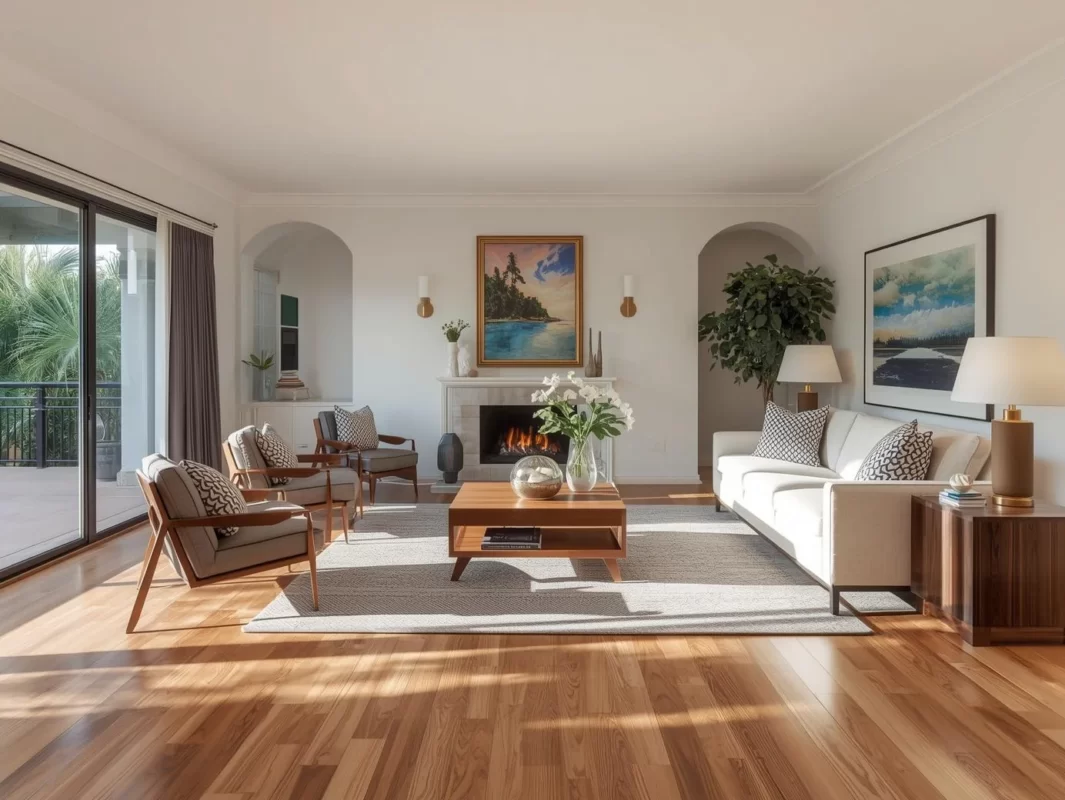
Hardwood (timber) floors are timeless and can even increase your home’s value. Solid wood is a natural, non-toxic material that’s easy to sweep or mop clean. A quality finish makes them fairly durable and resistant to stains, and if they do get scratched by toys or bikes, you can sand and refinish them down the track. Award Carpets carries prefinished timber flooring planks that help protect against everyday dents and spills.
- Pros: Non-toxic and attractive; easy to clean (just sweeping/wiping); can be sanded and refinished once your children grow; not a magnet for dust or allergens. Warm wood tones also look great with Gold Coast style and let you change rugs or decor as kids’ tastes change.
- Cons: Hardwoods do scratch and dent more easily than softer floors. The surface is hard (low cushioning), so falls are more jarring on toddlers. They also cost more upfront than laminate or vinyl. Overall, wood floors suit older kids and teens (who appreciate the style and can keep them clean), but we usually advise parents to use rugs or cushions in toddler spaces for safety.
Laminate Flooring
Laminate is an affordable synthetic plank that mimics wood or stone. It’s very durable and budget-friendly – often about half the price of hardwood. A laminate’s tough, scratch-resistant top layer and dense core resist everyday wear, dropped toys and stains. Like real wood, laminate cleans up with a quick sweep and damp mop (no special cleaners needed). Floor installation is typically fast and DIY-friendly, and Award Carpets’ laminate flooring range includes kid-friendly styles in many colours and wood looks.
- Pros: Affordable, easy to install and replace; scratch- and stain-resistant surface; looks like hardwood; low maintenance (sweep or vacuum + damp mop). It’s lightweight and can be installed over many subfloors.
- Cons: Laminate can be slippery when wet (watch out for spills with toddlers). It also tends to be harder and noisier underfoot than vinyl or carpet. Importantly, laminate is not waterproof, so any liquid spills should be wiped up quickly to avoid swelling. For toddlers, extra padding or rugs can help soften sound and falls. Laminate is well-suited to older children and teens as a value wood-look floor, but we don’t generally recommend it where very young kids play constantly on the floor.
Luxury Vinyl Plank
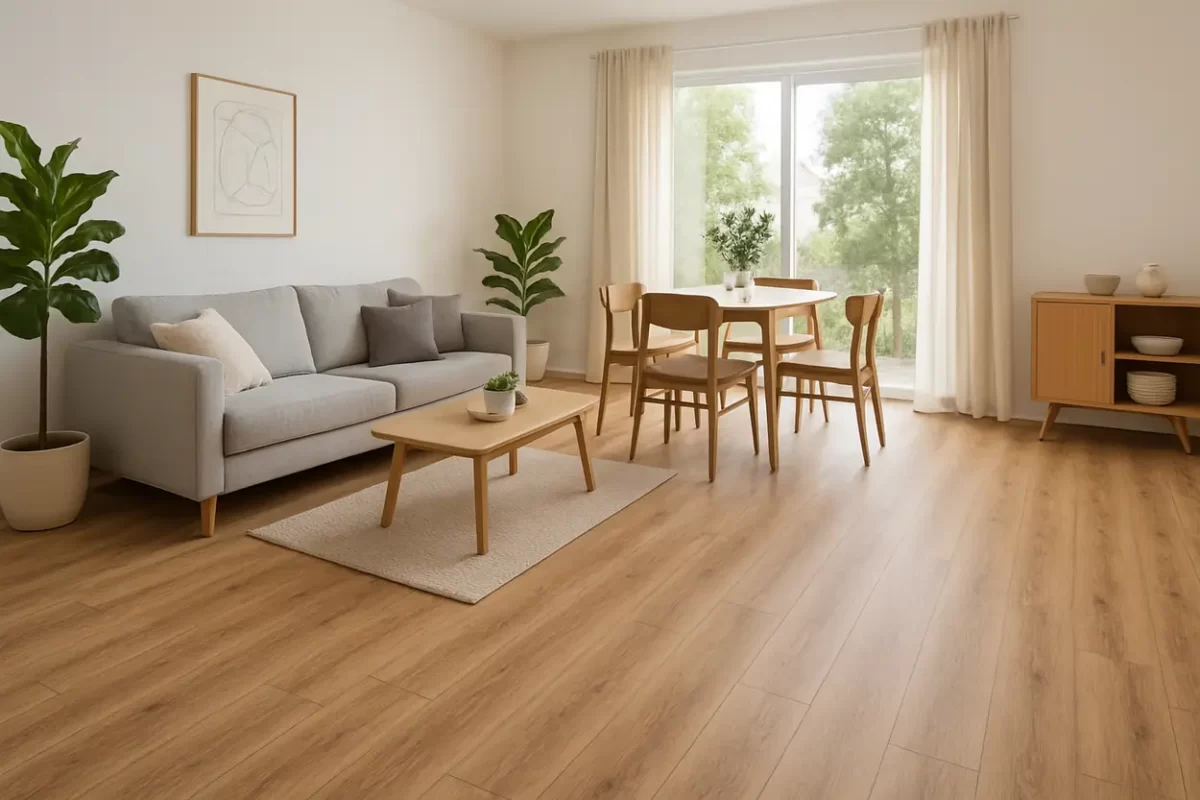
Luxury Vinyl Plank (LVP) has become a Gold Coast favorite because it’s extremely practical for families. Like laminate, it can mimic wood or tile, but unlike real hardwood it’s 100% waterproof. Vinyl is naturally scratch-resistant and spill-proof – it handles muddy feet, juice spills, even pet accidents without damage. It also tends to be softer underfoot than tile or timber, cushioning little knees and reducing noise. In fact, a foam-backed vinyl planks adds warmth and sound insulation (perfect for an upstairs playroom). Award Carpets carries vinyl flooring and LVP in dozens of different designs – you can get wood-look planks, or stone tile patterns to match any decor.
- Pros: Waterproof, scratch-resistant, stain-resistant – stands up to spills and energetic play. Soft underfoot and quiet (most kids prefer the gentle “bounce” of vinyl). Very easy to clean (just sweep or vacuum and wipe). Often cheaper than hardwood. Many phthalate-free, low-VOC vinyl options ensure a safe indoor air quality for kids.
- Cons: Vinyl can feel cooler than carpet, so tile or stone-look vinyl may seem a bit hard under bare feet. (Area rugs can add warmth where you need it.) Unlike solid wood, you can’t refinish vinyl planks; very deep scratches would require replacing planks. In summary, LVP is tough and versatile for all ages – toddlers benefit from the soft, slip-resistant surface, and teens love the high-end look without the price tag.
Carpet Tile
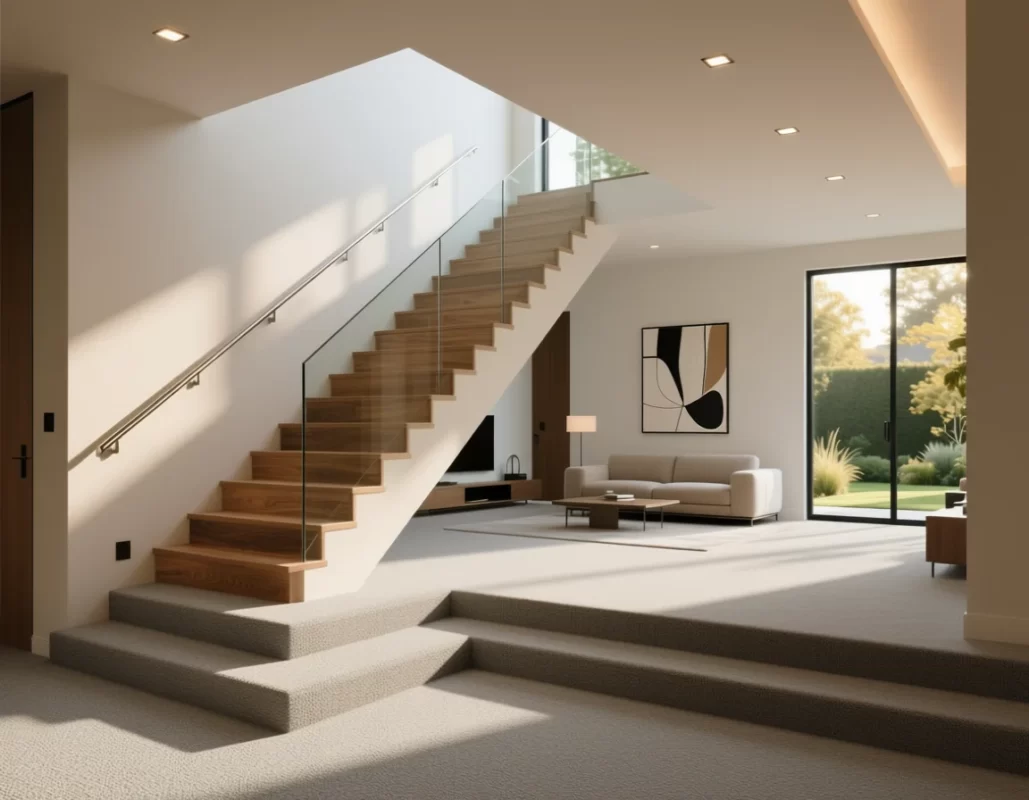
Carpet tiles offer the comfort of carpet with a clever twist for families. Each tile is a small square of carpet – soft, warm and cushioning like broadloom carpet – but if one section gets stained or worn, just replace that tile instead of redoing the whole floor. Many carpet tiles come with stain- and soil-resistant fibers, making them quite durable in kids’ rooms. They also muffle sound wonderfully and give toddlers a cozy crawl space.
- Pros: Plush underfoot and safe: carpet tiles create a cozy carpet-like surface that cushions tumbles. They are often treated for stain and bacteria resistance, and designed for heavy traffic. Easy spot-fixes: any stained or damaged square peels out so you can replace just that piece. Comes in many colors/patterns for a fun kid’s design.
- Cons: Carpet (tile) still requires regular vacuuming and cleaning to look its best (pet hair and dust hide in fibers). It’s also a bit more expensive up front and installs slower than vinyl or laminate, although installation is usually DIY-friendly. Carpet can trap allergens, so not ideal if your child has dust allergies. Overall, carpet tile is great for toddlers and playrooms (warm, noise-absorbing, forgiving on falls); older kids and teens may find it less in vogue, but it remains a cozy bedroom choice.
Rubber Flooring
Rubber floors aren’t common in homes, but they’re an excellent choice for play areas or kids’ gyms. Commercial rubber tile or poured rubber is amazingly shock-absorbent – just 4–5 inches of cushion can safely absorb even a 10-foot fall. In practice, a rubber play-mat or tile under kids’ play structures can noticeably soften rough landings. Rubber is also chemically inert and allergen-free (no phthalates, no splinters), so it’s safe for infants or kids with sensitivities. Its dense composition provides good sound reduction – jumping on rubber floors isn’t as loud as tile or wood.
- Pros: Ultimate fall protection: rubber is one of the most shock-absorbing residential flooring options. It’s slip-resistant and non-splintering, and easily cleaned with warm water and a mop. Durable under heavy use, and naturally insulates sound and heat. Also safe and chemical-free.
- Cons: Rubber is usually more expensive and has limited color/design options. Installation (especially poured or larger tiles) is often best left to pros. It can also feel firm in cooler climates (not a big issue on the Gold Coast). We typically recommend rubber for dedicated playrooms, nurseries or home gyms where safety padding is a priority. For a child’s bedroom, rubber might be overkill – but for a busy activity room, it’s a smart pick.
Cork Flooring
Cork is a natural, eco-friendly flooring with a soft, cushioned feel – almost like nature’s memory foam. Its built-in resilience makes it comfortable underfoot, so it gently cushions little knees during play. Cork’s cellular structure also provides thermal and acoustic insulation, keeping the room warm and quieter. It’s hypoallergenic, repels insects, and even resists mold and mildew – excellent for a healthy nursery or bedroom. And of course, cork is renewable (harvested without harming trees) and biodegradable, checking the eco-friendly box for green-conscious families.
- Pros: Ultra-soft and warm: cork’s spongy surface makes falling kids’ landings gentler. It feels warm under bare feet and reduces sound. It’s natural and sustainable, and its cork oil naturally resists insects and microorganisms. DIY-friendly – many plank cork products simply click together.
- Cons: Cork isn’t as hard as wood. It can scratch or dent under heavy furniture or heels, so we recommend it for lighter-use areas. It also needs sealing to resist water; spills should be wiped up quickly or they can stain. While not the toughest option, cork’s advantages in warmth, comfort and eco-friendliness make it a lovely nursery or small child floor. We suggest adding rugs in older kids’ rooms for a pop of style and extra cushioning.
Bamboo Flooring
Bamboo is a hardwood alternative that’s both stylish and planet-friendly. It’s harder than many domestic woods, especially strand-woven bamboo, giving it excellent scratch and dent resistance. Bamboo planks are generally water-resistant and hold up well under heavy foot traffic – great for Gold Coast homes and energetic teens. It comes in many modern finishes from pale to espresso tones, fitting contemporary kids’ room designs.
- Pros: Durable and green: bamboo grows back after harvesting, so it’s renewable. It handles kids and pets well: “strain-woven” bamboo floors stand strong under daily use. It’s often less expensive than exotic hardwood, giving a similar look for less.
- Cons: Bamboo can still scratch or swell if water sits too long. Like wood, it needs a strong finish to protect it from rough play. It’s also sensitive to humidity changes (seal well to prevent warping). Strand-woven bamboo can be pricey compared to other engineered floors. Overall, bamboo suits families who want a stylish, natural look and are okay investing a bit more in quality. Teens and eco-conscious parents often love it.
Flooring Comparison
| Flooring | Safety (cushioning) | Durability | Cleaning | Cost | Softness |
| Hardwood (Timber) | Medium (hard surface) | High (refinishable) | Medium (sweep/mop) | High | Low (hard) |
| Laminate | Medium (hard & springy) | High (scratch-resistant) | High (sweep/mop) | Low | Low (hard) |
| Luxury Vinyl | High (cushioned, slip-resist) | High (waterproof) | High (simple sweep) | Low | Medium |
| Carpet Tile | High (plush cushioning) | Medium (stain-treated) | Medium (vacuum/spot) | Medium/High | High (very soft) |
| Rubber | Very High (shock-absorb) | High (extremely durable) | High (mop/wipe) | Medium/High | Very High (very soft) |
| Cork | High (cushioned) | Low–Medium (scratchable) | High (sweep/mop spill) | Medium | High (soft) |
| Bamboo | Medium (solid) | High (very durable) | Medium (sweep/mop) | Medium/High | Low (hard) |
Key: Safety = how well it cushions falls; Durability = scratch/wear resistance; Cleaning = ease of spills; Cost = material expense; Softness = underfoot comfort.
To decide, think about your child’s age and room use. Toddlers and small children benefit most from softer floors like carpets, cork or rubber, which cushion falls and keep play safe. These also keep baby toys quiet and rooms cozy.
Teenagers, on the other hand, may care more about look and durability, leaning toward wood, high-end vinyl or even laminate. (Luckily, on the Gold Coast you can always throw down a fun area rug if the teens want extra warmth or texture.)
Above all, prioritize a surface that handles your family’s routine. Active families often choose vinyl or laminate for everyday rooms (spills and sand are no match). Kids’ bedrooms or play areas might use carpet or rubber for comfort. No matter what, each option has its pros and cons, so weigh safety, wear-and-tear, cleaning needs and style before deciding.
Our team at Award Carpets Gold Coast is here to help – we stock a huge range of flooring options, and can guide you to the best floor that looks great and stands up to life with kids.
Whatever you pick, the right floor will keep the room fun, practical and family-friendly. That way, you spend more time enjoying memories with your little ones – and less time worrying about spills, scrapes or stains. Good luck, and don’t hesitate to drop into our Gold Coast showroom or call Award Carpets for advice!