The Best Kitchen Flooring Options for Your Gold Coast Home

Choosing the right kitchen flooring is one of the most important decisions you’ll make during your home renovation journey. As the heart of your home, your kitchen floor needs to be durable, water-resistant, and stylish enough to complement your design vision.
On the Gold Coast, where sandy feet and humidity are part of daily life, selecting the best kitchen flooring becomes even more crucial.
Whether you’re renovating your existing kitchen or building new, understanding your kitchen flooring options will help you make an informed decision that balances practicality with style.
From timber flooring to vinyl kitchen floors, each material offers unique benefits and considerations that suit different lifestyles and budgets.
Kitchen Flooring Options
The modern kitchen flooring landscape offers an impressive array of materials, each designed to meet specific needs and preferences. Today’s kitchen flooring options have evolved significantly, with manufacturers focusing on creating surfaces that can withstand the unique challenges of kitchen environments while maintaining aesthetic appeal.
Waterproof flooring has become increasingly popular among Gold Coast homeowners, and for good reason.
The kitchen is arguably the most challenging room in your home for flooring, experiencing constant foot traffic, spills, temperature fluctuations, and humidity from cooking. These harshest environments require flooring that can stand up to daily abuse while looking great for years to come.
When considering flooring options, it’s important to choose materials that offer the perfect balance of durability, water resistance, and visual appeal. The flooring types available today include traditional options like timber floors and stone tile, as well as modern innovations like hybrid flooring and luxury vinyl flooring.
Timber (Wood) Flooring for Kitchens
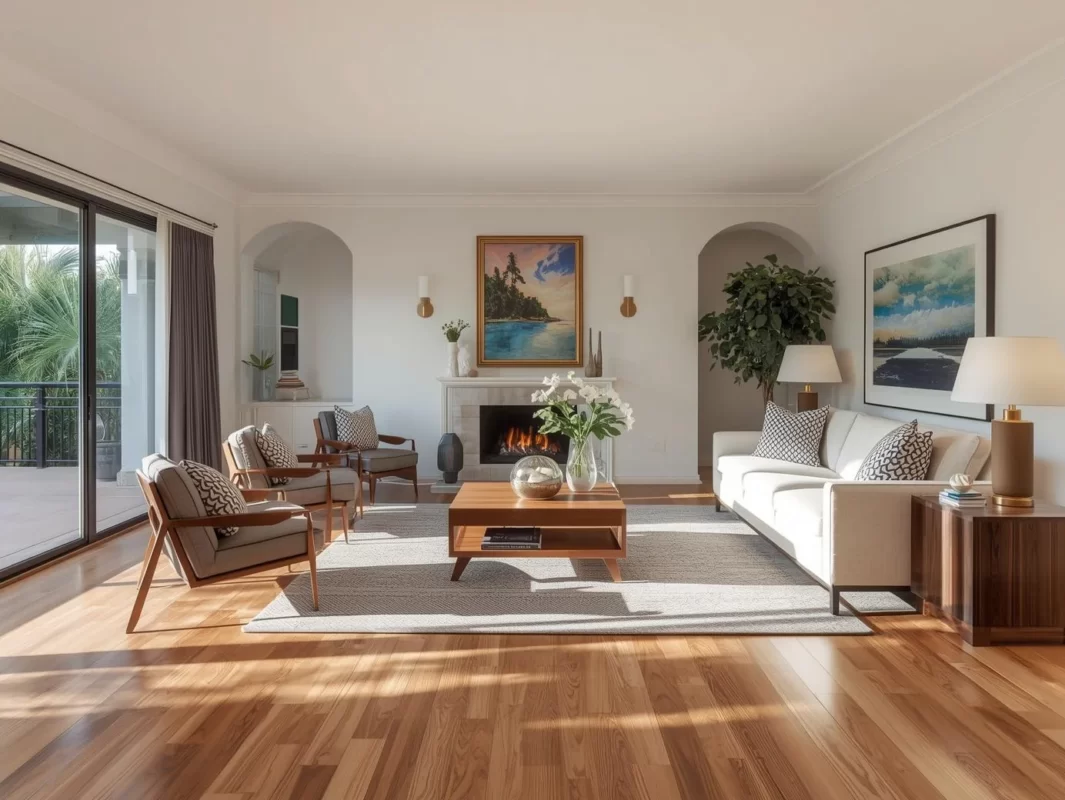
Timber flooring remains one of the most sought-after kitchen flooring options, offering natural warmth and timeless appeal that incorporates natural beauty into your space. However, not all wood flooring is created equal, and understanding the differences between solid timber and engineered timber is crucial for making the right choice for your kitchen.
Solid Timber Flooring
Solid timber flooring offers the ultimate in authenticity and longevity. Made from real wood throughout, these floorboards can be refinished multiple times, allowing your floor to stand the test of time. Solid timber floors develop character and natural warmth that many homeowners find irresistible.
However, solid timber flooring faces significant challenges in kitchen environments. Traditional timber flooring is susceptible to water damage, and spills must be cleaned immediately to prevent staining and warping. The natural material tends to expand and contract with temperature and humidity changes, which can be problematic in kitchens where these fluctuations are common.
Engineered Timber Flooring
Engineered timber flooring offers a great floor solution that combines the beauty of real wood with enhanced stability. These floors feature a real wood veneer over a multi-layered core, typically made from plywood or high-density fiberboard. This construction makes engineered timber floors more water-resistant than solid timber, though they still require prompt attention to spills.
Engineered timber floors are perfectly suitable for kitchens when properly maintained. They offer excellent durability and can handle the high-traffic areas typical of busy kitchens. The floating floor installation method makes them relatively easy to install, and they can be refinished several times, though not as many as solid timber.
| Timber Flooring Type | Pros | Cons |
| Solid Timber | Authentic real wood, can be refinished many times, natural warmth | Water-resistant issues, expansion and contraction, higher cost |
| Engineered Timber | More stable, water-resistant, easier installation | Limited refinishing options, not completely waterproof |
The key to successful timber kitchen flooring lies in proper installation and maintenance. Engineered timber floors with their protective coating and hard-wearing top coat can provide years of beautiful service when spills are addressed promptly and regular maintenance is performed.
Vinyl Kitchen Flooring
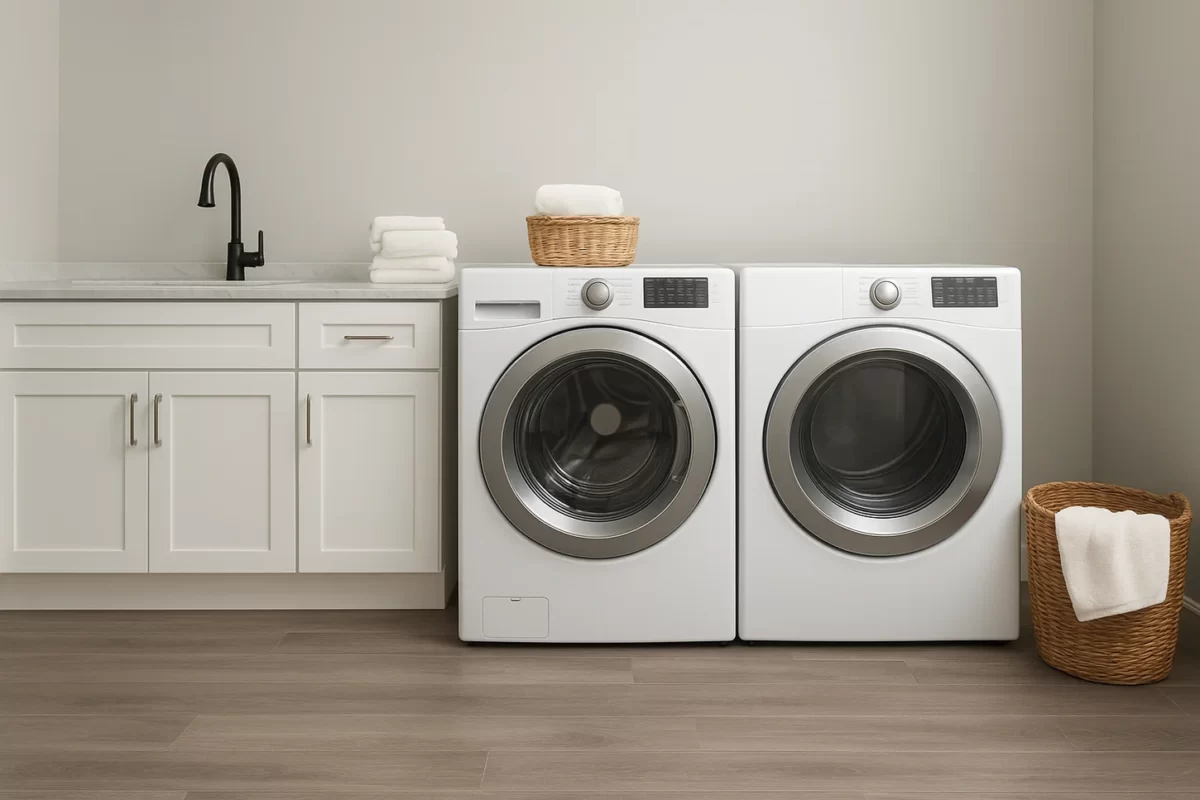
Vinyl flooring has undergone a remarkable transformation in recent years, evolving from basic sheet materials to sophisticated luxury vinyl plank (LVP) and luxury vinyl tile (LVT) options that rival the appearance of natural materials. For Gold Coast kitchens, vinyl flooring offers an excellent option that combines affordability, durability, and water resistance.
Modern Vinyl Flooring Technology
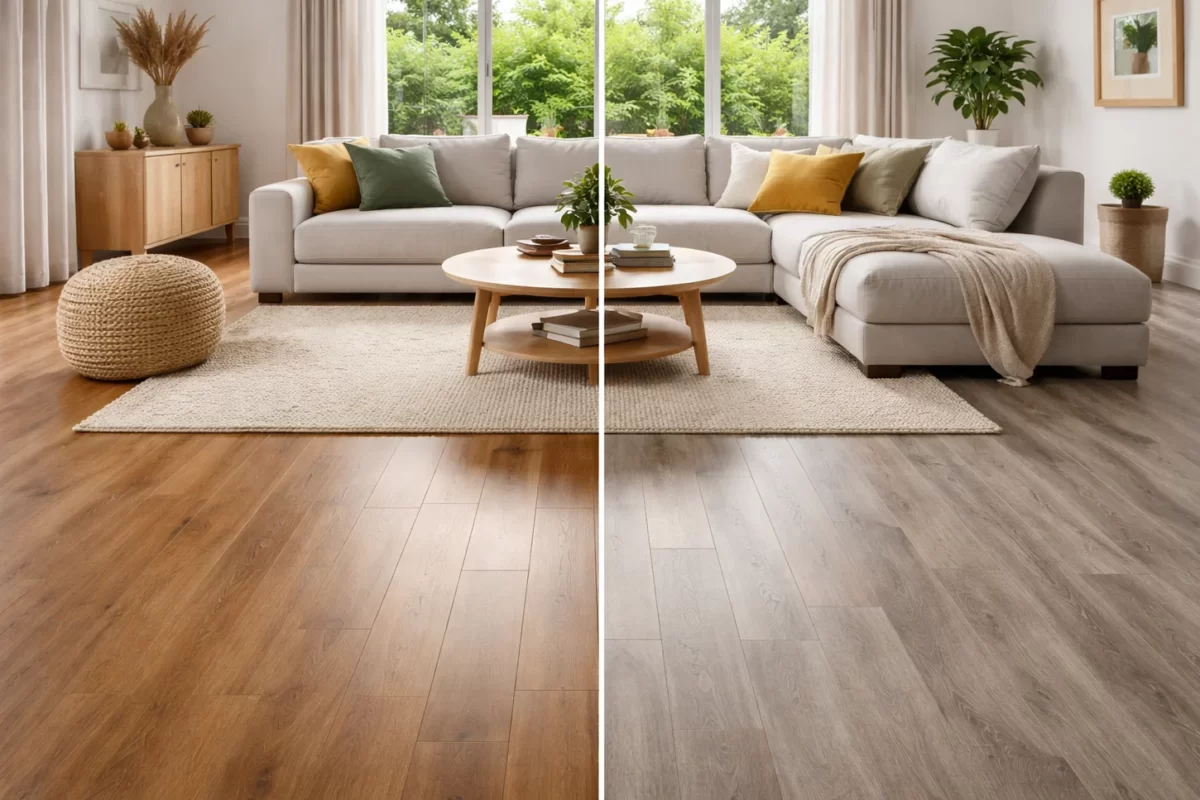
Today’s vinyl flooring utilizes digital imaging technology and advanced manufacturing to create floors that are virtually indistinguishable from real wood and stone surfaces.
Vinyl synthetic materials are coated with protective layers that provide extraordinary toughness and resistance to everyday wear and tear.
Vinyl floors are completely waterproof, making them ideal for kitchens where spills are inevitable. Unlike timber floors, vinyl flooring won’t warp or buckle when exposed to moisture, and they can withstand standing water without damage. This water resistance makes vinyl an excellent choice for busy family kitchens.
Benefits of Vinyl Flooring
Vinyl flooring offers numerous advantages for kitchen applications:
- Completely waterproof surface that handles spills with ease
- Durable construction that resists scratches, dents, and stains
- Soft underfoot feel that provides comfort during long cooking sessions
- Easy to clean and maintain with simple mopping
- Budget-friendly option that doesn’t compromise on style
- Wide range of designs and colors to suit any décor
Vinyl kitchen flooring is particularly well-suited to Gold Coast homes where moisture and humidity are concerns. The resilient nature of vinyl means it can handle the constant exposure to water and fluctuating temperatures that characterize busy kitchens.
Installation and Maintenance
Vinyl flooring installation is straightforward, with most products featuring click-lock joints that allow for floating floor installation. This method is DIY-friendly and can be completed relatively quickly, minimizing disruption to your kitchen.
Maintenance of vinyl floors is extremely simple. Regular sweeping and damp mopping are typically all that’s required to keep your vinyl flooring looking great. The waterproof nature means you don’t need to worry about liquid spills – they can be cleaned up at your convenience without fear of damage.
Hybrid Kitchen Flooring
Hybrid flooring represents the latest innovation in kitchen flooring technology, combining the best aspects of laminate and vinyl flooring to create a perfect kitchen floor solution. This hybrid kitchen flooring offers the natural warmth and texture of timber with the water resistance and durability needed for kitchen environments.
What Makes Hybrid Flooring Special
Hybrid flooring construction typically includes:
- Vinyl print layer that provides realistic wood or stone appearance
- Recycled timber or stone core infused with protective materials
- Waterproof backing that prevents moisture penetration
- Protective coating that resists scratches and stains
This step-by-step construction process creates a floor that takes the best characteristics from multiple flooring types. The result is a floor that combines the hygienic nature of vinyl with the durability of laminate and the water-resistance needed for kitchens.
Advantages of Hybrid Flooring
Hybrid flooring offers several benefits that make it an excellent option for kitchens:
- Waterproof construction that handles spills and moisture
- Durable surface that resists impacts, scratches, and stains
- Comfortable underfoot feel with soft cushioning
- Easy to clean and maintain
- Realistic appearance that mimics natural materials
- Affordable price point compared to solid timber
Hybrid floors are designed to handle the everyday abuse that kitchen floors endure. They can withstand dropped cutlery, food spills, and heavy foot traffic without showing signs of wear.
Stone and Tile Kitchen Flooring
Stone tile flooring and ceramic tile remain popular choices for kitchens, offering incredible durability and water resistance. These hard-wearing surfaces can last for generations with proper care, making them an excellent investment for your home.
Types of Kitchen Tiles
Kitchen flooring tiles come in several varieties:
- Ceramic tiles: Affordable and water-resistant, available in countless designs
- Porcelain tiles: Extremely durable and stain-resistant, ideal for high-traffic areas
- Natural stone tiles: Unique patterns and textures with timeless appeal
- Stone tile floors: Hard-wearing surfaces that can withstand heavy use
Benefits of Tile Flooring
Tile flooring offers numerous advantages for kitchen applications:
- Completely waterproof when properly installed
- Extremely durable and long-lasting
- Stain-resistant and easy to clean
- Timeless design that suits various décor styles
- Natural character that adds depth to your kitchen
- Variety of colors, patterns, and surface variations
Stone tile and ceramic tile can incorporate natural character into your kitchen design, with surface variations that add depth and visual interest. The incredible durability of these materials means they can stand impacts and heavy objects without damage.
However, tile floors do have some considerations. They can be hard underfoot, which may be uncomfortable for extended standing periods. Additionally, stone tiles are susceptible to cracking from heavy impacts, and grout lines require regular maintenance to prevent staining.
What is the Best Flooring for a Kitchen?
The best kitchen flooring depends on your specific needs, lifestyle, and budget. However, certain characteristics make some flooring types more suitable for kitchens than others:
Essential Kitchen Flooring Characteristics
Good kitchen flooring should possess:
- Water resistance or waterproof properties
- Durability to handle daily wear and impacts
- Easy maintenance and cleaning
- Slip resistance for safety
- Comfort underfoot for extended standing
- Aesthetic appeal that complements your design
Top Recommendations
Based on these criteria, the best kitchen flooring options for Gold Coast homes include:
- Vinyl flooring – Waterproof, durable, and affordable
- Hybrid flooring – Water-resistant with natural appearance
- Porcelain tiles – Extremely durable and stain-resistant
- Engineered timber – Natural warmth with improved water resistance
Each of these flooring options offers excellent performance in kitchen environments while providing different aesthetic and practical benefits.
How to Choose the Right Kitchen Flooring
Selecting the perfect kitchen flooring requires careful consideration of several factors:
Lifestyle Considerations
Consider your household composition and cooking habits:
- Family size and foot traffic levels
- Presence of pets and children
- Cooking frequency and spill likelihood
- Maintenance preferences and available time
Budget Planning
Kitchen flooring costs vary significantly:
- Vinyl flooring: Most budget-friendly option
- Hybrid flooring: Mid-range pricing with premium features
- Ceramic tiles: Affordable with professional installation costs
- Engineered timber: Higher initial cost but long-term value
Design Integration
Your kitchen flooring should complement your overall design:
- Color schemes and existing elements
- Texture preferences and visual aesthetics
- Lighting conditions and room size
- Transition to adjacent rooms
Kitchen Flooring FAQs
Is Hybrid Flooring Good for the Kitchen?
Hybrid flooring is excellent for kitchens because it combines the water resistance of vinyl with the durability of laminate. Hybrid floors are completely waterproof, easy to clean, and comfortable underfoot. They offer the natural appearance of timber without the maintenance requirements of real wood.
Is Vinyl Flooring Good for the Kitchen?
Vinyl flooring is one of the best options for kitchens. It’s completely waterproof, extremely durable, and easy to maintain. Modern vinyl flooring offers realistic appearances that mimic natural materials while providing superior performance in high-moisture environments.
Is Bamboo Flooring Good for the Kitchen?
Bamboo flooring can be suitable for kitchens with proper care. Bamboo is naturally water-resistant and environmentally friendly. However, it requires immediate cleanup of spills and regular maintenance to prevent water damage. Bamboo floors are harder than many timber options and resistant to scratches and dents.
What is the Difference Between Hybrid and Vinyl Flooring?
Hybrid flooring and vinyl flooring are both waterproof and durable, but they differ in construction:
- Hybrid flooring has a rigid core that provides stability and comfort
- Vinyl flooring is more flexible and affordable
- Hybrid offers better underfoot comfort and acoustic properties
- Vinyl is easier to install and more cost-effective
What are the Different Types of Kitchen Flooring?
Kitchen flooring types include:
- Vinyl flooring (LVP, LVT, sheet vinyl)
- Hybrid flooring with waterproof cores
- Tile flooring (ceramic, porcelain, natural stone)
- Timber flooring (solid, engineered)
- Laminate flooring with water-resistant properties
- Cork flooring for eco-friendly options
At Award Carpets Gold Coast, we understand that choosing the right kitchen flooring is a significant decision. Our experienced team can help you explore all flooring options and find the perfect solution for your Gold Coast home.
From waterproof vinyl to beautiful timber floors, we offer professional installation and expert guidance to ensure your kitchen flooring meets your needs and exceeds your expectations.
The best kitchen flooring for your home depends on your specific requirements, but with proper selection and professional installation, you can enjoy beautiful, durable floors that enhance your kitchen’s functionality and aesthetic appeal for years to come. Whether you choose vinyl, hybrid, tile, or timber flooring, investing in quality kitchen flooring will add value to your home and improve your daily living experience.