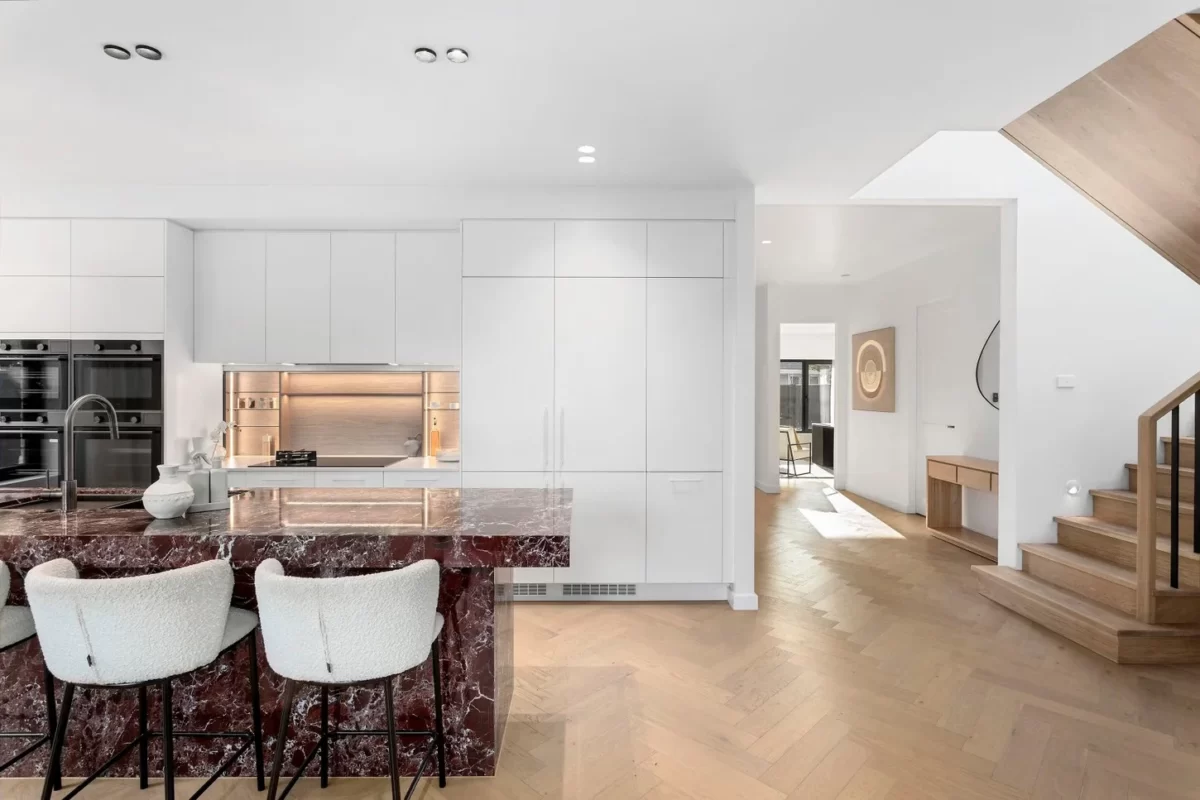
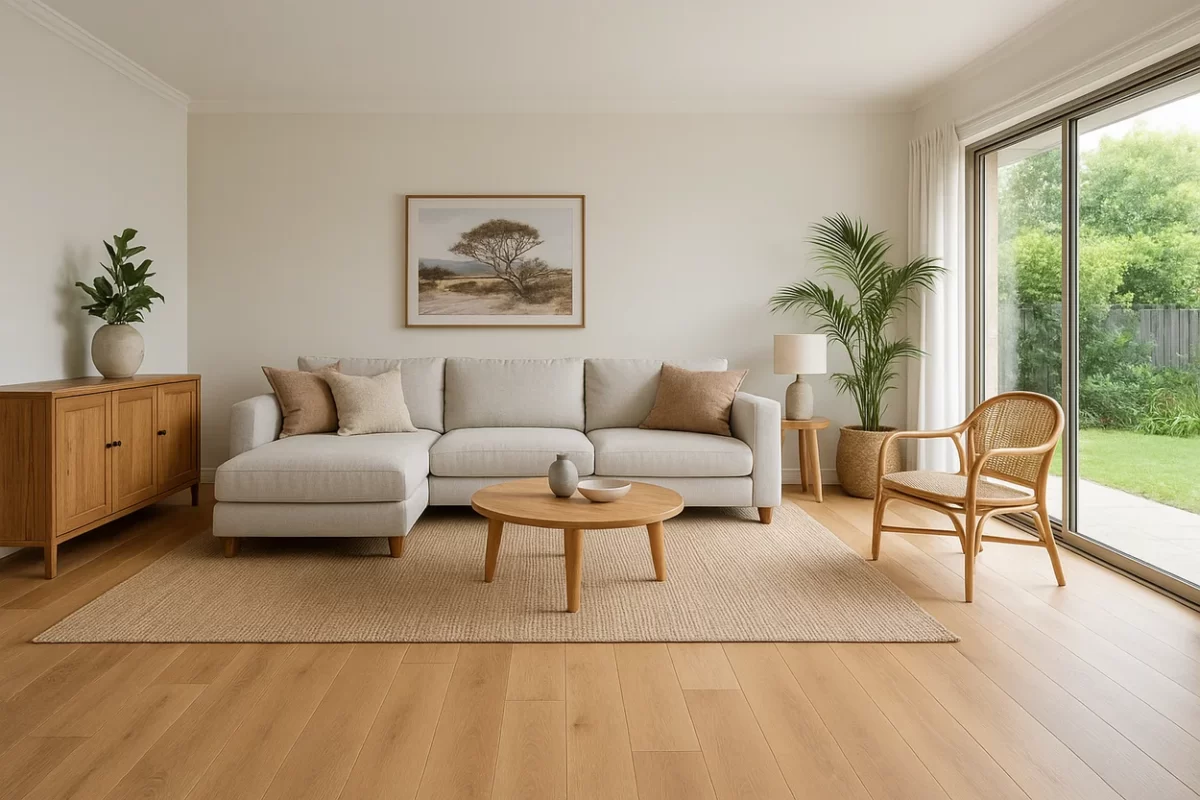
When it comes to selecting the best flooring options for hallways and high-traffic areas, durability, style, and practicality need to work together. Hallways, entryways, and busy corridors cop the brunt of daily foot traffic, from muddy shoes and pet paws to dropped bags and dragged furniture. Choosing the right flooring isn’t just about looks—it’s about finding a surface that can handle the realities of everyday living while keeping your Gold Coast home looking sharp for years to come.
At Award Carpets Gold Coast, we’ve been helping families and businesses choose flooring that works as hard as they do for over 30 years. Whether you’re renovating a family home, updating a rental property, or fitting out a commercial space, understanding which flooring materials perform best in high-traffic zones will save you time, money, and frustration down the track.
What Makes Flooring Ideal for High-Traffic Areas?
Not all flooring is created equal. While some materials shine in low-use spaces like bedrooms, they’ll quickly show wear and tear in busy hallways. The best flooring for high-traffic areas needs to tick several boxes: it should be tough, easy to maintain, and safe underfoot—without compromising on style.
Durability and Wear Resistance
The number one priority for hallway flooring is durability. High-traffic zones need materials that can withstand constant footfall, scuffs, scratches, and the occasional knock from furniture or heavy objects. Look for flooring with high abrasion resistance ratings and hardness scores that indicate long-term performance.
For example, porcelain tiles and luxury vinyl planks are engineered specifically to resist surface damage, while hybrid flooring features rigid core construction that prevents denting and warping. Timber flooring can also perform well in hallways, but engineered options generally offer better stability than solid wood in busy areas.
Materials like soft carpet or low-grade laminate might seem appealing initially, but they’ll mat down, fade, or show traffic patterns much faster in hallways compared to bedrooms or studies.
Ease of Maintenance
Hallways are dirt magnets. They’re the first place sandy feet, muddy paws, and outdoor grit land when you walk inside. That’s why easy cleaning is non-negotiable for high-traffic flooring. The best options can be swept, vacuumed, or mopped quickly without special treatments or constant upkeep.
Stain resistance matters too, especially for families with kids and pets. Spills, accidents, and tracked-in messes are inevitable, so flooring that repels moisture and wipes clean is a game-changer. Luxury vinyl, hybrid flooring, and tiles excel here, while carpet requires more regular deep cleaning to stay fresh.
Long-term care is another consideration. Some flooring types need refinishing, sealing, or replacement over time. Choosing low-maintenance options means less hassle and lower costs as the years go by.
Safety and Comfort
Safety is critical in hallways, where quick movements, wet shoes, and low lighting can increase the risk of slips and falls. Flooring with good slip resistance—especially in entryways and areas prone to moisture—provides peace of mind for families with young kids and elderly residents.
Noise reduction is often overlooked but makes a big difference in multi-story homes or shared living spaces. Hard surfaces like tiles can amplify footsteps, while softer options like carpet, vinyl, and hybrid flooring absorb sound and create a quieter environment.
Underfoot comfort also plays a role. While tiles and timber offer a firm, cool surface, vinyl and carpet provide a softer, warmer feel that’s more comfortable for standing and walking—especially during those chilly Gold Coast winter mornings.
Best Flooring Options for Hallways and High-Traffic Areas
Let’s break down the top flooring materials that perform brilliantly in hallways and high-traffic zones. Each option has its strengths, so the right choice depends on your lifestyle, budget, and design preferences.
Luxury Vinyl Plank (LVP)
Luxury vinyl planks are one of the most popular choices for high-traffic areas, and for good reason. Modern LVP combines the look of natural timber or stone with serious durability and water resistance. It’s scratch-resistant, making it ideal for homes with kids, pets, and plenty of daily activity.
Unlike traditional vinyl sheets, luxury vinyl planks come in individual pieces that mimic the appearance of real wood or tile, giving you a high-end look without the high-end price. The wear layer on top protects against scuffs and stains, while the waterproof core means spills and moisture are no problem at all.
For Gold Coast families dealing with sandy feet, humidity, and the occasional wet day, LVP is a low-fuss solution that looks good year after year. It’s also soft underfoot and quieter than tiles, making it comfortable for everyday use.
Hybrid Flooring
Hybrid flooring is the new kid on the block, and it’s quickly becoming a favourite for busy households. It combines the best features of laminate and vinyl, with a rigid core construction that provides exceptional stability and durability. Hybrid floors are waterproof, scratch-resistant, and dent-resistant—perfect for hallways that see constant traffic.
The stone plastic composite (SPC) or wood plastic composite (WPC) core gives hybrid flooring its strength, meaning it won’t warp or buckle even in humid conditions or areas with temperature fluctuations. It’s also incredibly easy to install using click-lock systems, which can save on installation costs if you’re handy with DIY projects.
Best use cases for hybrid flooring include family homes with pets, rental properties and Airbnbs that need tough and affordable updates, and any space where durability and water resistance are top priorities. It handles everything from dropped toys to spilled coffee without breaking a sweat.
Laminate Flooring
Laminate flooring offers a realistic timber look at a fraction of the cost of solid hardwood. It’s made from compressed wood fibre topped with a photographic layer and a protective coating, giving you the warmth and style of natural wood without the upkeep.
In high-traffic areas, laminate performs well thanks to its hard-wearing surface and resistance to scratches and fading. It’s easy to clean and doesn’t require polishing or sealing like timber does. However, there are some trade-offs. Laminate isn’t waterproof, so it’s not ideal for entryways or hallways prone to moisture. Spills need to be wiped up quickly to avoid swelling or damage at the seams.
The affordability of laminate makes it a great choice for budget-conscious renovations, investment properties, or homes where you want the look of timber without the price tag. Just be sure to choose higher AC ratings (4 or 5) for hallways and high-traffic zones to ensure long-lasting performance.
Porcelain and Ceramic Tiles
For unmatched durability and moisture resistance, porcelain and ceramic tiles are hard to beat. These materials are virtually indestructible and can handle everything from heavy furniture to constant foot traffic without showing wear. They’re also 100% waterproof, making them the top choice for entryways, mudrooms, and heavily used hallways.
Porcelain tiles are denser and more durable than ceramic, making them the better option for high-traffic areas. They come in a huge range of styles, from sleek modern finishes to natural stone looks, so you can match any design aesthetic.
The main considerations with tiles are comfort and temperature. They’re cool underfoot, which is great in summer but less cosy in winter unless you install underfloor heating. They’re also harder and noisier than softer flooring options. Adding rugs or runners can help with comfort and sound absorption in tiled hallways.
Engineered Timber Flooring
Engineered timber flooring gives you the natural beauty of real wood with improved stability and durability. Unlike solid timber, engineered timber features a thin layer of hardwood veneer over a plywood or composite core, making it less prone to warping and more suitable for varying humidity levels on the Gold Coast.
Engineered timber performs well in high-traffic areas when properly finished with a hard-wearing polyurethane or oil coating. It can be sanded and refinished if needed, giving it a long lifespan with proper care. It’s also available in a wide range of species, colours, and finishes to suit any interior style.
When to choose engineered wood over solid wood? Opt for engineered timber in hallways and entryways where temperature and moisture fluctuations are more common. It’s more dimensionally stable and less likely to expand, contract, or cup over time. Solid timber is better reserved for low-traffic areas or climate-controlled spaces.
Carpet Tiles
Modular carpet tiles offer a clever solution for hallways, especially in commercial settings or homes where easy replacement is a priority. Unlike broadloom carpet, carpet tiles can be installed in sections, meaning damaged or stained tiles can be swapped out individually without replacing the entire floor.
Carpet tiles come in a variety of styles, from neutral plains to bold patterns, and they’re designed to withstand heavy foot traffic. Look for options with dense, low-pile construction and stain-resistant treatments for the best performance in hallways.
They’re particularly popular in office corridors, apartment buildings, and busy family homes where comfort and sound absorption are valued. The modular design also makes installation quicker and more flexible, allowing for creative layouts and easy access to underfloor services.
Best Flooring Choices by Space Type
Different hallways have different needs. The flooring that works brilliantly in a quiet internal corridor might not hold up in a front entryway. Here’s how to match flooring to specific high-traffic zones in your home or business.
Entryways and Front Hallways
Front entryways are the hardest working spaces in any home. They cop rain, mud, sand, dirt, and grit on a daily basis, especially here on the Gold Coast where outdoor living is part of the lifestyle. Flooring in this zone needs serious moisture and dirt resistance, plus the ability to be cleaned quickly and easily.
Porcelain tiles are the gold standard for entryways. They’re waterproof, incredibly durable, and can be mopped or hosed down without worry. Luxury vinyl planks and hybrid flooring are also excellent choices, offering water resistance and easy maintenance with a softer, warmer feel underfoot.
Avoid carpet in front entryways—it traps dirt, absorbs moisture, and shows stains quickly. Laminate isn’t ideal either due to its vulnerability to water damage. Stick with fully waterproof options that can handle whatever gets dragged through the door.
Living Room Hallway Connections
Internal hallways that connect living areas need to balance durability with style consistency. If your living room has timber or timber-look flooring, extending the same material into the hallway creates a seamless, spacious feel throughout your home.
Sound insulation becomes more important in these areas, especially in two-story homes where footsteps can echo through the house. Hybrid flooring, engineered timber, and luxury vinyl all provide good acoustic performance while maintaining a cohesive design.
These hallways typically experience less moisture exposure than entryways, so your material options open up. Focus on scratch resistance and ease of cleaning, especially if you have pets or kids running through regularly.
Commercial and Office Corridors
Commercial spaces demand flooring that can withstand extreme levels of foot traffic without showing wear. Office corridors, retail hallways, and public buildings need commercial-grade materials with high durability ratings and low maintenance requirements.
Carpet tiles are a popular choice for offices, offering sound absorption, comfort, and easy section replacement when needed. Luxury vinyl planks with heavy-duty wear layers also perform exceptionally well in commercial settings, providing a stylish, low-maintenance solution.
Porcelain tiles work brilliantly in high-traffic commercial zones like shopping centres and medical facilities where hygiene and durability are critical. Whatever you choose, make sure it meets commercial grade standards and comes with appropriate slip resistance ratings for public safety.
Flooring Mistakes to Avoid in High-Traffic Areas
Even the best flooring can fail if you make poor choices during selection or installation. Here are the most common mistakes to avoid when flooring hallways and high-traffic zones.
Choosing Soft or Delicate Materials
It’s tempting to choose flooring based purely on looks or comfort, but delicate materials simply won’t hold up in busy hallways. Soft carpet with high pile, thin vinyl sheets, and low-grade laminate will show wear, matting, and damage quickly under constant foot traffic.
Solid timber, while beautiful, can also be too soft for hallways unless it’s a very hard species like spotted gum or ironbark. Softer timbers like pine or Baltic pine will dent and scratch easily, leading to an aged, worn appearance much sooner than you’d like.
Choose materials specifically rated for high-traffic use. Look for wear ratings, hardness scores, and durability certifications that confirm the flooring can handle the job.
Ignoring Moisture and Dirt Exposure
Hallways, especially those near external doors, are exposed to moisture, dirt, sand, and spills regularly. Ignoring this reality when choosing flooring is a recipe for damage and costly replacements.
Materials like laminate and bamboo flooring can be damaged by moisture, making them poor choices for entryways and front hallways. Similarly, unsealed timber can stain and warp when exposed to water. Always consider the specific moisture challenges of each space and choose flooring that’s up to the task.
If you love the look of timber but need water resistance, opt for luxury vinyl planks or hybrid flooring that mimics wood grain. You’ll get the aesthetic without the worry.
Overlooking Subfloor Preparation
Even the toughest flooring will fail if it’s installed over a poorly prepared subfloor. Uneven surfaces, moisture issues, and structural problems need to be addressed before installation, or you’ll end up with creaking, cracking, or premature wear.
Professional floor installers will check for levelness, moisture levels, and structural soundness before laying your new floor. Skipping this step—especially in DIY installations—can lead to expensive problems down the track. Invest in proper subfloor prep from the start to protect your investment.
How to Maintain Flooring in High-Traffic Areas
Proper maintenance extends the life of your hallway flooring and keeps it looking fresh for years. The good news? Most modern flooring options require minimal effort to stay in top condition.
Daily and Weekly Care Tips
Regular cleaning is the simplest way to prevent damage and maintain appearance. Sweep or vacuum hallways daily to remove dirt, sand, and grit that can scratch or dull the surface. These abrasive particles act like sandpaper underfoot, wearing down protective coatings over time.
For hard surfaces like vinyl, hybrid, and tiles, a weekly damp mop with a pH-neutral cleaner keeps floors spotless without leaving residue. Avoid harsh chemicals, abrasive scrubbers, and excessive water, especially on laminate and timber floors.
Carpet hallways benefit from weekly vacuuming and occasional spot cleaning for spills and stains. Deep cleaning every 6 to 12 months will remove embedded dirt and refresh the fibres.
Protective Measures
Prevention is better than cure. Placing durable entrance mats at doorways traps dirt and moisture before it reaches your hallway flooring. Choose mats with non-slip backing and clean them regularly to maintain effectiveness.
Runners and hallway rugs add an extra layer of protection in high-traffic zones while contributing to your home’s style. They’re especially useful over hard surfaces to reduce noise and add comfort underfoot.
Furniture pads under chairs, tables, and heavy objects prevent scratches and dents on all flooring types. Felt pads work well on timber and vinyl, while rubber protectors suit tiles and harder surfaces. Replace pads regularly as they wear down or collect grit.
How to Choose the Right Flooring for Your Home
With so many options available, narrowing down the best flooring for your hallway comes down to understanding your lifestyle, budget, and long-term goals.
Matching Flooring to Lifestyle
Your household’s daily routine should guide your flooring choice. Families with kids and pets need materials that can handle spills, scratches, and constant activity. Luxury vinyl, hybrid flooring, and tiles are top performers in these environments.
If you live alone or in a quieter household, you have more flexibility. Engineered timber, laminate, and even carpet might suit your needs perfectly. Consider foot traffic levels honestly—a busy family hallway requires different flooring than a rarely used guest corridor.
Location matters too. Gold Coast homes face unique challenges like humidity, sandy conditions, and occasional wet weather. Choose flooring that handles moisture and is easy to clean, especially in entryways and outdoor-facing hallways.
Budget vs Longevity
Upfront costs are important, but long-term value matters more. Cheap flooring that needs replacing in five years costs more than quality flooring that lasts twenty years with minimal maintenance.
Laminate and vinyl offer excellent bang for your buck, delivering durability and style at affordable prices. Tiles and engineered timber cost more initially but can last decades with proper care, making them smart investments for long-term homeowners.
Consider installation costs too. Some flooring types require professional installation, while others are DIY-friendly. Factor in the total cost—materials, installation, and ongoing maintenance—to get a true picture of value.
Why Professional Installation Matters
While some flooring can be installed DIY, professional installation ensures your investment performs as intended and lasts as long as possible.
Benefits of Expert Installation
Professional installers bring experience, precision, and the right tools to every job. They’ll assess your subfloor, make necessary repairs, and install your flooring according to manufacturer specifications. This matters because improper installation can void warranties and lead to premature failure.
Experts also work faster and with less waste than DIY attempts. They know how to handle tricky cuts, transitions between rooms, and challenging layouts. The result is a flawless finish that looks professional and performs reliably for years.
Professional installation often includes guarantees and after-sales support. If something goes wrong, you have recourse—something you don’t get with a DIY job.
Common DIY Installation Risks
DIY installation can save money, but it comes with risks. Without proper tools and experience, it’s easy to make mistakes that affect the floor’s performance and appearance. Common issues include uneven gaps, poor transitions, incorrect underlayment, and improper acclimatisation of materials.
Moisture-related problems are particularly common in DIY installations. Failing to test subfloor moisture levels or install vapour barriers can lead to warping, mould, and complete floor failure—an expensive mistake that erases any initial savings.
If you’re confident with tools and have researched thoroughly, some flooring types like vinyl planks and carpet tiles are DIY-friendly. But for complex installations, large areas, or expensive materials, professional help is worth the investment.
Why Choose Award Carpets for High-Traffic Flooring
When it comes to flooring that works hard and looks great, Award Carpets Gold Coast has you covered. We’ve been helping locals find the perfect floors for over 30 years, and we know what works in high-traffic areas.
Wide Range of Durable Flooring Options
We stock a comprehensive range of flooring materials specifically suited to busy hallways and high-traffic zones. From luxury vinyl planks and hybrid flooring to engineered timber, and commercial-grade carpet, we carry leading Australian brands plus unique boutique lines you won’t find anywhere else.
Whether you’re after the natural warmth of timber, the practicality of waterproof vinyl, or the durability of porcelain tiles, our showroom has options to suit every style, budget, and performance need.
Expert Advice and Professional Installation
Our team brings decades of experience to every project. We’ll help you choose flooring that suits your lifestyle, answer all your questions, and provide honest advice about what will work best in your space. No pressure, no sales gimmicks—just straightforward guidance from people who genuinely care about getting it right.
Our professional installation team ensures your flooring is fitted to the highest standards, with proper subfloor preparation, precision cutting, and attention to detail. We stand behind our work with solid guarantees and ongoing support.
Local Australian Flooring Specialists
As an independent family-run business on the Gold Coast, we understand the local conditions and challenges that affect flooring performance. We know about humidity, sandy conditions, and coastal living, and we recommend materials that stand up to our unique climate.
We’re here for the long haul. When you choose Award Carpets, you’re supporting a local business that’s invested in the community and committed to delivering the lowest prices possible without cutting corners on quality or service.
FAQs About Flooring for High-Traffic Areas
What is the most durable flooring for hallways?
Porcelain tiles are the most durable option for hallways, offering exceptional wear resistance and virtually indestructible performance. Luxury vinyl planks and hybrid flooring are close seconds, providing excellent durability with added comfort and water resistance. For a natural look, engineered timber with a hard-wearing finish also performs well in high-traffic areas.
Is carpet suitable for high-traffic areas?
Carpet can work in high-traffic areas if you choose the right type. Low-pile, dense carpet with stain-resistant treatments performs better than soft, high-pile options. Carpet tiles are particularly suitable for hallways because damaged sections can be replaced individually. However, carpet requires more maintenance than hard surfaces and isn’t ideal for areas exposed to moisture and dirt.
What flooring is easiest to maintain?
Luxury vinyl planks and hybrid flooring are the easiest to maintain in hallways. They’re waterproof, scratch-resistant, and can be cleaned with simple sweeping and damp mopping. Porcelain tiles are also low-maintenance, requiring only regular mopping to stay clean. These options don’t need special treatments, sealing, or refinishing like timber floors do.
How long does high-traffic flooring last?
Lifespan depends on the material and quality. Porcelain tiles can last 50+ years with minimal wear. Luxury vinyl and hybrid flooring typically last 15 to 25 years in high-traffic areas. Engineered timber can last 20 to 30 years, especially if refinished once or twice. Carpet generally needs replacing every 5 to 15 years depending on quality and foot traffic levels. Proper maintenance extends the life of all flooring types.
Transform Your Hallways with Award Carpets Gold Coast
Your hallways work harder than any other space in your home, connecting rooms, welcoming guests, and handling the daily rush of family life. They deserve flooring that’s tough enough to keep up while looking stylish year after year.
At Award Carpets Gold Coast, we’re passionate about helping you find flooring that ticks every box—durable, beautiful, practical, and perfectly suited to your lifestyle. With over 30 years of experience, a massive range of quality products, and expert installation services, we make choosing and fitting high-traffic flooring simple and stress-free.
Come and visit our showroom to see our full range in person, feel the quality underfoot, and chat with our friendly team about what will work best in your space. Or shop online and book your free quote today. We’re here to help you create hallways that look great and stand the test of time.