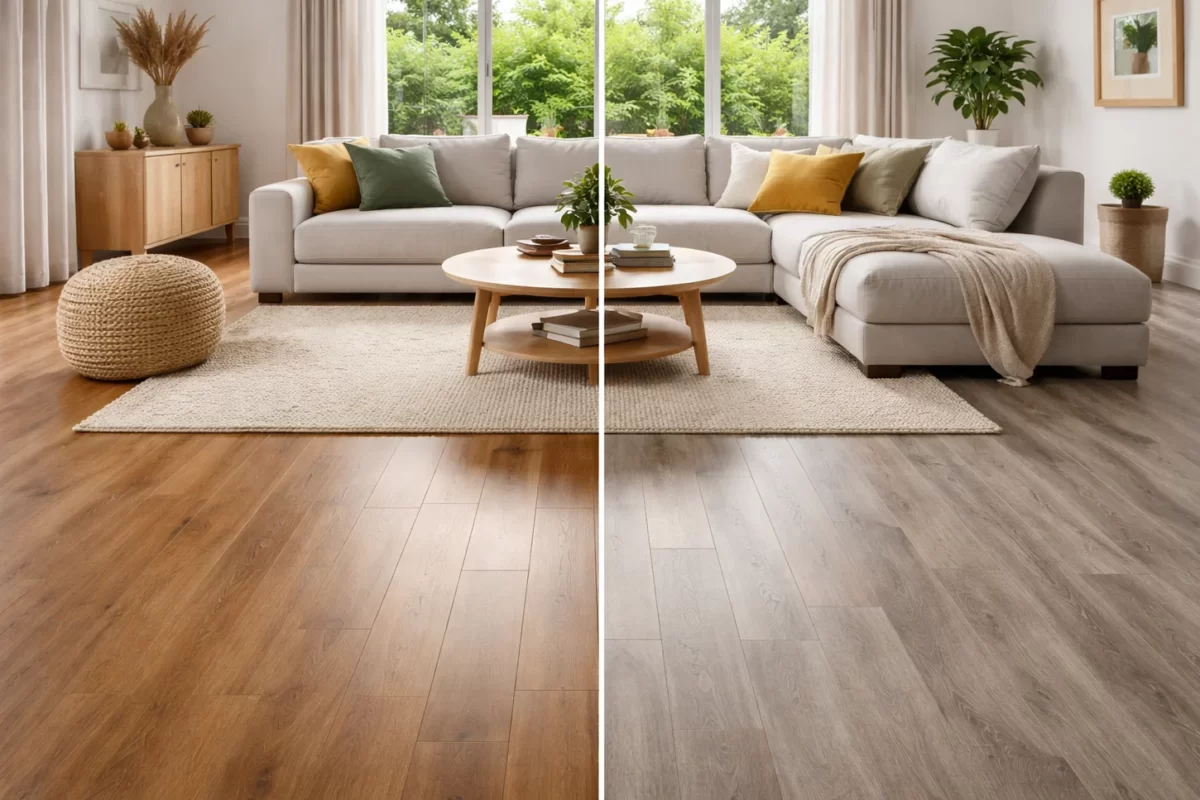
Best Flooring Options for Stairs and Landing

Best flooring options for stairs and landings start with understanding safety, durability and style — three priorities every Gold Coast homeowner should balance when choosing materials for staircases and landings. This guide walks you through key factors to consider, compares the top flooring materials, and gives practical installation and maintenance tips tailored to busy family homes on the Gold Coast.
Stair and Landing Flooring
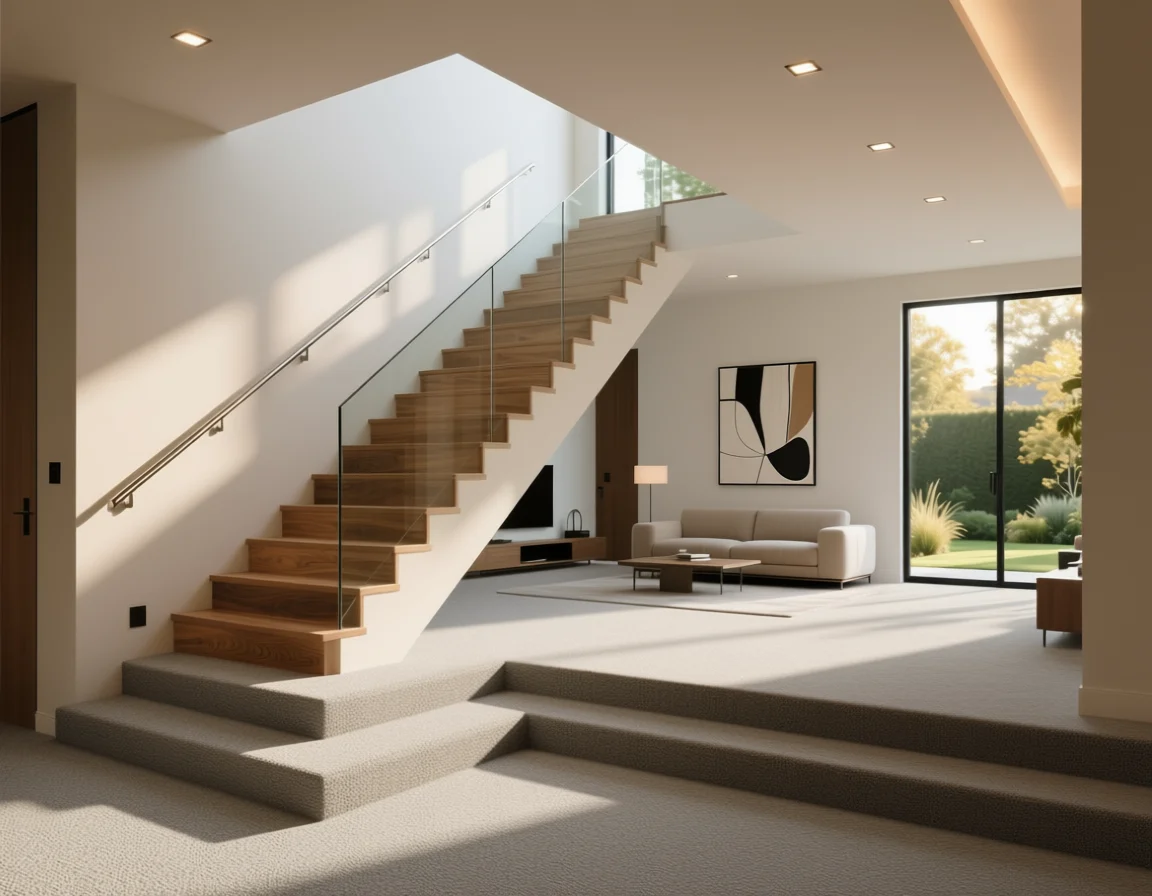
Stairs and landings are transition spaces that receive heavy foot traffic, present safety challenges, and act as focal points in your interior design. Whether you’re refreshing a Queenslander with character, renovating a modern new build, or fitting out a rental property, the right stair and landing flooring can improve safety, enhance resale value and tie the whole home together. In this article we cover carpet, hardwood, engineered wood, laminate, luxury vinyl tiles (LVT), hybrid flooring and more — and we explain how to select a material that matches your lifestyle, budget and climate.
Key Factors to Consider Before Choosing Flooring
Before you choose a flooring material for stairs and landing, think about these critical factors.
Safety and Slip Resistance
- Stairs need traction. Anti-slip finishes, textured surfaces, and stair nosing are essential to reduce slips.
- Families with children or elderly members should prioritise materials that provide grip and a forgiving surface underfoot.
Durability and Longevity
- Stairs experience concentrated wear — the tread of each stair receives repeated impact and abrasion.
- Consider materials that resist wear, scratching and moisture. Some materials can be refinished (hardwood), while others are replaceable panels (laminate, LVT).
Noise Reduction and Comfort
- Stairs and landings transmit impact sound through the floors below. Carpet and padded underlays reduce noise best; hard surfaces benefit from quality underlayment to improve acoustics.
- If your home is multi-level or you live in a busy household, acoustic performance is a major consideration.
Aesthetic Appeal and Design
- Stairs are a visual focal point — choose a finish and colour that complements your interior.
- Timber provides a timeless, warm look; LVT and laminate mimic timber or stone affordably; carpet offers texture and softness.
Budget and Maintenance
- Factor both upfront cost (material + labour) and lifetime maintenance (cleaning, refinishing, repairs).
- Busy Gold Coast homes often prefer low-maintenance options such as vinyl or engineered wood with durable coatings.
Best Flooring Options for Stairs and Landing
Below we look at each popular option, with pros and cons and practical notes for installation and care.
Carpet Flooring for Stairs and Landing
Carpet remains a top choice for stairs because it offers safety (slip resistance), sound absorption, and comfort.
Pros of Carpet
- Excellent sound absorption and warmth underfoot.
- Reduces risk of injury from falls (softer landing).
- Wide variety of colours, textures and pile heights to suit design and budget.
- Can be combined with underlay for extra comfort.
Cons of Carpet
- Requires regular vacuuming and occasional deep cleaning.
- Can show wear on high-traffic stair noses over time.
- May trap allergens and can be less suitable for homes with pets prone to shedding.
- Some pile types can be slippery when worn if nosing and grip strips are not installed.
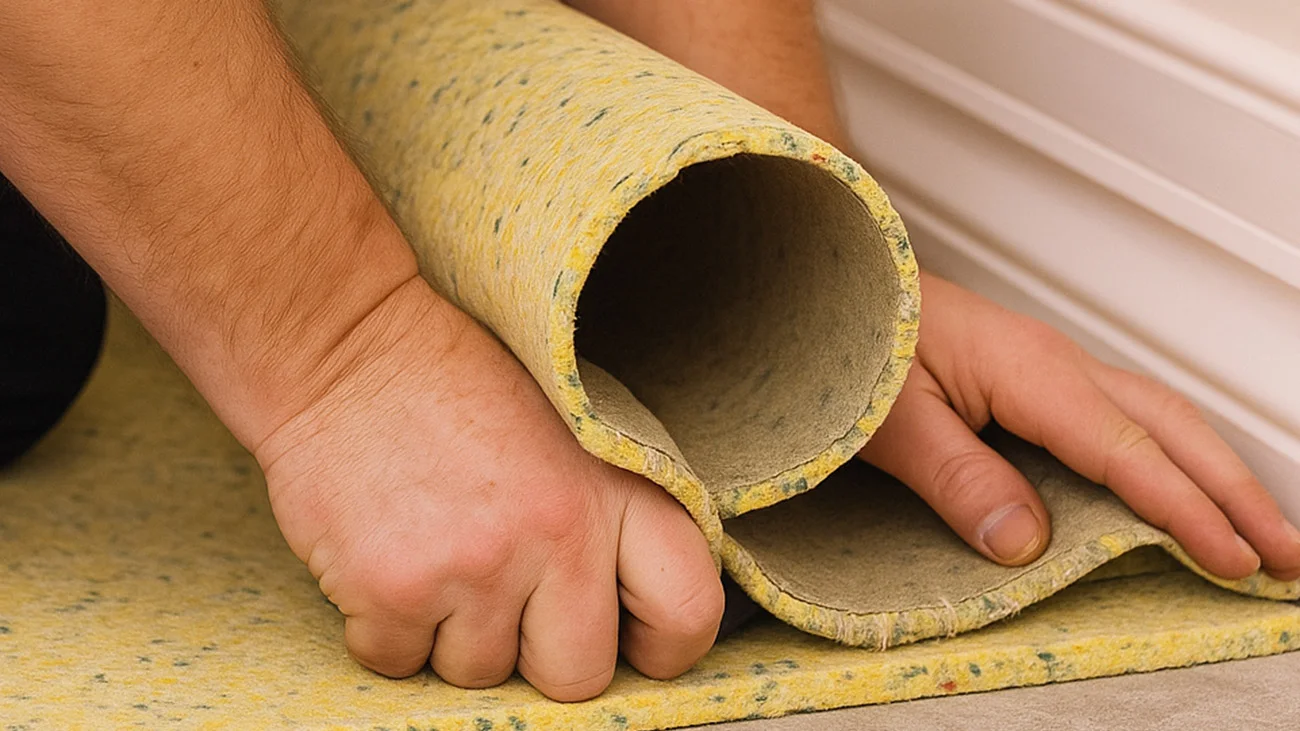
Installation tips: Use stair-specific carpet installation techniques with proper stair nosing and secure adhesive/tack strips to reduce wear and ensure safety. Padding should be durable and specifically rated for stairs.
Hardwood Flooring for Stairs and Landing
Hardwood provides a premium, timeless look and adds resale value, but it comes with trade-offs.
Pros of Hardwood
- Timeless, high-end aesthetic and excellent resale appeal.
- Can be refinished multiple times if scratched or worn.
- Durable when properly sealed and maintained.
Cons of Hardwood
- Prone to scratching and can be noisy without underlayment or runners.
- Can be slippery — textured finishes or anti-slip treatments may be needed.
- More expensive upfront for both material and professional installation.
- May be affected by humidity — consider engineered wood in coastal climates.
Laminate Flooring for Stairs and Landing
Laminate is a cost-effective alternative that mimics timber or stone surfaces.
Pros of Laminate
- Cost-effective and available in many styles, including timber-look.
- Scratch-resistant finishes on many modern laminates.
- Easier to install as floating floors and often quicker to replace a damaged plank.
Cons of Laminate
- Can sound hollow or noisy; underlayment is necessary for acoustic comfort.
- Moisture can cause swelling — not ideal for very humid or wet environments unless you choose water-resistant laminate.
- Harder to repair (planks usually replaced rather than refinished).
Vinyl Flooring for Stairs and Landing
Vinyl — especially luxury vinyl tile/plank (LVT/LVP) — is a practical, low-maintenance choice for busy Gold Coast homes.
Pros of Vinyl
- Highly water-resistant and low maintenance — great for high-traffic and sandy beachside homes.
- Wide range of timber-look and stone-look styles at affordable prices.
- Softer and quieter underfoot than many hard surfaces.
- DIY-friendly installations available, or professional fitting for complex staircases.
Cons of Vinyl
- Some vinyl can be thin and may show wear over time — invest in a thicker wear layer for stairs.
- Edges and nosing must be carefully detailed for durability and safety.
Hybrid Flooring for Stairs and Landing
Hybrid flooring combines a robust core with a realistic wear layer — a hybrid of laminate and vinyl performance.
Pros of Hybrid Flooring
- Water-resistant and dimensionally stable — suited to coastal humidity.
- Looks like real timber with greater durability than standard laminate.
- Often quieter and more comfortable underfoot than laminate.
Cons of Hybrid Flooring
- Can be pricier than standard laminate or vinyl.
- Proper stair nosing and installation are essential to avoid edge-lift.
Engineered Wood Flooring
Engineered wood uses a real timber veneer over a plywood or HDF core — it gives the look of hardwood with improved stability.
Pros of Engineered Wood
- More stable than solid hardwood in humid climates.
- Can often be lightly sanded/refinished depending on veneer thickness.
- Real timber look and feel with fewer moisture-related risks.
Cons of Engineered Wood
- Veneer thickness limits how many times it can be sanded.
- More expensive than laminate or vinyl but usually less costly than thick solid hardwood.
- Still requires careful installation on stairs and correct stair nosing.
Comparison Table: Best Flooring for Stairs and Landing
| Flooring Type | Safety / Slip Resistance | Durability | Noise | Maintenance | Cost | Best for |
| Carpet | High (with pile & nosing) | Medium | Excellent | Regular vacuuming & deep cleaning | Low–Medium | Families, seniors, bedrooms |
| Hardwood (solid) | Medium (varies) | High (refinishable) | Medium–Loud | Regular maintenance, possible refinishing | High | High-end homes, resale-focused |
| Engineered Wood | Medium | High | Medium | Moderate | Medium–High | Coastal homes, timber look |
| Laminate | Medium | Medium | Medium–Loud | Easy cleaning; limited repairs | Low–Medium | Budget timber-look projects |
| Vinyl / LVT | Medium–High | High (with thick wear layer) | Quiet | Very low maintenance | Low–Medium | Busy households, kitchens, rentals |
| Hybrid | Medium–High | High | Quiet–Medium | Low | Medium–High | Humid climates, high-traffic homes |
Expert Recommendations Based on Home Type
- Busy family homes (Gold Coast coastal living): Vinyl (LVT) or hybrid for low maintenance, water resistance and durability. Consider textured planks and anti-slip nosing for sandy feet and wet conditions.
- Traditional/period homes: Solid hardwood or engineered wood can preserve aesthetic value and increase resale appeal. Carpet runners on stairs add comfort and safety.
- Rental properties / investment homes: Vinyl or laminate reduces upkeep costs and can be quickly replaced between tenancies.
- Homes with elderly occupants: Carpet or timber with anti-slip treatments and good lighting; add handrails and clear edge differentiation to reduce trip risk.
- High-end show homes: Solid hardwood with carefully detailed nosing and matching landing boards creates a premium look.
Installation Tips for Stair and Landing Flooring
- Prepare the subfloor: Leveling older stairs/landings is crucial for a professional finish. Inadequate preparation leads to squeaks, uneven wear and safety hazards.
- Use stair-specific components: Stair nosing, transition strips and proper adhesives ensure long-term performance. Transition strips maintain uniform seams between the landing and adjacent rooms.
- Follow building codes & safety requirements: Confirm local building codes and check your chosen material complies, especially for commercial stairs or rentals.
- Consider professional installation for complex geometry: Winders, curved stairs and unusual geometries require precise cutting and fitting — professional installers reduce waste and ensure a safe result.
- Edge visibility and marking: Use contrasting nosing or subtle contrast strips to help mark step edges and reduce missteps, particularly in low-light or for elderly household members.
- Underlayment & acoustic layer: For laminate, engineered or hardwood, choose an underlayment that improves sound-absorption and reduces impact noise.
Maintenance quick tips
- Carpet: Vacuum weekly; deep clean every 12–24 months depending on traffic.
- Hardwood / Engineered: Wipe spills immediately; avoid excessive water; periodic polishing if required.
- Laminate: Clean with recommended non-abrasive cleaners; avoid soaking.
- Vinyl / LVT: Sweep and mop with manufacturer-approved cleaners; very low maintenance.
- Hybrid: Follow manufacturer guidelines — typically easy to maintain with regular sweeping and occasional mopping.
Stair-specific accessories to consider
- Stair nosing and edge trims
- Non-slip tread strips or inserts
- Matching transition strips for landings
- Acoustic underlay or foam backing
- Handrails and newel post upgrades
FAQs about Best Flooring for Stairs and Landing
Q: What flooring is safest for stairs?
A: Carpet and textured vinyl typically offer the best slip resistance; for timber or laminate, anti-slip treatments and textured finishes plus proper nosing are recommended.
Q: Can I install the same flooring on stairs and landing?
A: Yes — using the same material creates visual continuity. Ensure the material and nosing are appropriate for stair treads. For practical reasons, many homeowners choose timber or LVT throughout transitional areas.
Q: Do I need special adhesives for stair installations?
A: Often yes — adhesives formulated for stair installation and high-traffic areas are recommended to ensure bonding and longevity.
Q: Can vinyl be used on stairs?
A: Yes — but select planks or tiles with a robust wear layer and ensure proper stair nosing and edge protection.
Q: How do I reduce noise from timber stairs?
A: Use underlayment where possible, carpet runners, or sound-dampening backing and ensure tight, professionally installed joints.
Making the Right Flooring Choice
Choosing the best flooring for stairs and landings is a balance of safety, durability, acoustic comfort, aesthetic appeal and budget. On the Gold Coast, where humidity, sandy feet and busy family life shape material performance, practical options like vinyl, hybrid and engineered wood often outperform traditional solid timber for low-maintenance living — while carpet remains unmatched for sound absorption and comfort in family homes.
If you’re renovating or building, consider visiting Award Carpets Gold Coast to view samples and discuss stair-specific solutions — we stock timber, laminate, vinyl and hybrid flooring suitable for stairs and landings, and our installation team can advise on stair nosing, adhesives and underlayment.